


The Fast Finish Long Run
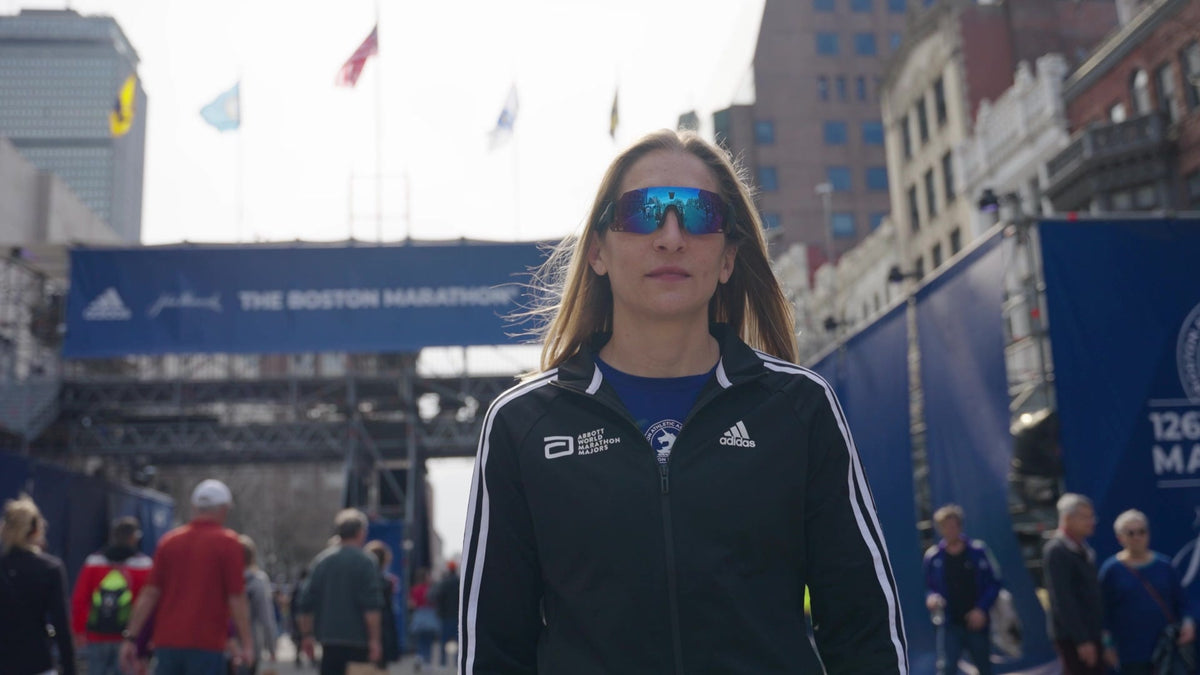

For runners seeking a PB or Boston Qualifying (BQ) time, training for pace specificity is vital.
If this sounds like you, then one of the best workouts to have in your arsenal is the fast finish long run.
The first portion of this session is performed at a comfortable aerobic pace to accumulate some muscle fatigue and partially deplete your glycogen stores. Then you slowly ramp up your pace so, by the middle third of the workout, you’re running at your target race pace. Finish your run with the last couple of miles performed at 90% effort… you really want to empty the tank!
Why It’s Valuable
The goal of the fast finish long run is to experience and adapt to the stress and speed of race conditions.
It also provides a valuable opportunity to dial-in your marathon nutrition, and practice other pre-race routines so they become second nature before your big event.
When to Do It
As you progress through your training plan, you continue to build fitness, strength and speed. At approximately 8 weeks out from race day, you can begin alternating a fast finish run with your weekly steady long run.
Aim to conduct two or three fast finish long runs during the last 8 weeks prior to your marathon.
How to Pace It
Let’s say you’re aiming to run a 3:20 marathon (the BQ standard for men ages 45 – 49). That means your average race pace must be 7:38 or better.
For that goal pace, a typical fast finish long run might look like this:
|
Mile |
Pace |
RPE |
|
0-10 |
8:15 – 8:30/mi |
Very easy |
|
11-16 |
7:35/mi |
Race pace |
|
17-18 |
7:00/mi |
Very fast |
|
Last 400m |
Maximum! |
Very, very fast |
Make no mistake: this session is as challenging as it is valuable. You must be well-rested and mentally prepared for this workout. And you need to know your performance, in real-time, and without distraction or breaking stride, in order to execute to its fullest potential.
Avoid the Most Common Mistake
The design of the fast finish long run is deceptively simple, but tricky to properly execute.
To derive maximum ROI from this workout, you must precisely manage the prescribed variations in pace. Many athletes – especially those new to this format – run the first phase of the workout too quickly, nullifying the benefits of the session.
In the above example, the first 10 miles must be run easily (in fact, it’s common for these miles to feel too slow). Don’t worry, they’re simply the appetizer for the main course to come… it’ll get tougher soon!
It’s also common for runners to lose all sense of pace in the late stages of the session due to their accumulated physical stress, resulting in total pacing guesswork in the final miles.
The ENGO Advantage
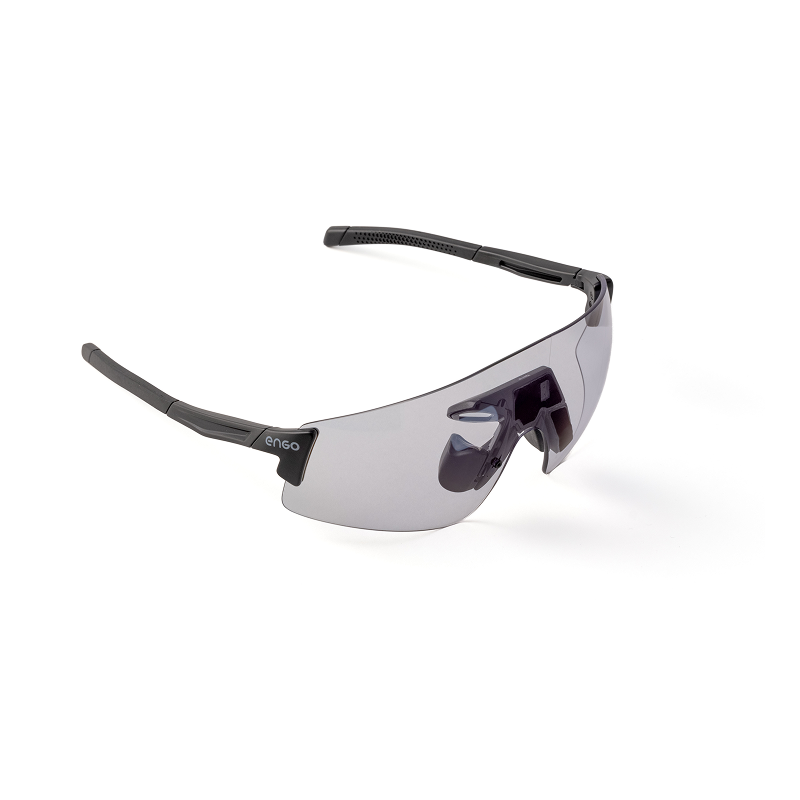
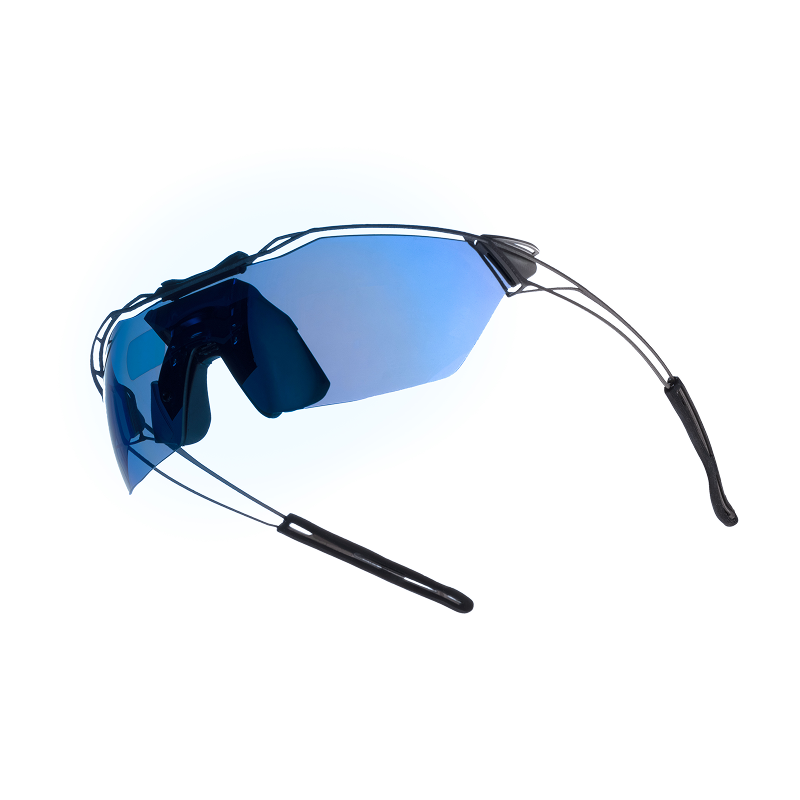
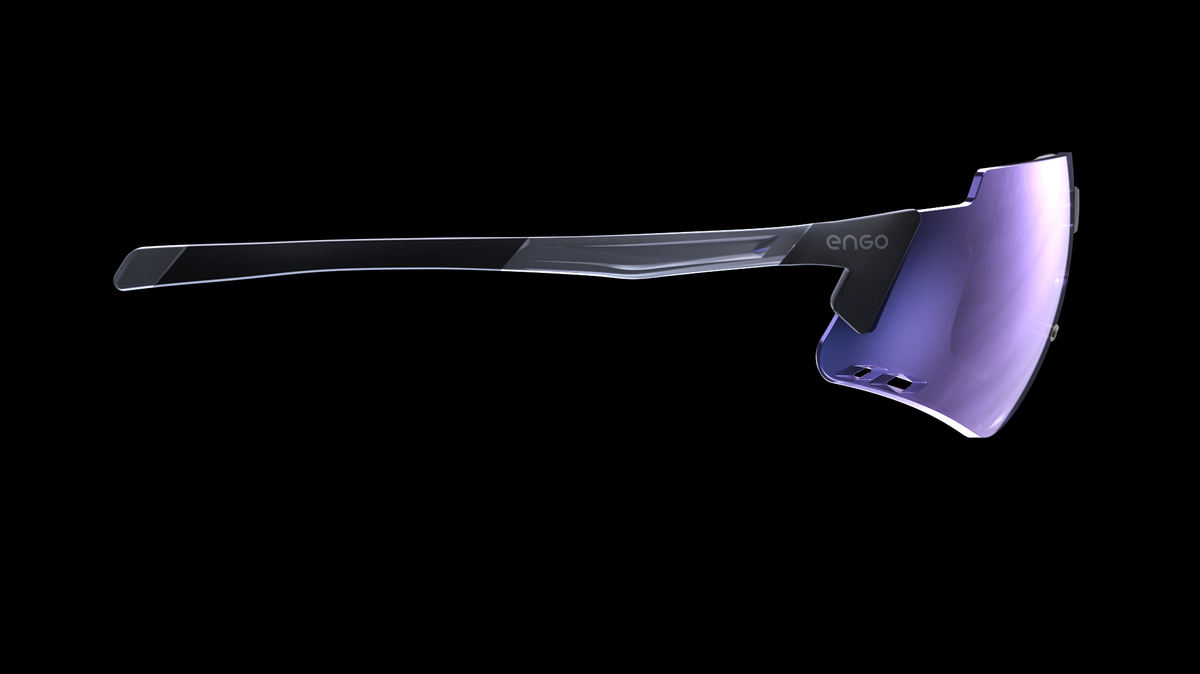
This is where ENGO Eyewear comes in. By having the real-time display of your pace, heart rate and cumulative distance visible in your field-of-view, you’re able to precisely govern your efforts throughout the entirety of this critical workout at a glance.
ENGO Eyewear eliminates the need to disrupt your biomechanics by turning your arm to look at your watch, and provides assurance that you’re executing your workout according to plan.
To become a faster, more efficient marathoner you must flawlessly execute your critical workouts. Use ENGO Eyewear to shift your workout analysis from only post-activity review to in-activity awareness. ENGO provides a new way to use data to gain a competitive advantage and help you achieve your goals.
Discover engo3
Everything runners ask, answered.
Will I even notice a difference?
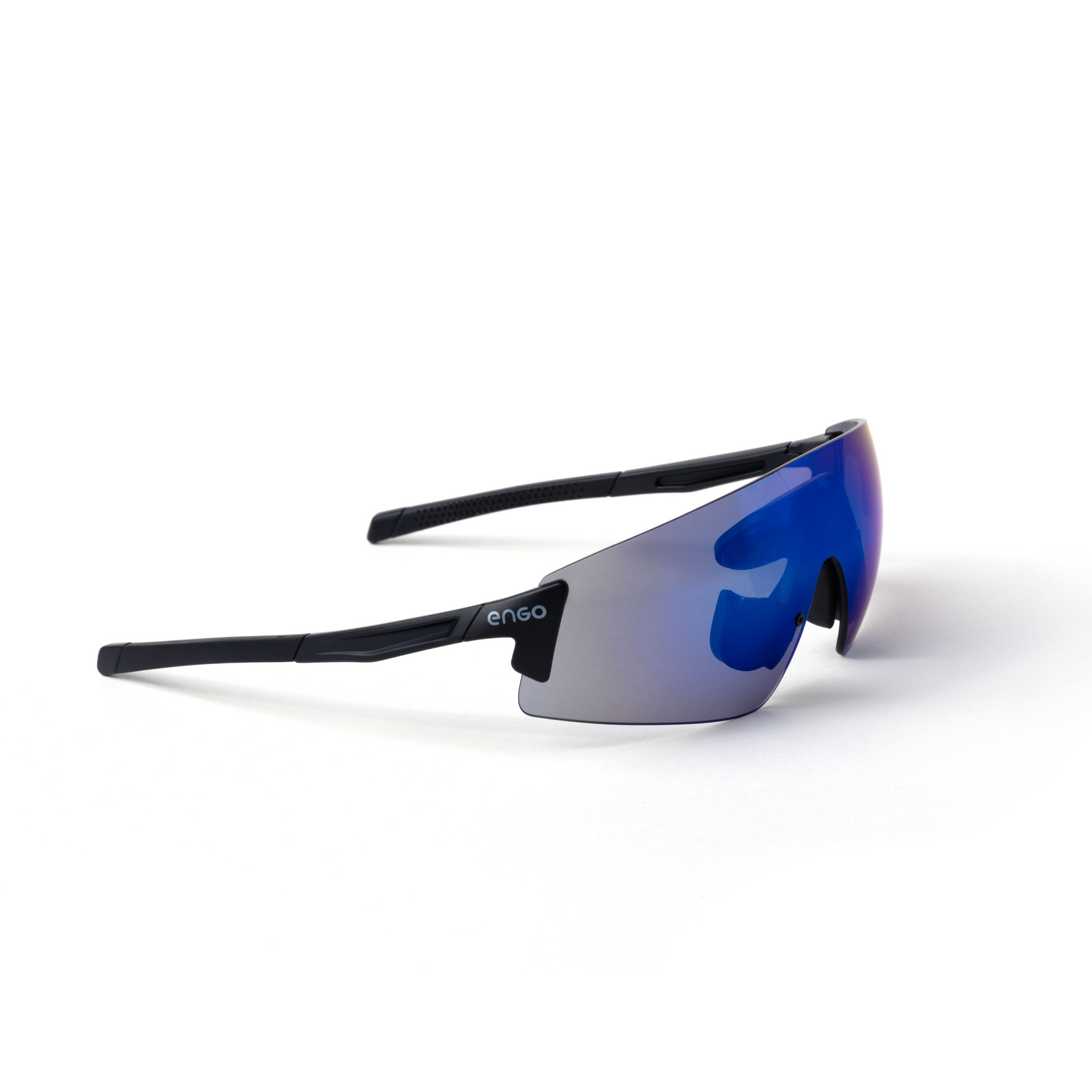
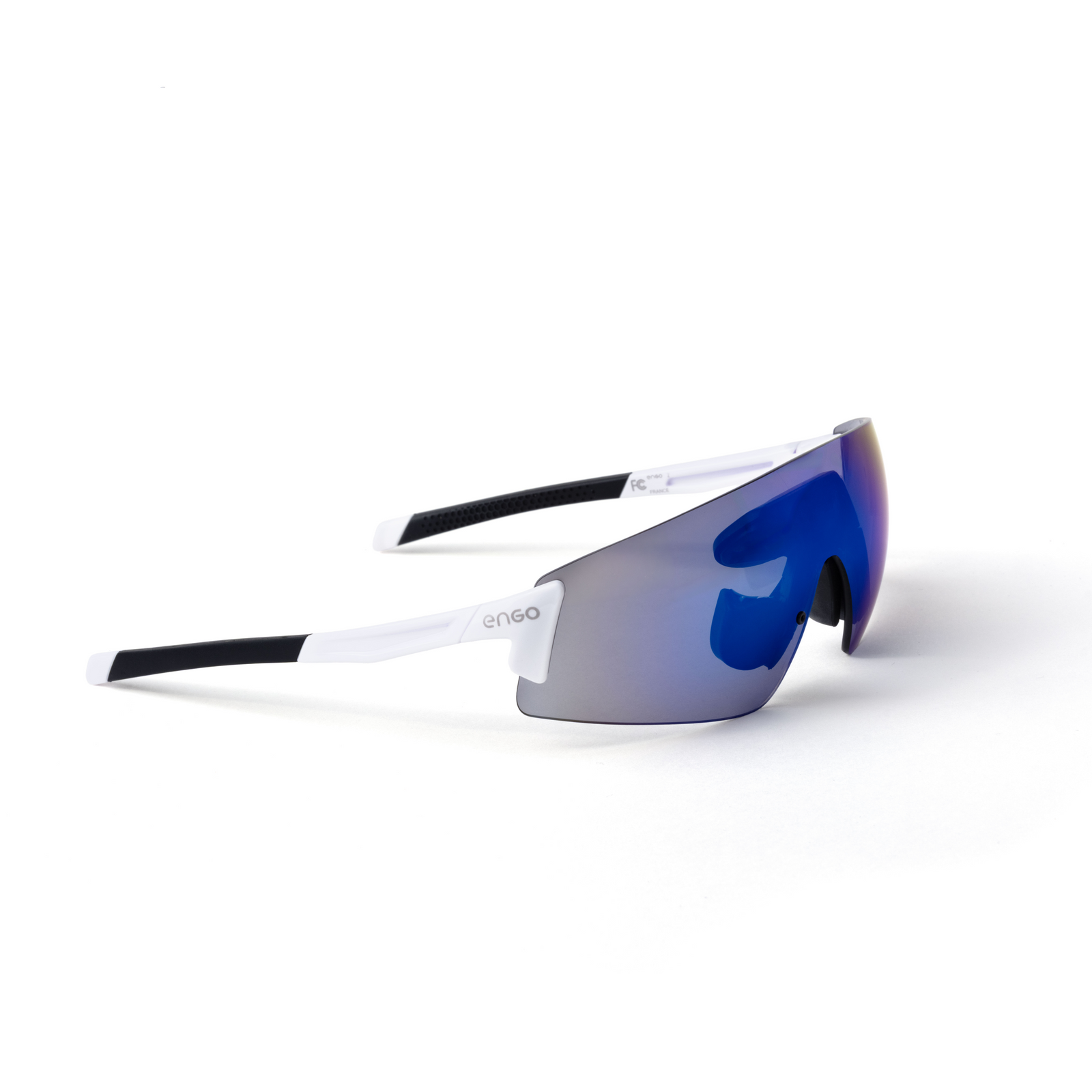
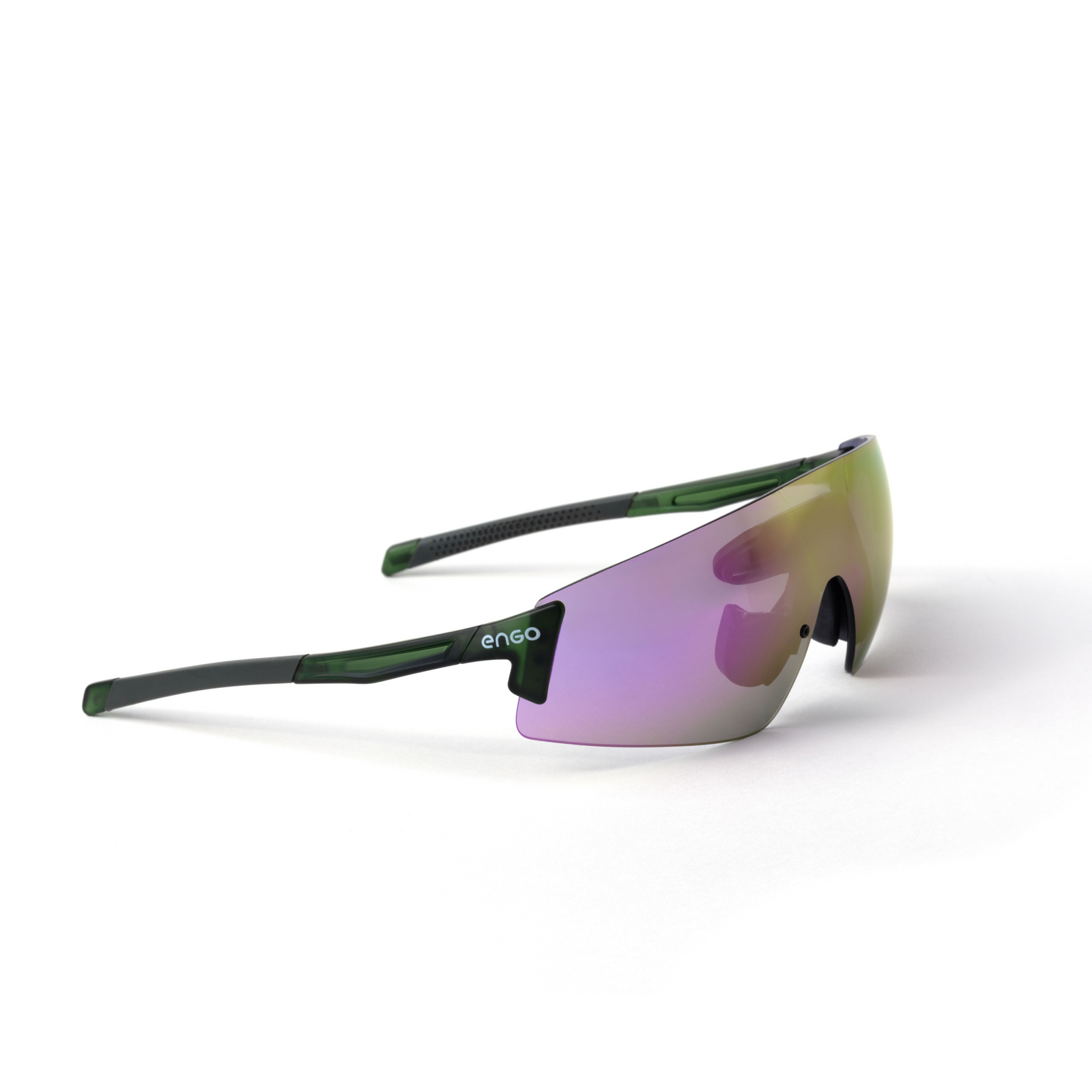
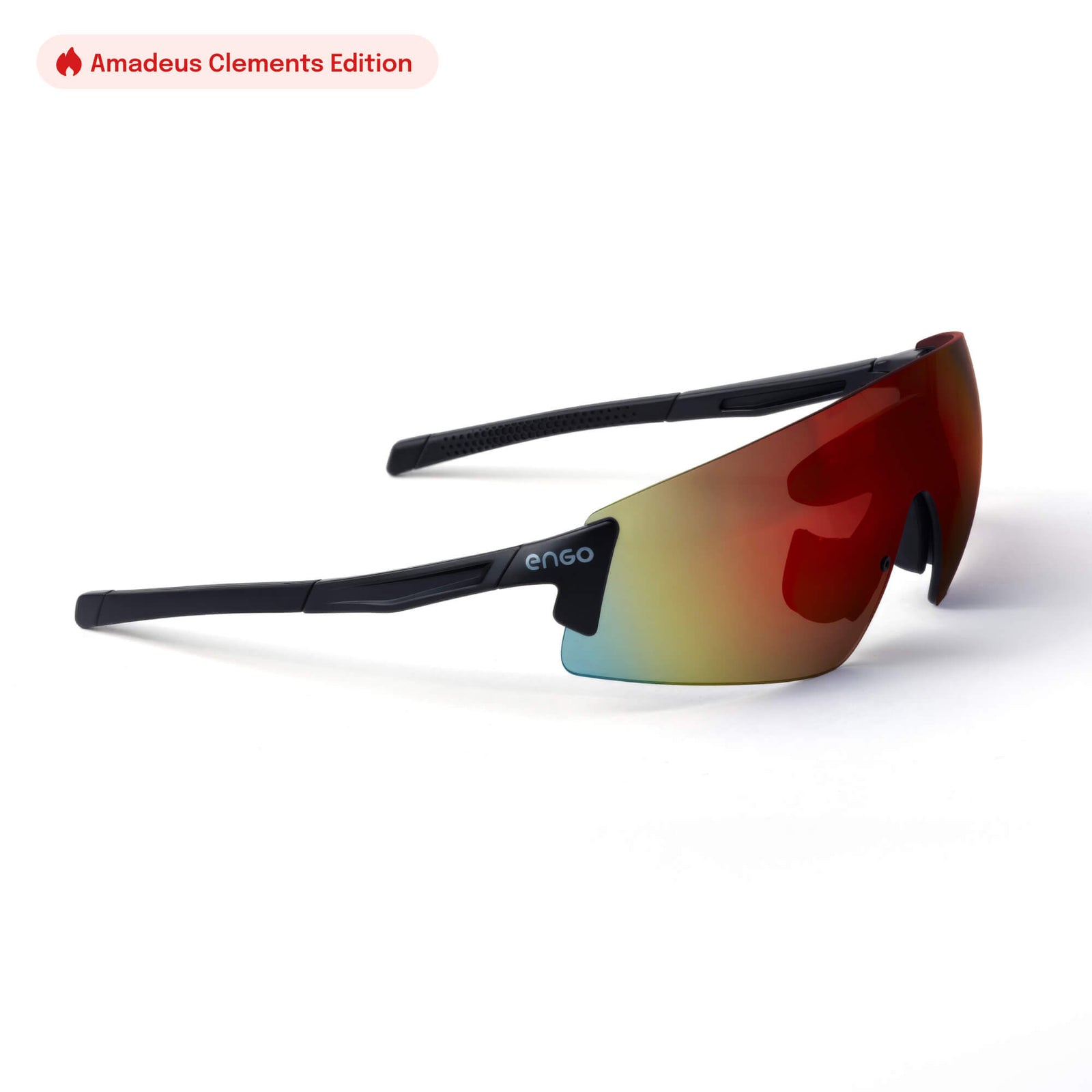
The engo3 uses fixed tinted lenses (category 3), perfect for very sunny conditions. The engo3 Photochromic features photochromic lenses that automatically adapt to light levels (cat. 0 to 3), making it ideal for changing light conditions.
Is engo3 compatible with Garmin?
Yes it is, with over 81+ models of Garmin devices, plus Apple Watch.
How is engo3 different from Meta Oakley Vanguard?
engo3 is a pure performance display built for serious runners and cyclists: a lightweight AR heads-up display (38.5g) that projects your stats (pace, heart rate, cadence, and more) right in your line of sight, with 20+ hours of battery life and no camera, music, or notifications to distract you.
The Oakley Meta Vanguard is a general-purpose smart glasses product with a built-in camera and Meta AI, giving you sport stats through voice commands or audio rather than a visual display, with about 9 hours of battery life. In short: engo3 keeps your eyes on the road and your data always visible, Vanguard is a multitasking device where sport is one feature among many.
How long does the engo3 battery last?
24+hours
Can I use engo3 for trail running or ultras?
Yes!
Does engo3 have a camera?
No, engo3 doesn't have a camera. It's built purely as a data display: no camera, no music, no notifications, just your real-time stats (pace, heart rate, cadence, etc.) projected in your field of view. That's a deliberate choice to keep it light (38.5g) and focused on performance rather than content capture.
What is the weight of engo3?
38.5 gr
Read more articles

Sardines: The Runner's Superfood Hiding in Your Pantry
Cheap, shelf-stable and packed with protein, omega-3s, vitamin D and calcium, sardines deserve a place in every runner's diet. Here is why, and easy ways to eat more of them.

The +11°C rule: how to actually dress for cold weather running
The science-backed rule that stops you from overdressing on cold mornings, plus a few field-tested hacks from the engo 6AM Club.
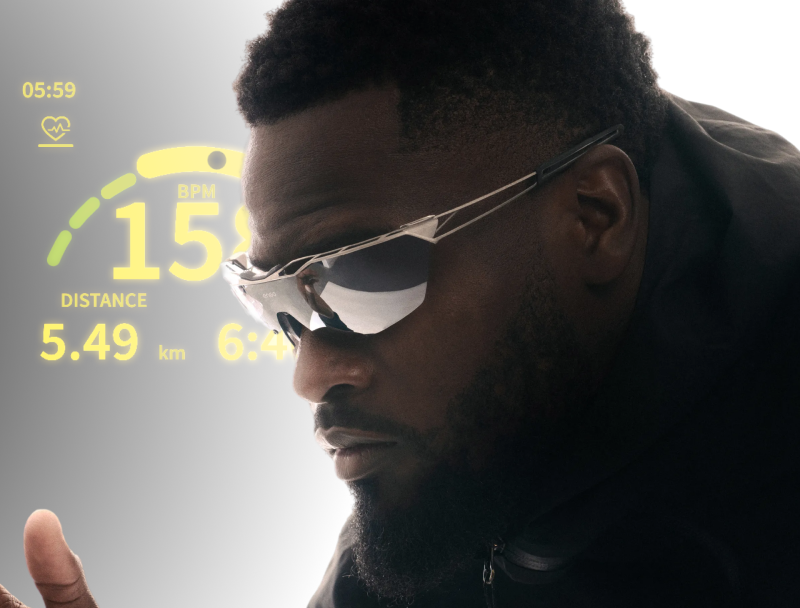
engo3 Titanium: built to disappear
500 frames. Aerospace-grade titanium, grown layer by layer, 28,9 grams total. Discover why we engineered engo3 Titanium, and why some objects are worth owning for a lifetime.

Compatible Devices
Works with most Garmin and Apple Watch. See the complete list of supported devices and third-party apps that work seamlessly with engo.
Check the compatibility of your device
Get Started in Minutes
Step-by-step instructions for pairing ENGO with your specific watch model. Clear, simple guidance to get you from unboxing to your first run in under 5 minutes.
Connect ENGO to your device
Returns
Train with engo for 30 days. If it doesn't transform your running, return it free with our prepaid label. Full refund, no questions asked, no restocking fees.
See Return Process
Questions? We're Here.
Browse our FAQ library, explore detailed setup guides, search our help database, or chat directly with our support team. Real help when you need it.
Visit Support Center