


Maintain HR Consistency
Sommaire
- Real-time data and costly HR spikes, any link?
- The Rhythm of Performance: How ENGO Prevents Costly Cardiac Variability
- The Physiological Cost of Heart Rate Variability
- The Watch-Checking Disruption Cycle
- ENGO's Cardiac Stabilization Effect
- Metabolic Efficiency Through Consistency
- Quantifiable Performance Benefits

Real-time data and costly HR spikes, any link?
The Rhythm of Performance: How ENGO Prevents Costly Cardiac Variability
In the world of endurance sports, heart rate consistency isn't just a metric—it's a performance multiplier. Exercise physiologists have long understood that unnecessary heart rate spikes caused by external factors can significantly impair race performance through premature glycogen depletion and metabolic disruption.
The Physiological Cost of Heart Rate Variability
Your cardiovascular system operates most efficiently when allowed to maintain steady-state conditions. Research from the European Journal of Applied Physiology shows that each unnecessary 10 BPM spike in heart rate:
- Increases glycogen utilization by approximately 5-7%
- Elevates cortisol production
- Decreases running economy by 1-2%
- Accelerates dehydration through increased sweating
- Requires 3-6 minutes to fully stabilize after the spike
The Watch-Checking Disruption Cycle
A significant source of these costly heart rate spikes? The simple act of checking your watch.
Troy Woolfolk explains: "Before, I would use a Garmin watch, but even that small movement of raising my arm would throw off my rhythm and take 4-5 seconds to get back on pace. With ENGO, checking my time is literally effortless—just a simple adjustment of the eyes and I'm still in sync with my pace."
This mechanical disruption creates a physiological chain reaction:
- Biomechanical disruption - Form breaks as arm raises
- Momentary pace change - Speed fluctuates during the check
- Heart rate elevation - Cardiovascular system responds to sudden change
- Mental stress spike - Processing the information creates cognitive load
- Compensatory overexertion - Often over-correcting after seeing metrics
ENGO's Cardiac Stabilization Effect
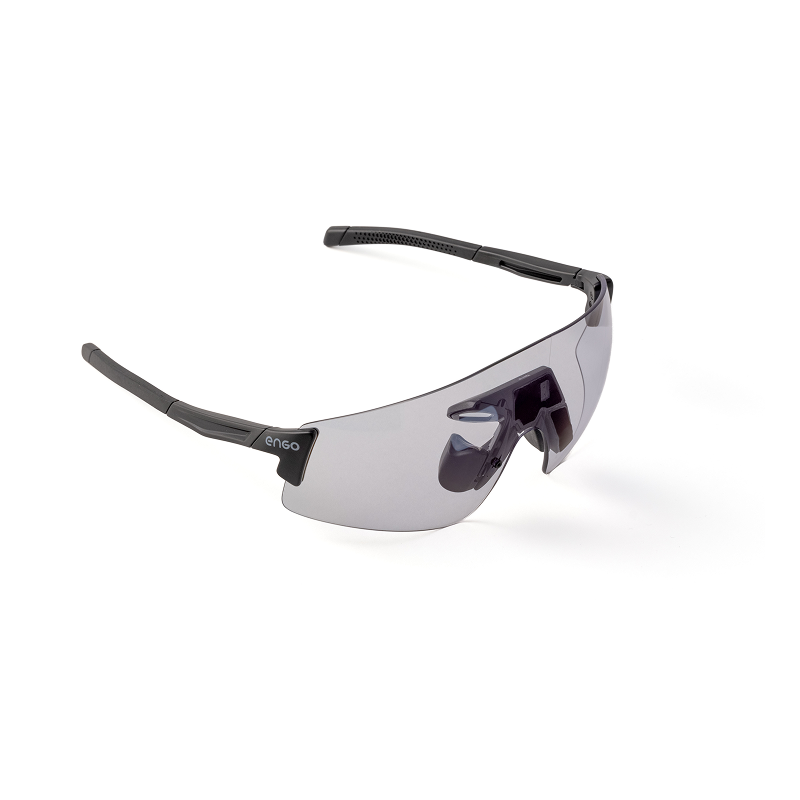
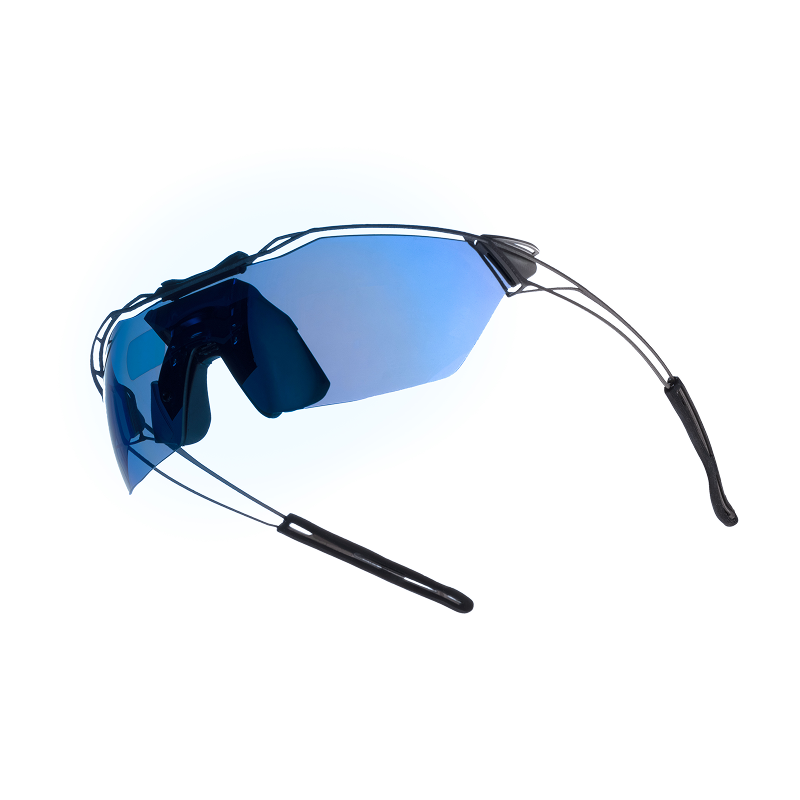
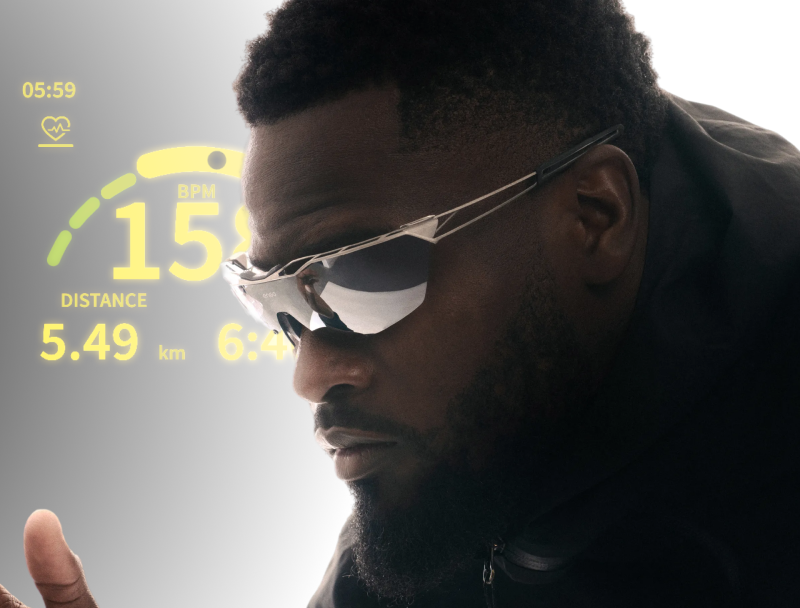
ENGO's heads-up display eliminates these disruptions by providing continuous feedback without requiring any biomechanical adjustments.
Triathlete Tenchi So observes: "By being able to observe the relevant metrics in real-time through ENGO2 glasses, I can now match those metrics in how I feel during training, so that I can execute by feel and match my speed and effort naturally during racing, without being distracted by my watch."
This continuous awareness creates what exercise physiologists call "physiological homeostasis"—the body's ability to maintain stable internal conditions despite external changes.
Metabolic Efficiency Through Consistency
From a physiological perspective, heart rate consistency offers several significant performance advantages:
- Optimized substrate utilization - More efficient fat:carbohydrate oxidation ratio
- Reduced autonomic nervous system activation - Less fight-or-flight response
- Improved cardiac efficiency - Better stroke volume and cardiac output
- Enhanced perceived exertion accuracy - More reliable connection between feel and effort
Cross-country skier Magnus Waaler has directly experienced these benefits: "Since incorporating ENGO into my routine, I've noticed better consistency in my pacing, fewer unnecessary fatigue spikes, and an overall improvement in my ability to hit key performance metrics."
Quantifiable Performance Benefits
Research indicates that reducing unnecessary heart rate variability can improve endurance performance by 2-4% through enhanced metabolic efficiency alone.
Elite runners with lower heart rate variability at the same intensity demonstrate up to 5% better running economy, translating directly to faster times and delayed fatigue.
Speed skater Peter Michael summarizes it perfectly: "Ease and comfort are crucial in any sport, and ENGO ensures you stay focused on your performance without distractions."
By maintaining heart rate consistency through continuous, non-disruptive feedback, ENGO transforms your cardiovascular system from a limitation into a precision instrument—consistently delivering oxygen and nutrients exactly when and where they're needed without the costly spikes and valleys that traditionally plague endurance performance.
Discover engo3
Everything runners ask, answered.
Will I even notice a difference?
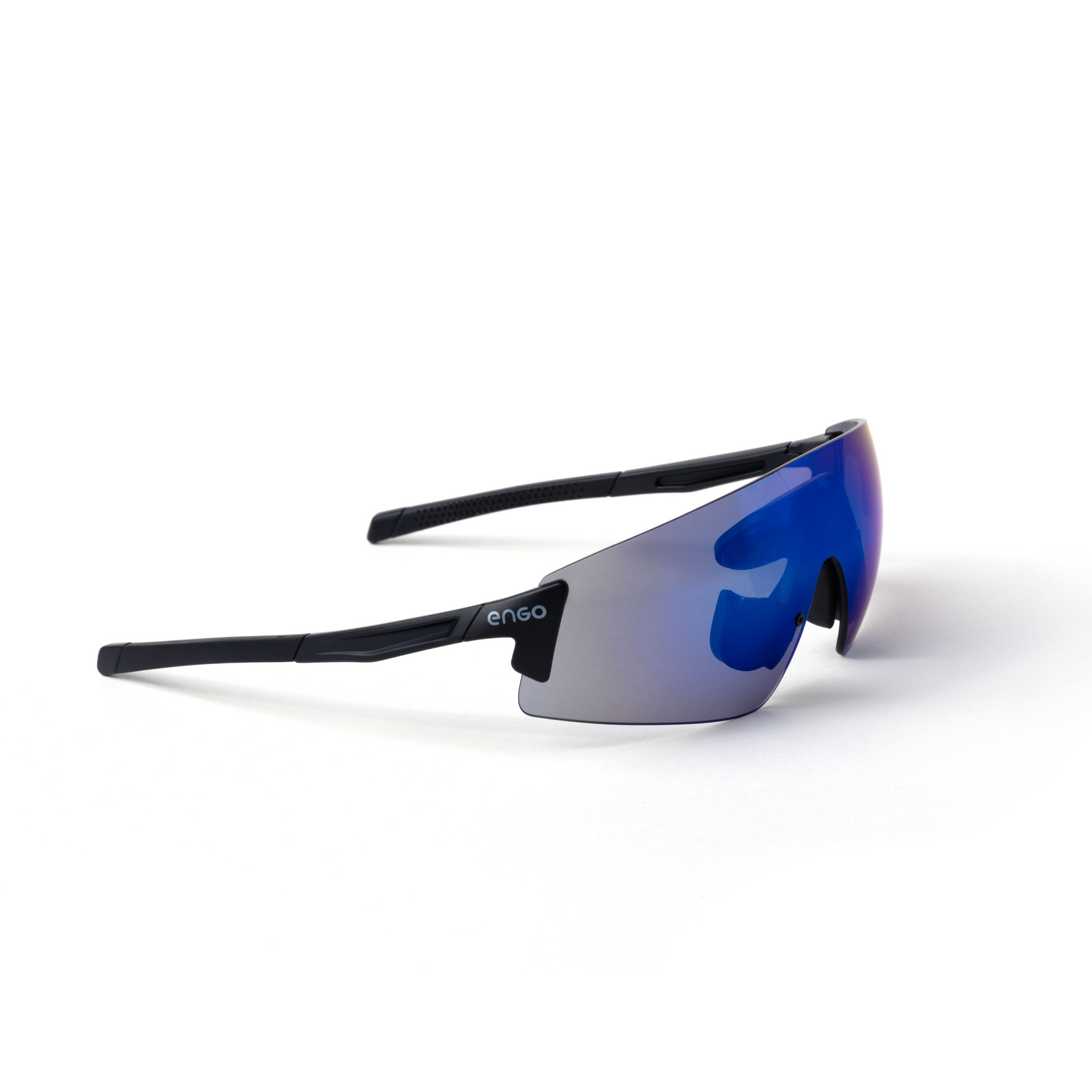
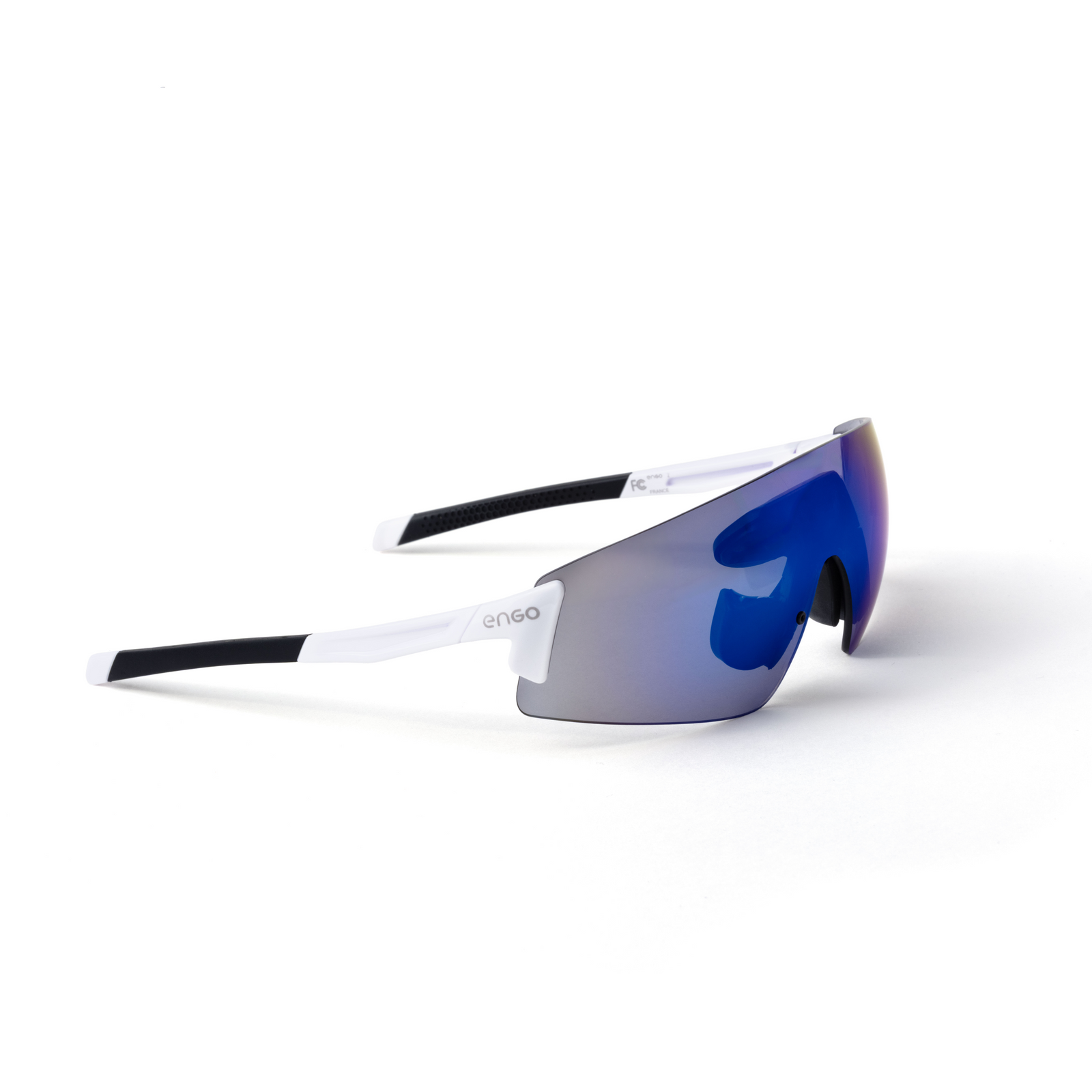
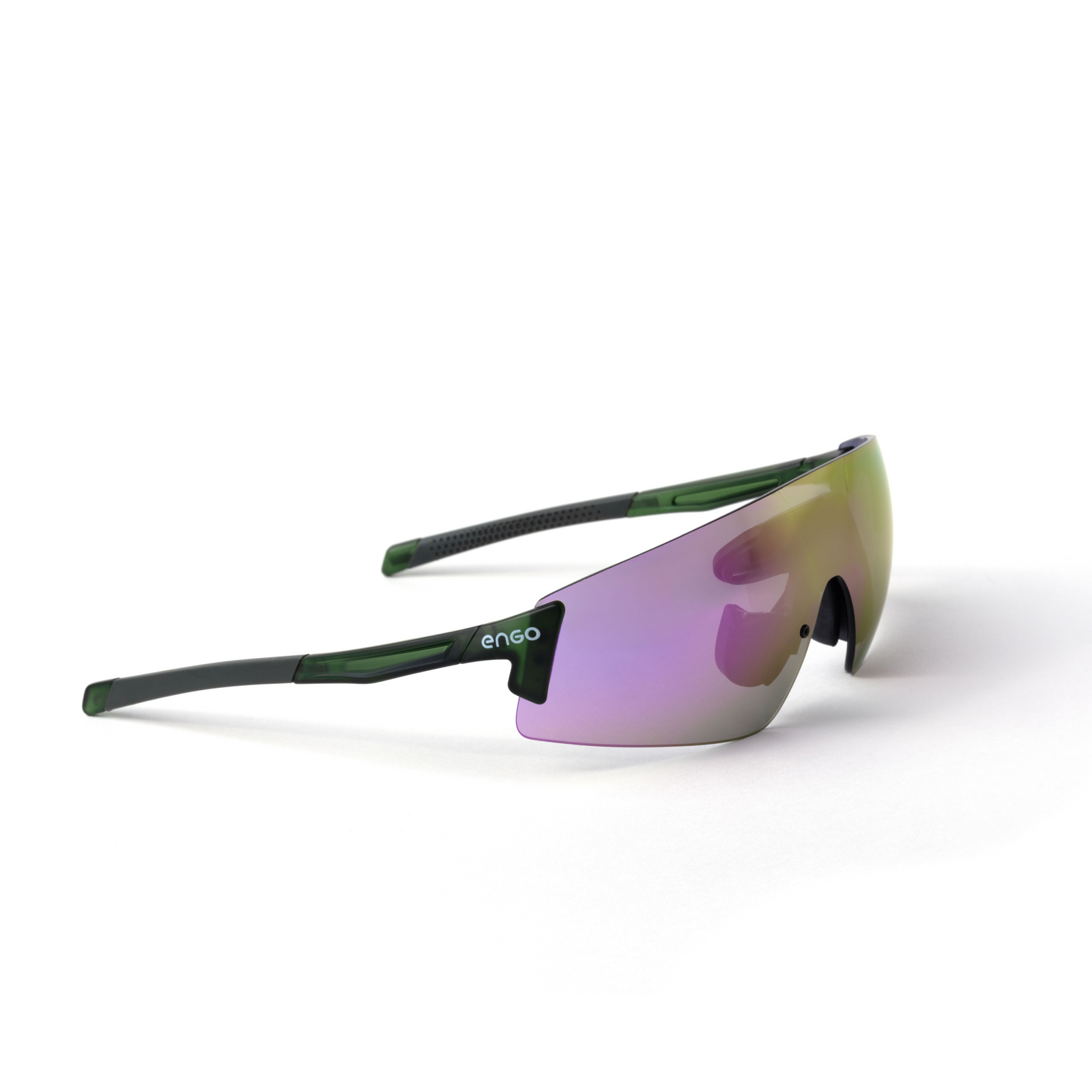
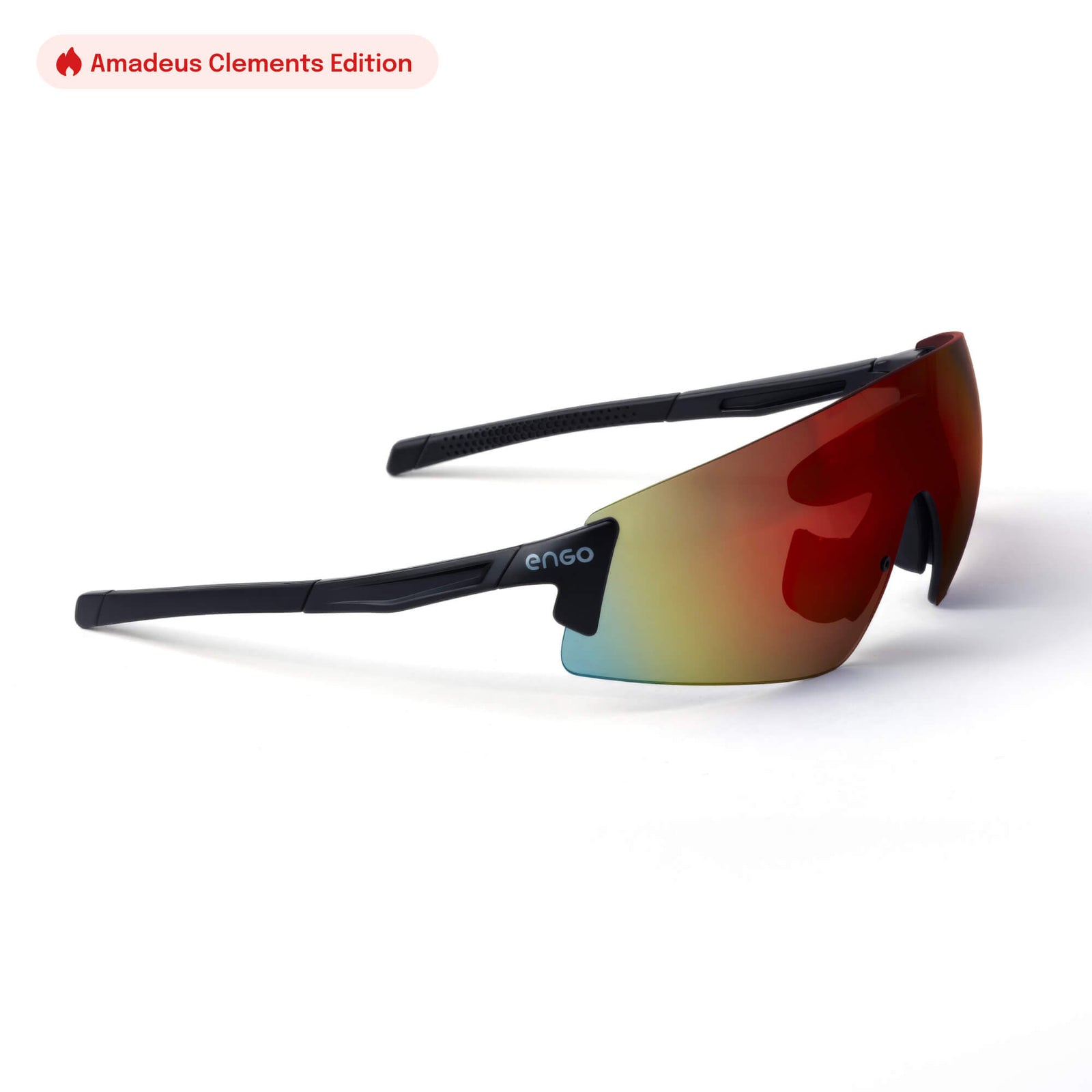
The engo3 uses fixed tinted lenses (category 3), perfect for very sunny conditions. The engo3 Photochromic features photochromic lenses that automatically adapt to light levels (cat. 0 to 3), making it ideal for changing light conditions.
Is engo3 compatible with Garmin?
Yes it is, with over 81+ models of Garmin devices, plus Apple Watch.
How is engo3 different from Meta Oakley Vanguard?
engo3 is a pure performance display built for serious runners and cyclists: a lightweight AR heads-up display (38.5g) that projects your stats (pace, heart rate, cadence, and more) right in your line of sight, with 20+ hours of battery life and no camera, music, or notifications to distract you.
The Oakley Meta Vanguard is a general-purpose smart glasses product with a built-in camera and Meta AI, giving you sport stats through voice commands or audio rather than a visual display, with about 9 hours of battery life. In short: engo3 keeps your eyes on the road and your data always visible, Vanguard is a multitasking device where sport is one feature among many.
How long does the engo3 battery last?
24+hours
Can I use engo3 for trail running or ultras?
Yes!
Does engo3 have a camera?
No, engo3 doesn't have a camera. It's built purely as a data display: no camera, no music, no notifications, just your real-time stats (pace, heart rate, cadence, etc.) projected in your field of view. That's a deliberate choice to keep it light (38.5g) and focused on performance rather than content capture.
What is the weight of engo3?
38.5 gr
Read more articles

The +11°C rule: how to actually dress for cold weather running
The science-backed rule that stops you from overdressing on cold mornings, plus a few field-tested hacks from the engo 6AM Club.
engo3 Titanium: built to disappear
500 frames. Aerospace-grade titanium, grown layer by layer, 28,9 grams total. Discover why we engineered engo3 Titanium, and why some objects are worth owning for a lifetime.

The work behind the display: three months of software updates
A note from engo's software lead on what's changed since launch, for both Garmin and Apple Watch users.

Compatible Devices
Works with most Garmin and Apple Watch. See the complete list of supported devices and third-party apps that work seamlessly with engo.
Check the compatibility of your device
Get Started in Minutes
Step-by-step instructions for pairing ENGO with your specific watch model. Clear, simple guidance to get you from unboxing to your first run in under 5 minutes.
Connect ENGO to your device
Returns
Train with engo for 30 days. If it doesn't transform your running, return it free with our prepaid label. Full refund, no questions asked, no restocking fees.
See Return Process
Questions? We're Here.
Browse our FAQ library, explore detailed setup guides, search our help database, or chat directly with our support team. Real help when you need it.
Visit Support Center