


Nail the Negative Split Strategy

Sommaire
- The Science of Race Pacing
- Understanding Energy Systems
- The Cost of Early Mistakes
- Race Pacing Strategies: A Comprehensive Guide
- Negative Split
- Even Pacing
- Positive Split
- Variable Pacing
- Heart Rate-Based Pacing
- The Real-Time Data Revolution
- From Theory to Practice
- The ENGO Advantage
- The Expert Perspective: Race Strategy Deep Dives
- Marathon Magic: The 5/5/5/5/6 Approach
- Triathlon Transitions: Power-Based Racing
- Ultra-Endurance: The 80/20 Rule
- From Strategy to Execution

In the world of endurance sports, the difference between a personal best and a disappointing finish often comes down to race execution rather than fitness. Even the most well-trained athletes can falter if they don't properly manage their effort throughout a competition. This is where strategic pacing—particularly the art of the negative split—becomes crucial.
The concept sounds simple: run the second half of your race faster than the first. Yet according to a 2013 study published in the Journal of Strength and Conditioning Research analyzing over 300,000 marathon performances, only 5.6% of runners successfully achieve a negative split. What separates these elite performers from the rest? Increasingly, the answer lies in data-driven execution and real-time feedback.
The Science of Race Pacing
Understanding Energy Systems
Human performance relies on three primary energy systems:
- Phosphagen System: Provides immediate energy for 10-15 seconds of maximum effort
- Glycolytic System: Fuels moderate to high-intensity efforts lasting up to 3 minutes
- Aerobic System: Powers longer, sustained efforts through efficient oxygen utilization
Each race distance demands a unique balance of these systems. Marathon runners primarily rely on aerobic metabolism, while middle-distance events require strategic deployment of both aerobic and anaerobic resources.
Research published in the International Journal of Sports Physiology and Performance (2019) demonstrates that optimal performance comes from balancing these energy systems throughout the race—not exhausting any single system too early. This scientific understanding forms the foundation of intelligent race pacing strategies.
The Cost of Early Mistakes
Poor pacing decisions in the opening stages of a race can have devastating physiological consequences:
- Premature glycogen depletion: Starting too fast can accelerate carbohydrate utilization rates by 15-20%
- Early lactate accumulation: Excessive early intensity leads to lactate buildup that requires significant energy to process
- Neural fatigue: Higher-than-sustainable power outputs create central nervous system fatigue that persists throughout the race
According to studies from the European Journal of Applied Physiology, every 5% increase in pace above lactate threshold in the early stages of an endurance event can reduce overall performance by 2-3% by the finish line. For a 3:30 marathoner, that translates to nearly 7 minutes lost.
Race Pacing Strategies: A Comprehensive Guide
Negative Split
The negative split strategy involves completing the second half of a race faster than the first. This approach conserves energy early and capitalizes on the body's ability to process lactate more efficiently when not overwhelmed.
Benefits:
- Prevents early glycogen depletion
- Creates psychological advantage of passing competitors late
- Reduces risk of "hitting the wall"
Ideal for: Marathons, half-marathons, and longer triathlons
Example split times for a 3:30 marathon:
- First half: 1:46:30 (8:08 min/mile)
- Second half: 1:43:30 (7:54 min/mile)
Even Pacing
This strategy aims to maintain a consistent effort throughout the entire race. According to a 2020 analysis in Sports Medicine, even pacing produces the most efficient performances in events lasting longer than 2 minutes, as it optimizes oxygen consumption and minimizes metabolic fluctuations.
Benefits:
- Metabolically efficient
- Easier to execute mentally
- Provides predictable finishing times
Ideal for: 5K to 10K races, Olympic-distance triathlons
Positive Split
Though less popular for optimal performance, positive split (starting faster and gradually slowing) can be appropriate for certain scenarios, particularly in tactical racing or when course geography demands it.
Benefits:
- Establishes position in crowded race starts
- Capitalizes on early energy availability
- Adapts to frontloaded challenging course features
Ideal for: Track events, downhill-to-uphill courses
Variable Pacing
This sophisticated approach adjusts pace according to terrain, conditions, and race dynamics. A 2018 study in the Journal of Applied Physiology found that elite runners naturally vary their pace by 3-5% based on course topography, with optimized effort rather than consistent speed.
Benefits:
- Adapts to course geography
- Maintains consistent physiological effort despite changing conditions
- Optimizes energy expenditure
Ideal for: Trail running, cycling events, and technically challenging courses
Heart Rate-Based Pacing
Rather than focusing on speed or power, this strategy uses cardiovascular response to gauge effort, ensuring physiological sustainability regardless of environmental conditions.
Benefits:
- Accounts for environmental factors (heat, humidity)
- Adapts to daily variations in physical readiness
- Prevents overexertion in challenging conditions
Ideal for: Hot weather racing, ultra-endurance events
The Real-Time Data Revolution
From Theory to Practice
While understanding these strategies is essential, executing them precisely during the physical and mental stress of competition presents significant challenges. Traditional methods rely on periodic glances at wrist-worn devices—a process that creates both physical and cognitive disruptions.
Research from the Journal of Sports Sciences indicates that checking a wrist-based device while running:
- Disrupts running economy by 2-4% during the checking motion
- Creates momentary heart rate spikes averaging 3-5 bpm
- Requires 6-8 seconds of cognitive processing to interpret and apply the data
- Occurs approximately 20-30 times during a marathon for average runners
These disruptions add up. A 2021 biomechanical analysis found that runners checking wrist devices frequently experienced:
- Increased oxygen consumption by 1.2% overall
- Additional vertical oscillation averaging 2.3cm during checking phases
- Altered stride patterns for 3-5 strides following each check
The ENGO Advantage
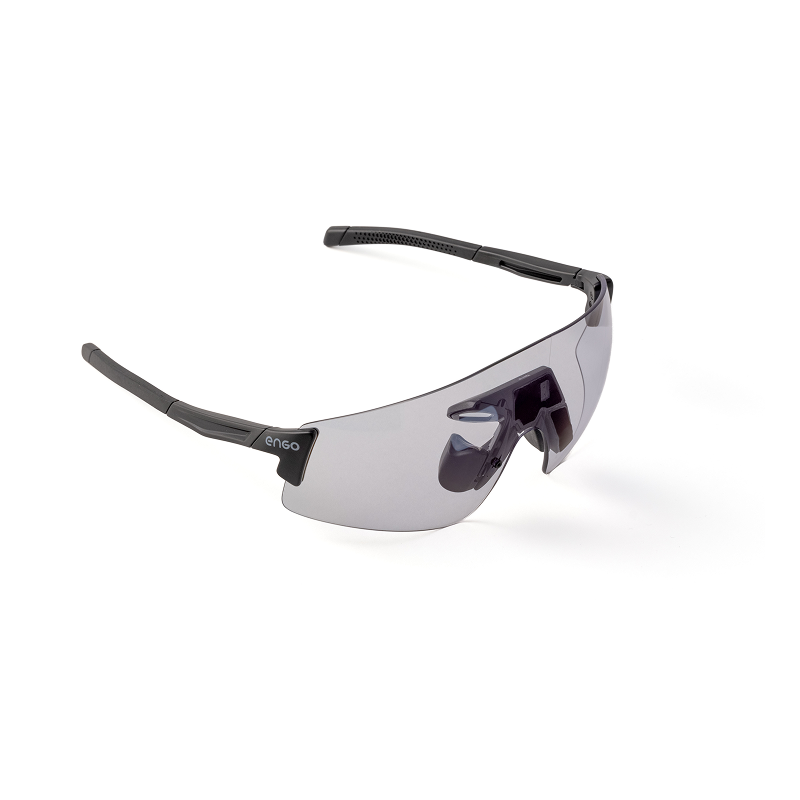
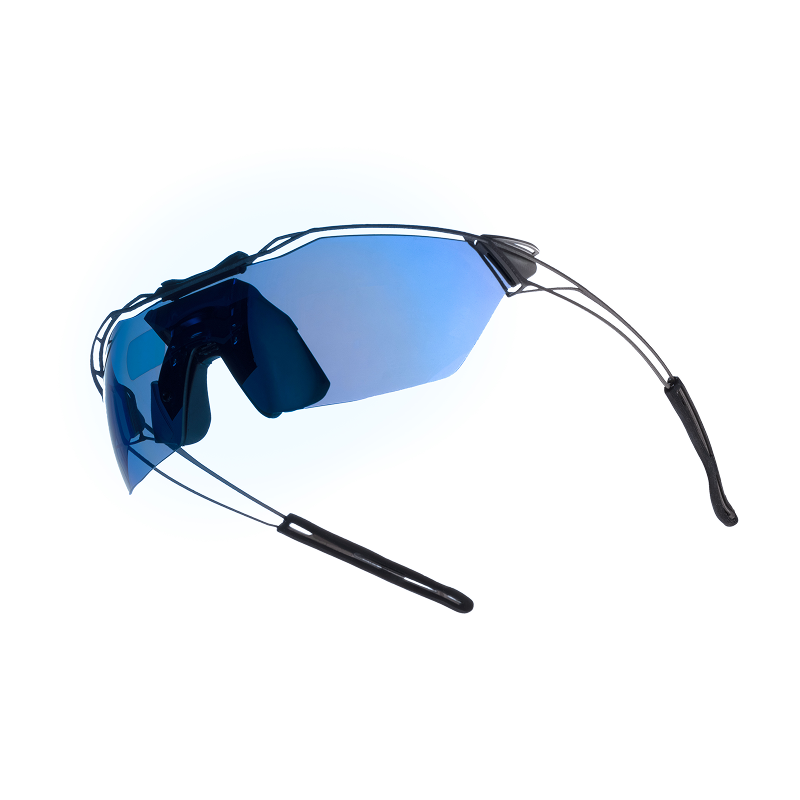
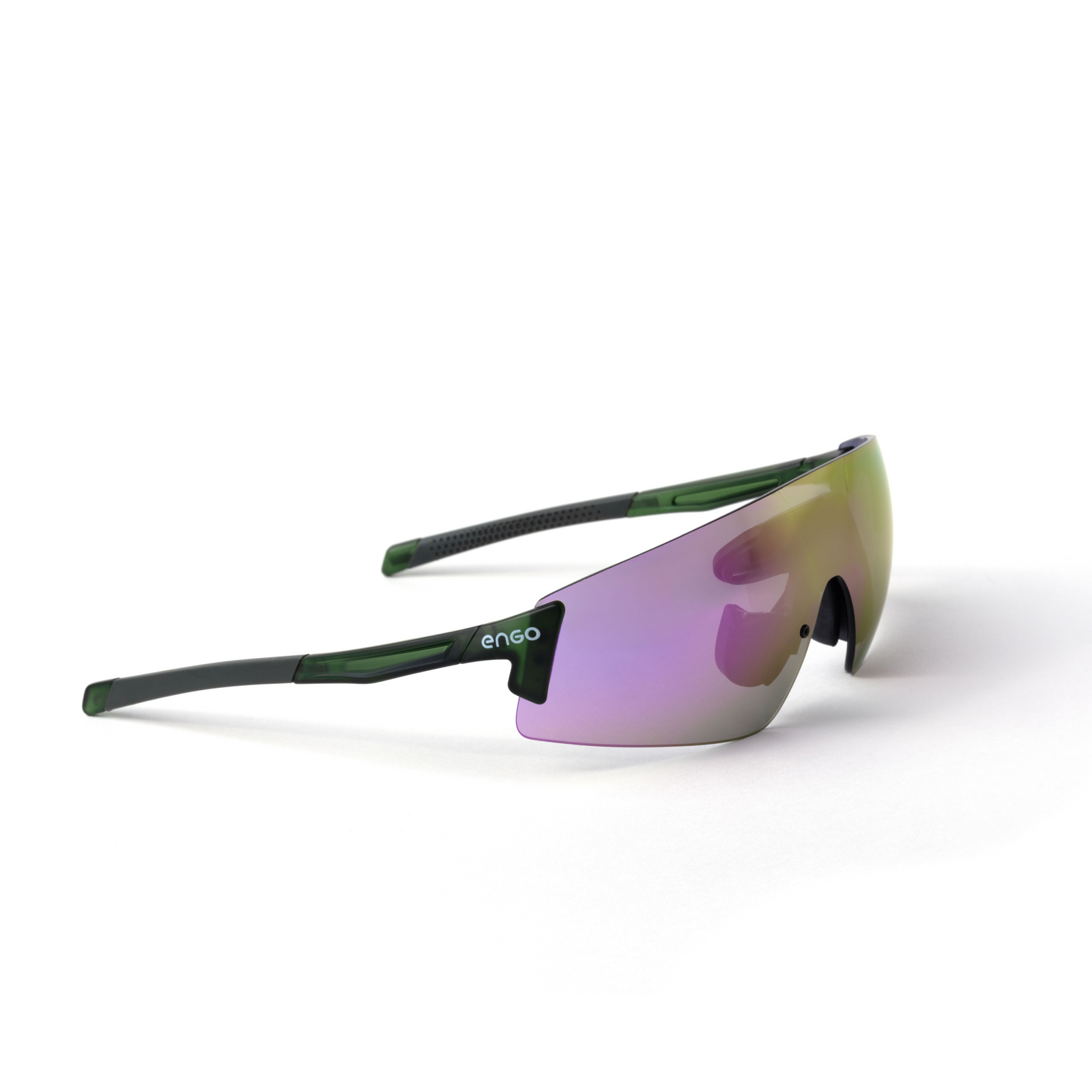
ENGO eyewear eliminates these disruptions by positioning critical metrics directly in the athlete's line of sight, creating a seamless integration of data into the racing experience. The technological advantage translates into measurable performance benefits:
- Continuous feedback: Athletes receive constant data updates without disrupting form
- Reduced cognitive load: No mental switching between racing and data interpretation
- Stabilized physiology: Elimination of checking-related heart rate and form fluctuations
- Enhanced precision: Moment-by-moment adjustments to stay on target pace or power
The Expert Perspective: Race Strategy Deep Dives
Marathon Magic: The 5/5/5/5/6 Approach
Olympic marathon coach Jack Daniels popularized this sectional marathon strategy that divides the race into five 5-mile segments followed by a final 6.2-mile segment (for the full 26.2 miles). Each segment has specific pacing guidelines:
- Miles 1-5: 5-10 seconds per mile slower than goal pace
- Miles 6-10: Goal pace
- Miles 11-15: Goal pace
- Miles 16-20: Maintain goal pace (the critical segment)
- Miles 21-26.2: Whatever remains in the tank
This structured approach, when executed with precision, produces the coveted negative split while accounting for the physiological challenges of different race phases.
Triathlon Transitions: Power-Based Racing
In triathlon, power-based pacing has revolutionized cycling performance. According to Joe Friel, renowned triathlon coach and author of "The Triathlete's Training Bible," most age-group triathletes ride 10-15% above their sustainable power in the first third of the bike segment—a costly error that compromises their run.
The optimal approach breaks the bike segment into power zones:
- First 10 minutes: 95% of Functional Threshold Power (FTP)
- Middle section: 85-90% of FTP (adjusted for terrain)
- Final 5K: 80-85% of FTP to prepare for the run
Real-time power data makes this precise execution possible, particularly when available without breaking aerodynamic position.
Ultra-Endurance: The 80/20 Rule
For ultra-distance events, heart rate-based pacing becomes increasingly important. The general principle follows an "80/20" distribution:
- 80% of the race: Stay strictly below 80% of maximum heart rate
- Final 20%: Permission to increase effort if feeling strong
This conservative approach acknowledges the metabolic realities of extended efforts and dramatically reduces DNF (Did Not Finish) rates, according to research from the Western States Endurance Run database.
From Strategy to Execution
The science of race pacing is clear: strategic distribution of effort throughout an event optimizes physiological resources and produces superior performances. Yet knowledge alone doesn't translate to execution—especially under the physical and mental stress of competition.
ENGO eyewear bridges this gap between knowledge and application, transforming theoretical race plans into practical execution. By providing continuous, non-disruptive access to critical metrics, it enables athletes at every level to make informed decisions throughout their races.
Whether you're chasing an Olympic qualification, aiming for a Boston Marathon time, or simply looking to set a new personal best, the ability to execute your race strategy with precision can make all the difference. In a sport where seconds matter and small advantages compound, having your key metrics constantly available—without distraction or disruption—may be the edge that transforms your racing experience.
The next time you toe the starting line, ask yourself: Are you ready to race by feel and hope for the best? Or would you prefer to execute with confidence, armed with the data you need precisely when you need it? The choice—and the potential performance breakthrough—is yours.
Discover engo3

Everything runners ask, answered.
Will I even notice a difference?
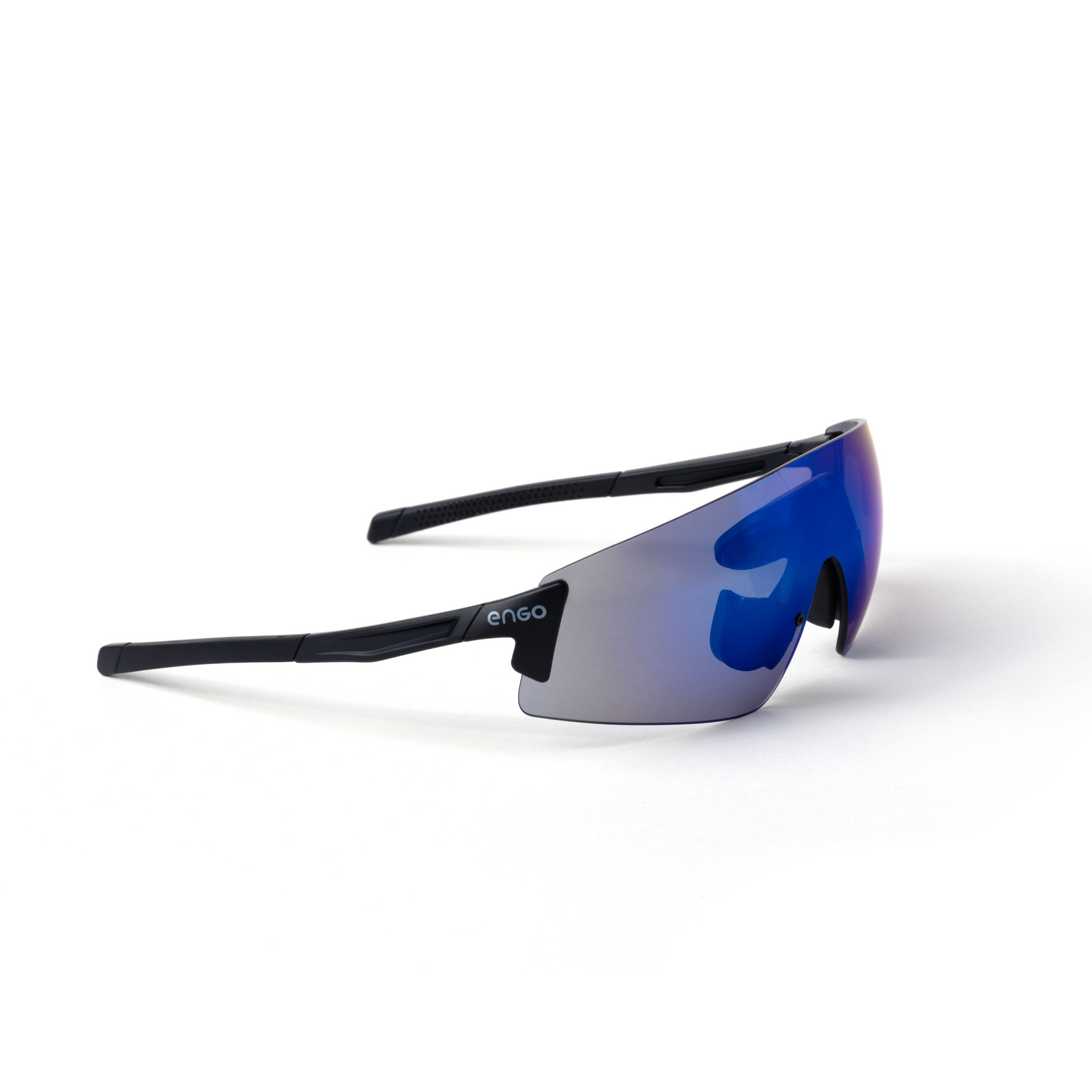
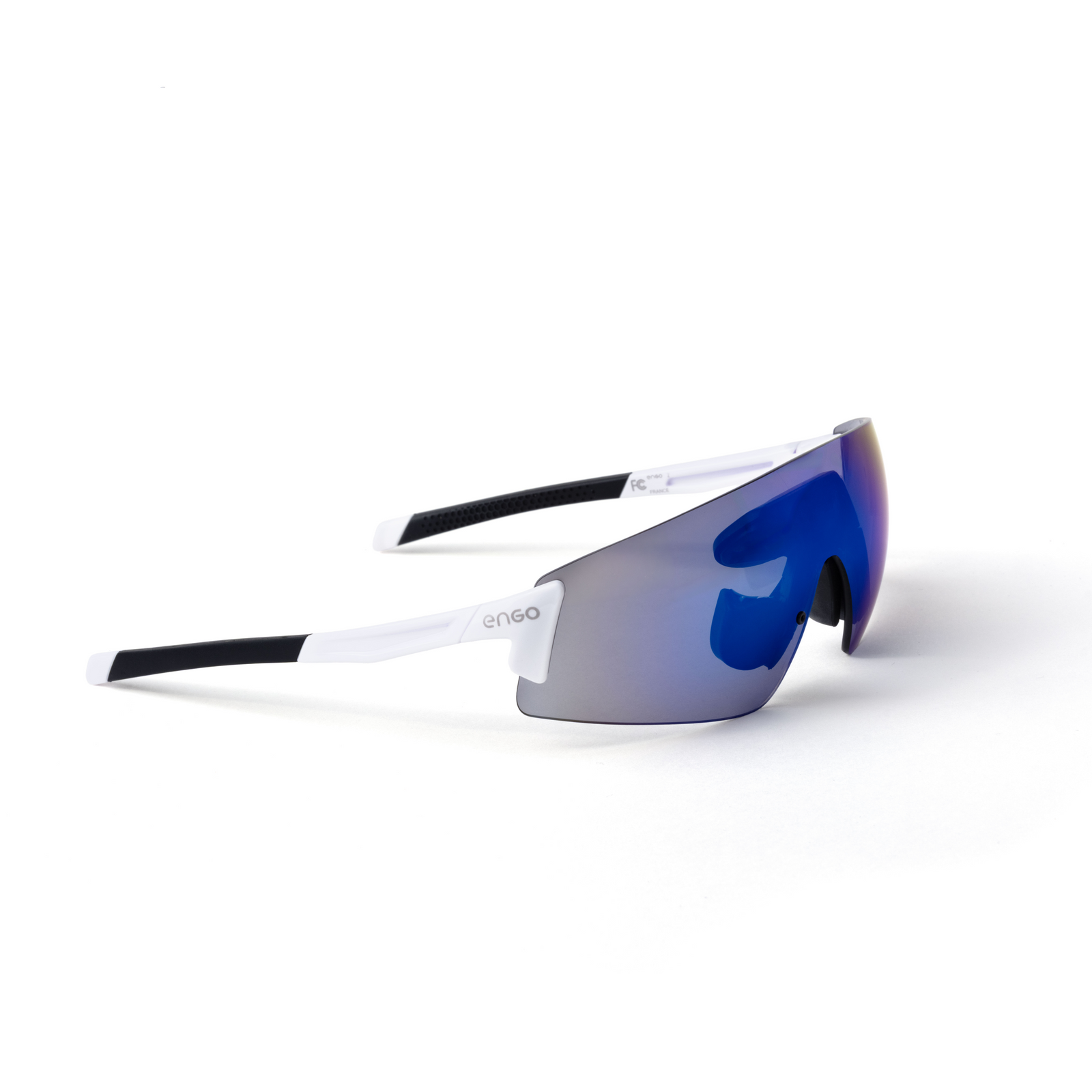
The engo3 uses fixed tinted lenses (category 3), perfect for very sunny conditions. The engo3 Photochromic features photochromic lenses that automatically adapt to light levels (cat. 0 to 3), making it ideal for changing light conditions.
Is engo3 compatible with Garmin?
Yes it is, with over 81+ models of Garmin devices, plus Apple Watch.
How is engo3 different from Meta Oakley Vanguard?
engo3 is a pure performance display built for serious runners and cyclists: a lightweight AR heads-up display (38.5g) that projects your stats (pace, heart rate, cadence, and more) right in your line of sight, with 20+ hours of battery life and no camera, music, or notifications to distract you.
The Oakley Meta Vanguard is a general-purpose smart glasses product with a built-in camera and Meta AI, giving you sport stats through voice commands or audio rather than a visual display, with about 9 hours of battery life. In short: engo3 keeps your eyes on the road and your data always visible, Vanguard is a multitasking device where sport is one feature among many.
How long does the engo3 battery last?
24+hours
Can I use engo3 for trail running or ultras?
Yes!
Does engo3 have a camera?
No, engo3 doesn't have a camera. It's built purely as a data display: no camera, no music, no notifications, just your real-time stats (pace, heart rate, cadence, etc.) projected in your field of view. That's a deliberate choice to keep it light (38.5g) and focused on performance rather than content capture.
What is the weight of engo3?
38.5 gr
Read more articles

The +11°C rule: how to actually dress for cold weather running
The science-backed rule that stops you from overdressing on cold mornings, plus a few field-tested hacks from the engo 6AM Club.

engo3 Titanium: built to disappear
500 frames. Aerospace-grade titanium, grown layer by layer, 28,9 grams total. Discover why we engineered engo3 Titanium, and why some objects are worth owning for a lifetime.

The work behind the display: three months of software updates
A note from engo's software lead on what's changed since launch, for both Garmin and Apple Watch users.


Compatible Devices
Works with most Garmin and Apple Watch. See the complete list of supported devices and third-party apps that work seamlessly with engo.
Check the compatibility of your device
Get Started in Minutes
Step-by-step instructions for pairing ENGO with your specific watch model. Clear, simple guidance to get you from unboxing to your first run in under 5 minutes.
Connect ENGO to your device
Returns
Train with engo for 30 days. If it doesn't transform your running, return it free with our prepaid label. Full refund, no questions asked, no restocking fees.
See Return Process
Questions? We're Here.
Browse our FAQ library, explore detailed setup guides, search our help database, or chat directly with our support team. Real help when you need it.
Visit Support Center