


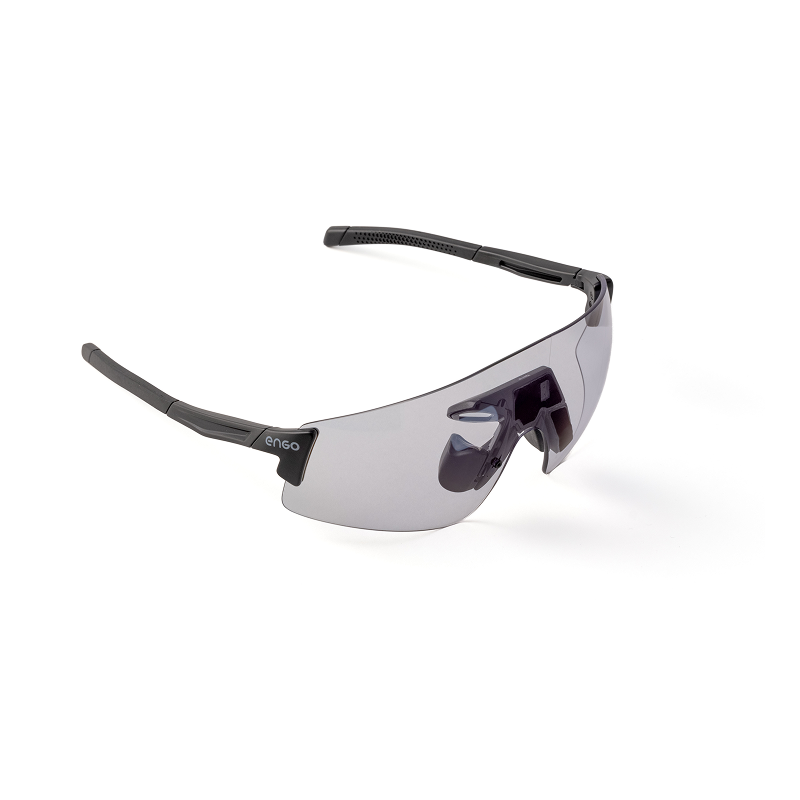
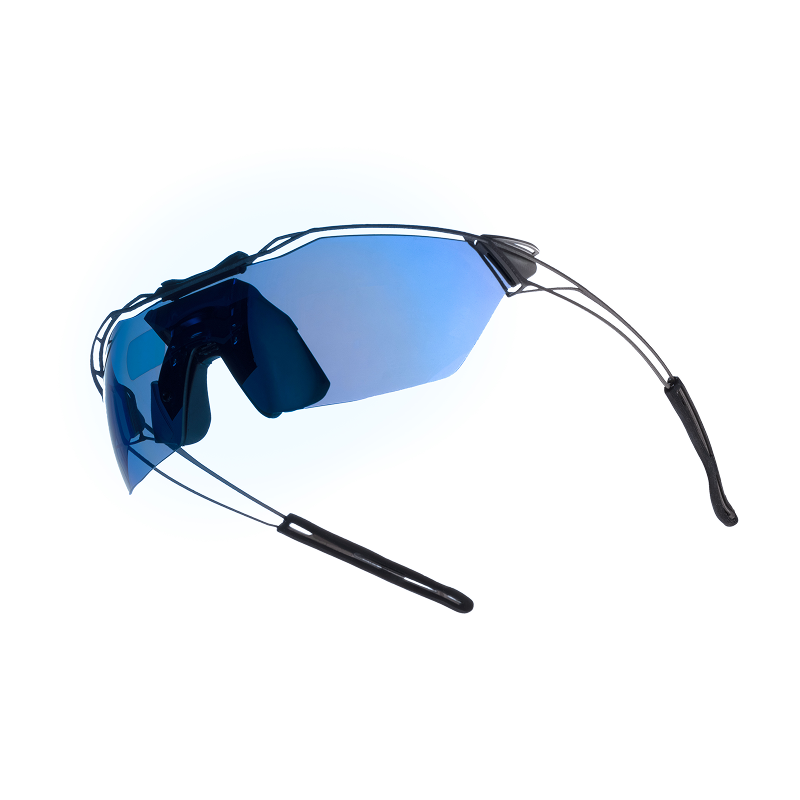
Push harder, hold back? ENGO tells you
Sommaire

Calibrating Your Internal GPS: How ENGO Bridges the Gap Between Feel and Reality
For serious athletes, one of the most elusive skills is accurately matching perceived exertion to actual performance metrics. Exercise physiologists call this "effort calibration"—the ability to precisely correlate how you feel with objective measures like pace, heart rate, and power. This mind-body connection is often disrupted by environmental factors, fatigue, and psychological variables.
The Science of Effort Perception
Research from the Journal of Applied Physiology shows that athletes typically misjudge their effort level by 10-15% under various conditions. This perceptual error stems from several physiological factors:
- Cardiac drift - Heart rate gradually increases at the same power output
- Glycogen depletion - Low fuel stores increase perceived effort
- Thermoregulatory strain - Heat increases effort perception
- Circadian rhythms - Time of day affects performance by 2-5%
- Psychological factors - Stress, anxiety, and motivation alter perception
The Perceptual-Reality Gap
Triathlete Tenchi So articulates this challenge perfectly: "By being able to observe the relevant metrics in real-time through ENGO2 glasses, I can now match those metrics in how I feel during training, so that I can execute by feel and match my speed and effort naturally during racing, without being distracted by my watch or the stress of the racing environment (hot, cold, windy, hilly, etc.)"
This continuous feedback loop creates what sports psychologists call "perceptual anchoring"—establishing reliable reference points between subjective feeling and objective reality.
Building Your Internal Pacing System
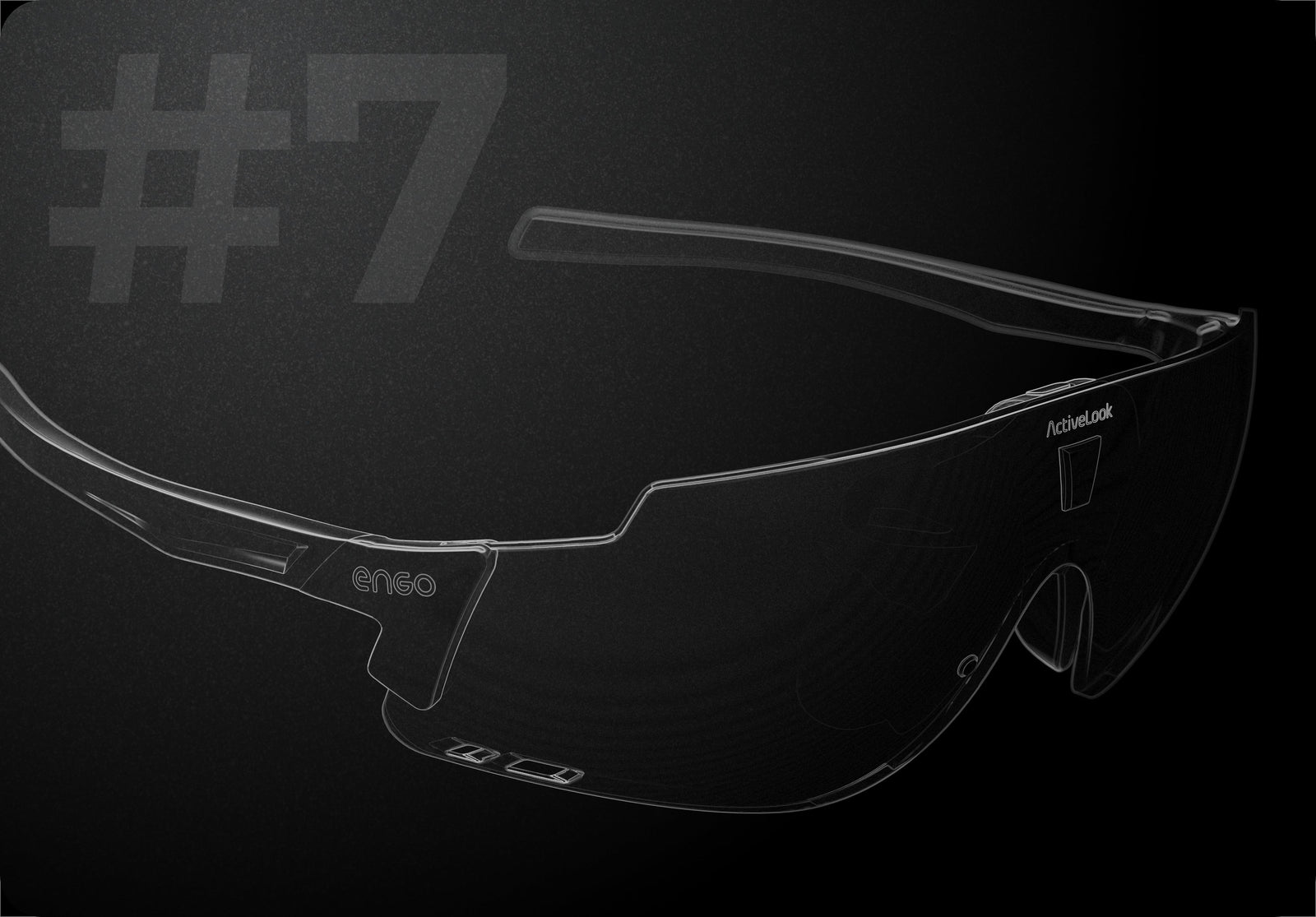
ENGO's heads-up display allows athletes to develop what exercise scientists call "proprioceptive effort calibration"—essentially training your nervous system to accurately judge intensity without external feedback.
Tommaso Boffi, a biomedical engineer and triathlete, explains: "I have found the ENGO goggles great for running races, on fast races i observed a significant energy gain, I'm minimizing my efforts (especially on the 10km) by not always looking at the clock and doing a gesture that at certain speeds is wasteful. I have gained a certain calmness while observing statistics."
This continuous calibration process creates several physiological advantages:
- Improved metabolic efficiency - Matching perceived effort to actual output optimizes energy system usage
- Enhanced pacing intuition - Developing what scientists call "teleoanticipation"—the ability to subconsciously regulate effort
- Better race-day adaptation - Making informed adjustments when conditions change
- Reduced perception distortion - Minimizing the impact of psychological factors on effort assessment
The Hard-Easy Balance
One of the greatest benefits of this perceptual calibration is maintaining appropriate intensity for each training session—what coaches call the "hard-easy balance."
Cross-country skier Magnus Waaler describes his experience: "With real-time access to heart rate and speed data, I've been able to train with greater precision, ensuring I stay within the correct intensity zones for each session. Since incorporating ENGO into my routine, I've noticed better consistency in my pacing, fewer unnecessary fatigue spikes, and an overall improvement in my ability to hit key performance metrics."
This precise calibration ensures what exercise physiologists term "appropriate training stress distribution"—hard days hard enough to trigger adaptations, easy days truly easy enough for recovery.
Race-Day Application
On race day, this developed internal pacing system becomes invaluable, as Olympic speed skater Peter Michael notes: "Engo provides the extra edge you need in your training. When you're struggling to keep pushing, seeing your speed and vitals through the lens helps you maintain your pace and keep digging deep."
Research indicates that athletes with better effort calibration:
- Start races at more appropriate intensities (avoiding early burnout)
- Make better mid-race tactical decisions
- Finish with stronger kicks due to improved energy management
- Adapt more effectively to changing race conditions
y continuously reinforcing the connection between perceived effort and actual performance metrics, ENGO transforms subjective feeling into objective reality, creating athletes who can trust their bodies, make better decisions, and maximize their potential in any conditions—turning the art of pacing into a precise science.
Discover engo3
Everything runners ask, answered.
Will I even notice a difference?
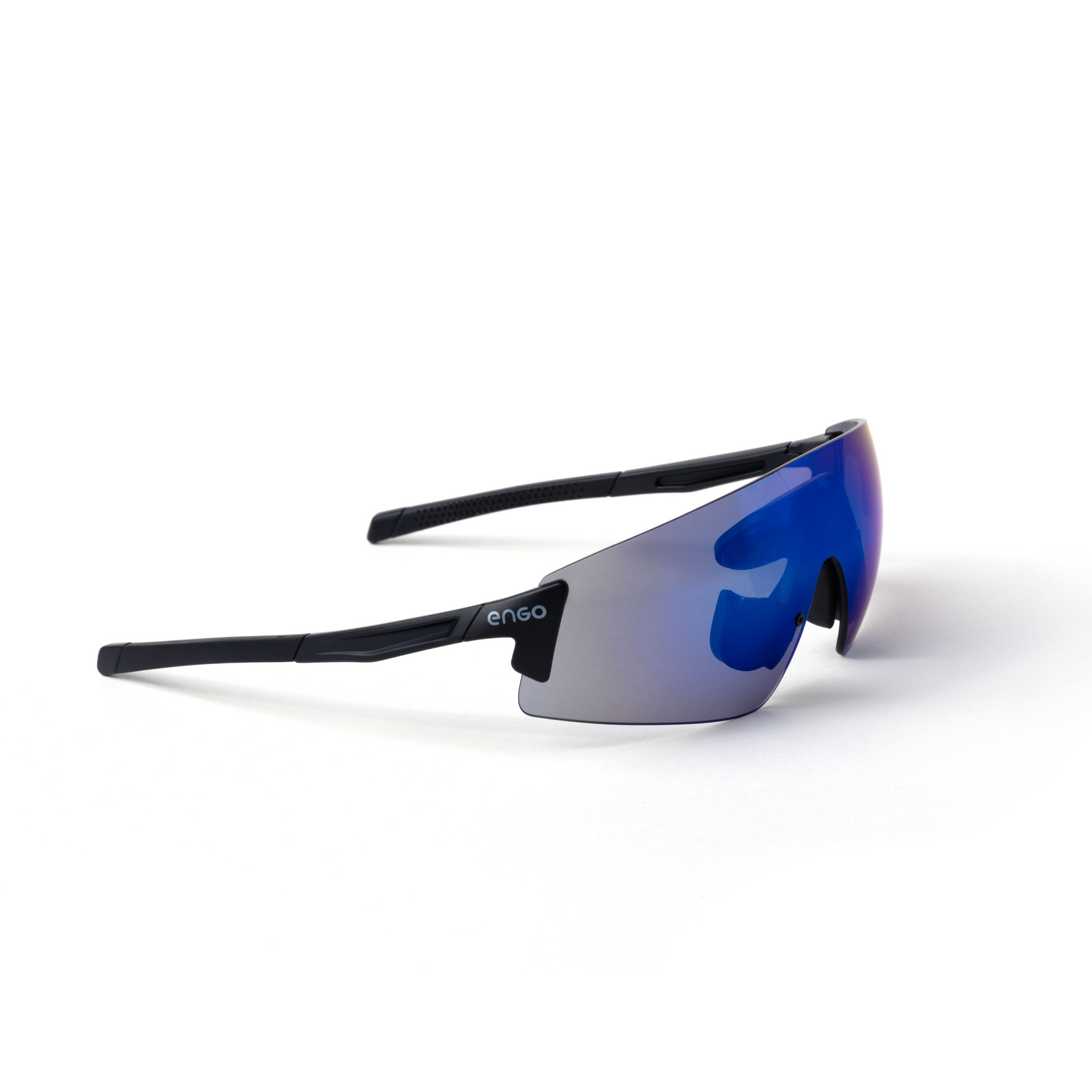
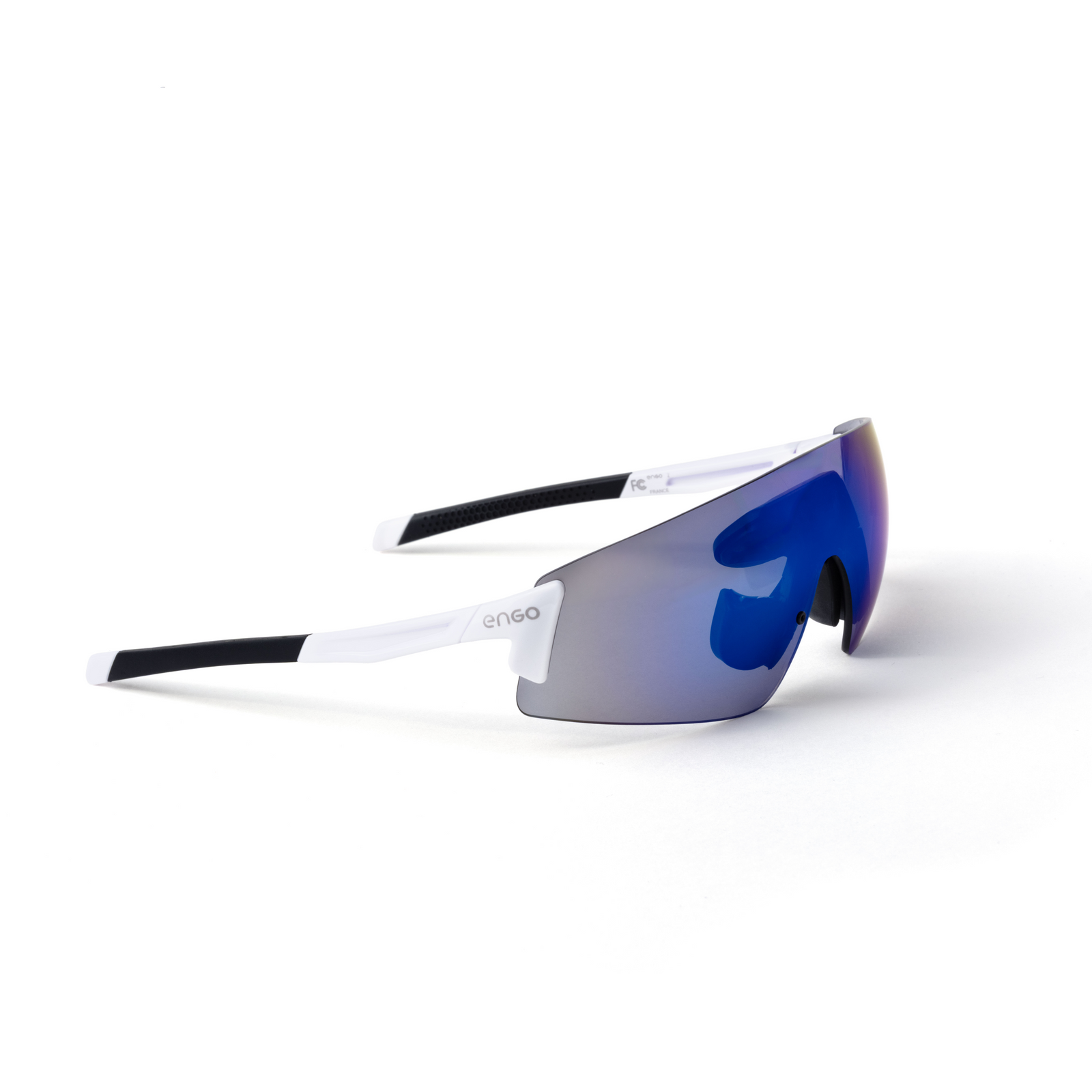
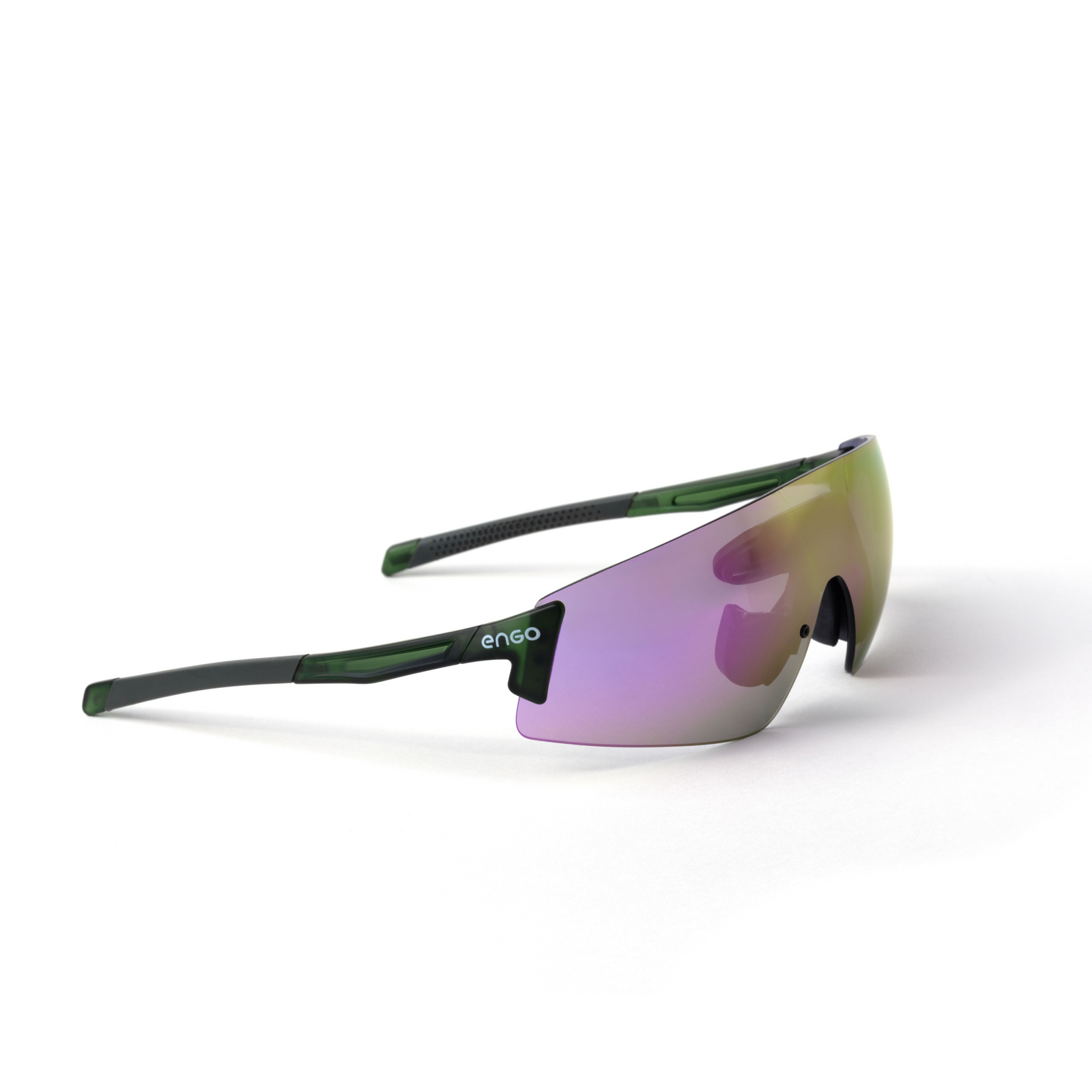
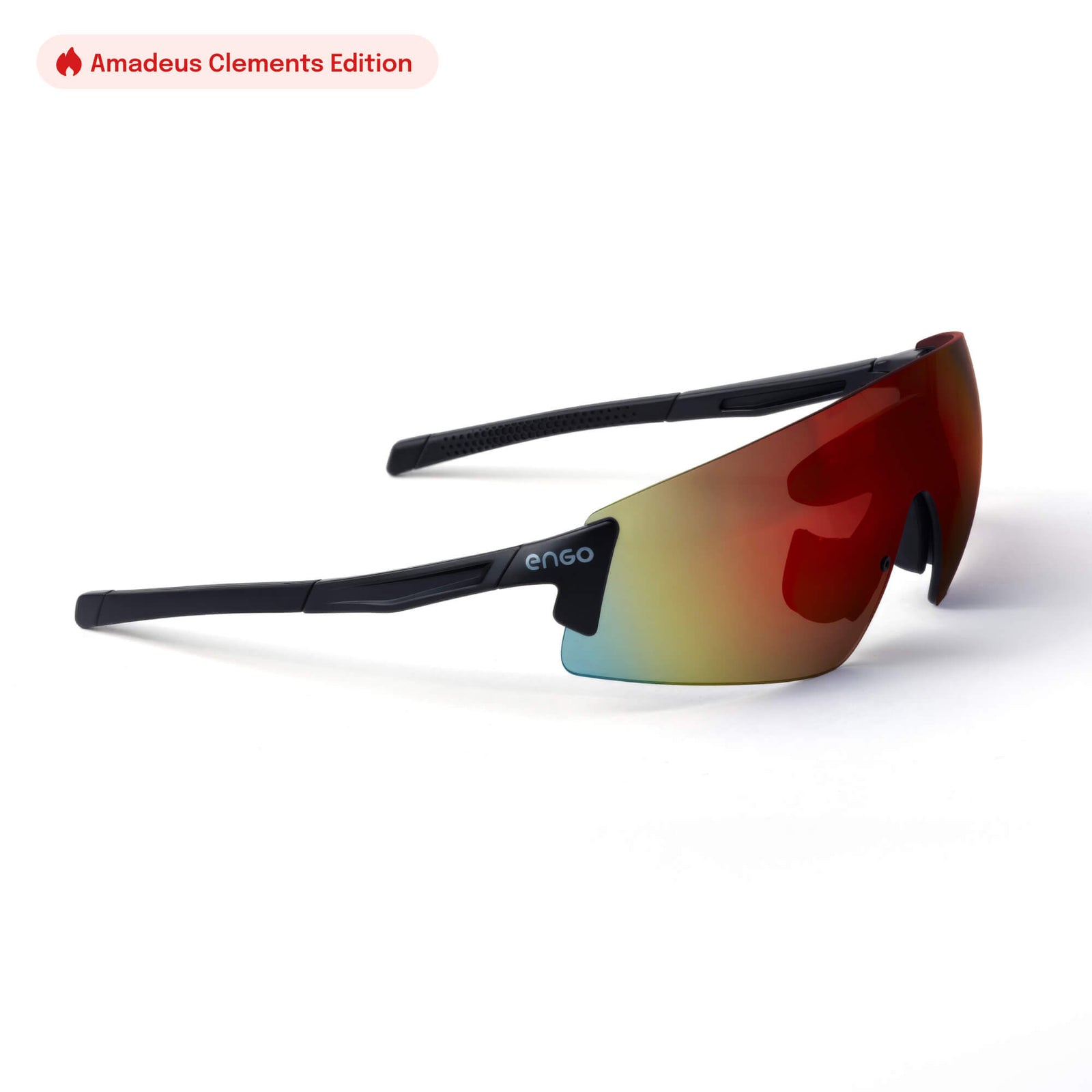
The engo3 uses fixed tinted lenses (category 3), perfect for very sunny conditions. The engo3 Photochromic features photochromic lenses that automatically adapt to light levels (cat. 0 to 3), making it ideal for changing light conditions.
Is engo3 compatible with Garmin?
Yes it is, with over 81+ models of Garmin devices, plus Apple Watch.
How is engo3 different from Meta Oakley Vanguard?
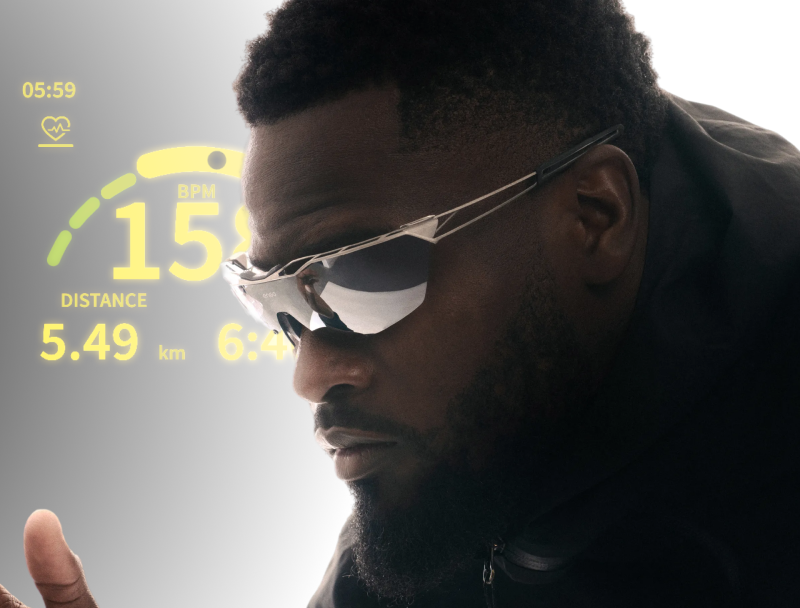
engo3 is a pure performance display built for serious runners and cyclists: a lightweight AR heads-up display (38.5g) that projects your stats (pace, heart rate, cadence, and more) right in your line of sight, with 20+ hours of battery life and no camera, music, or notifications to distract you.
The Oakley Meta Vanguard is a general-purpose smart glasses product with a built-in camera and Meta AI, giving you sport stats through voice commands or audio rather than a visual display, with about 9 hours of battery life. In short: engo3 keeps your eyes on the road and your data always visible, Vanguard is a multitasking device where sport is one feature among many.
How long does the engo3 battery last?
24+hours
Can I use engo3 for trail running or ultras?
Yes!
Does engo3 have a camera?
No, engo3 doesn't have a camera. It's built purely as a data display: no camera, no music, no notifications, just your real-time stats (pace, heart rate, cadence, etc.) projected in your field of view. That's a deliberate choice to keep it light (38.5g) and focused on performance rather than content capture.
What is the weight of engo3?
38.5 gr
Read more articles

The +11°C rule: how to actually dress for cold weather running
The science-backed rule that stops you from overdressing on cold mornings, plus a few field-tested hacks from the engo 6AM Club.
engo3 Titanium: built to disappear
500 frames. Aerospace-grade titanium, grown layer by layer, 28,9 grams total. Discover why we engineered engo3 Titanium, and why some objects are worth owning for a lifetime.

The work behind the display: three months of software updates
A note from engo's software lead on what's changed since launch, for both Garmin and Apple Watch users.

Compatible Devices
Works with most Garmin and Apple Watch. See the complete list of supported devices and third-party apps that work seamlessly with engo.
Check the compatibility of your device
Get Started in Minutes
Step-by-step instructions for pairing ENGO with your specific watch model. Clear, simple guidance to get you from unboxing to your first run in under 5 minutes.
Connect ENGO to your device
Returns
Train with engo for 30 days. If it doesn't transform your running, return it free with our prepaid label. Full refund, no questions asked, no restocking fees.
See Return Process
Questions? We're Here.
Browse our FAQ library, explore detailed setup guides, search our help database, or chat directly with our support team. Real help when you need it.
Visit Support Center