


The Marathon Wall: Understanding and Overcoming This Notorious Challenge

Sommaire
Every marathon runner has heard about it. Many have experienced it. The marathon wall isn't just a mental barrier, it's a very real physiological event that can turn a strong race into a fight for survival. Here's what actually causes it, and what you can do about it, engo3 included.
What Is the Marathon Wall?
The wall is that moment, usually somewhere between kilometer 30 and 35, when your legs seem to stop cooperating. Your pace falls apart, your form breaks down, and the finish line suddenly feels impossibly far away. It's often described in almost mythical terms, but it's rooted in straightforward physiology, and it can be managed.
The Science Behind the Wall
The wall happens primarily because of glycogen depletion. Your body stores carbohydrates as glycogen in your muscles and liver, and that's your most readily available fuel during exercise. Those stores are limited though, good for roughly 90 to 120 minutes of sustained effort. A marathon takes most runners well past that window, so by the later kilometers, glycogen is running critically low.
When glycogen runs low, your body has to shift toward burning fat for fuel. Fat stores are effectively unlimited, but converting fat into usable energy is a slower, less efficient process that demands more oxygen. That shift is what you feel as the wall: sudden fatigue, heavy legs, and a pace that falls off a cliff.
The wall isn't only about fuel, either. A drop in blood glucose affects brain function, electrolyte imbalances interfere with muscle contraction, and hours of repetitive impact leave behind real muscular damage. Physiologically, it's a pile-up, not a single failure.
How to Avoid Hitting the Wall
1. Train Your Body to Burn Fat
Training doesn't just build cardiovascular fitness, it teaches your body to use fat more efficiently as fuel. Long runs done in a glycogen-depleted state, sometimes called fasted runs, help your body learn to spare glycogen and lean on fat stores earlier in an effort.
2. Load Your Glycogen Stores
The classic carb-loading strategy, increasing carbohydrate intake for 2 to 3 days before the race, maximizes your glycogen stores going into the start line. It buys you more time before your body has to switch fuel sources.
3. Fuel During the Race
Even with full glycogen stores, a marathon will demand more carbohydrates along the way. Most experts recommend 30 to 60 grams of carbohydrates per hour during the race, through sports drinks, gels, or other easily digestible sources.
4. Start Conservatively
Starting too fast is one of the most reliable ways to hit the wall early. Every kilometer run faster than your planned pace burns through glycogen faster than planned too. A conservative first third of the race is what makes a strong last third possible.
5. Know Your Effort in Real Time
Most walls aren't built by bad training or bad fueling. They're built by pacing mistakes made in the adrenaline of race morning, when a runner who trained and fueled perfectly still goes out 15 seconds per kilometer too hot and pays for it at kilometer 32.
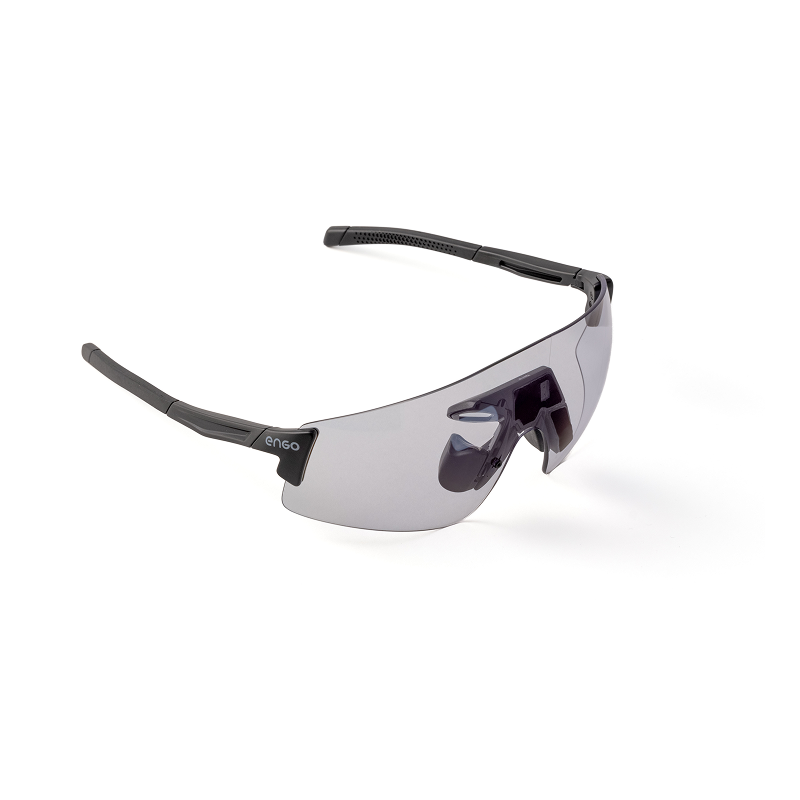
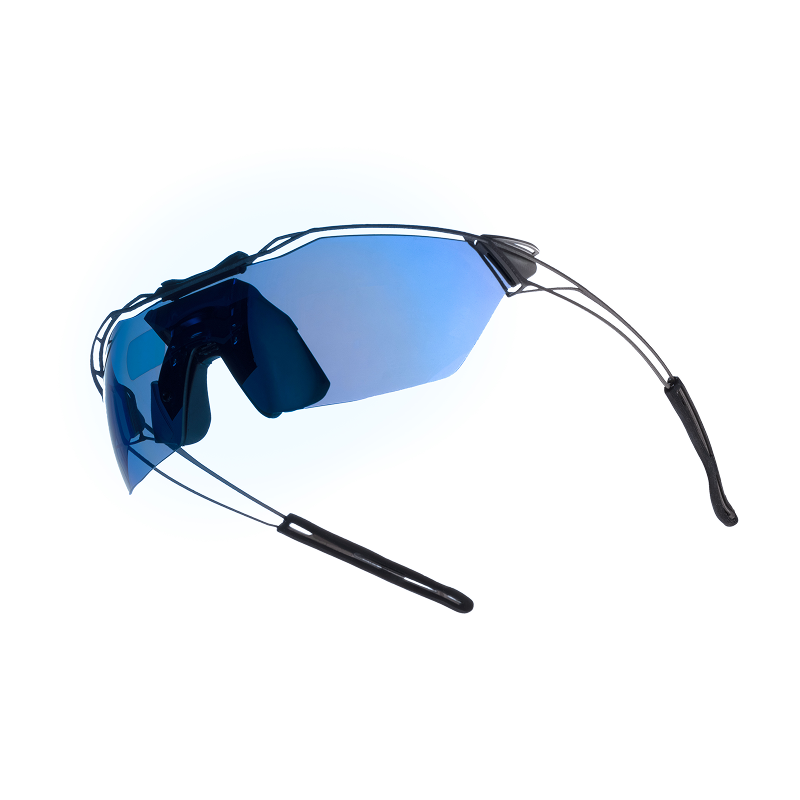
This is where engo3 earns its place in a marathon plan. Your pace, heart rate, and power stay projected directly in your line of sight, color-coded from red to green by zone, so you know the instant you're pushing harder than your race plan calls for, without ever looking down at a watch or breaking your rhythm to check. That real-time awareness, held consistently across all 42.2 kilometers, is often the difference between a controlled effort that leaves glycogen in reserve for the final 10K and an overambitious start that empties the tank by kilometer 30.
In training, engo3's structured workout mode syncs directly with your Garmin sessions and displays your pace and zone targets live on the lens, so you can rehearse the exact pacing discipline on your long runs that you'll need to hold on race day, when fatigue makes that discipline harder to trust.
Breaking Through the Wall
If you do hit the wall mid-race, all is not lost:
- Focus on form over pace
- Break the remaining distance into smaller mental chunks
- Consider alternating running and walking
- Keep taking in carbohydrates, they still help even after the wall hits
- Check your engo3 display rather than guessing, a stable, honest read of your current pace is more useful than trying to remember your goal pace from three hours ago
The Mental Component
The wall is mostly physiological, but it has a real psychological side too. Training your mind to push through discomfort, and keeping your self-talk constructive, are skills that matter just as much as glycogen management.
The marathon wall is a challenge to prepare for, not a fate to accept. With the right training, the right fueling, a disciplined pace, and real-time awareness of your effort, you can blunt its impact or avoid it altogether, and turn your next marathon from a survival story into an achievement.
Discover engo3
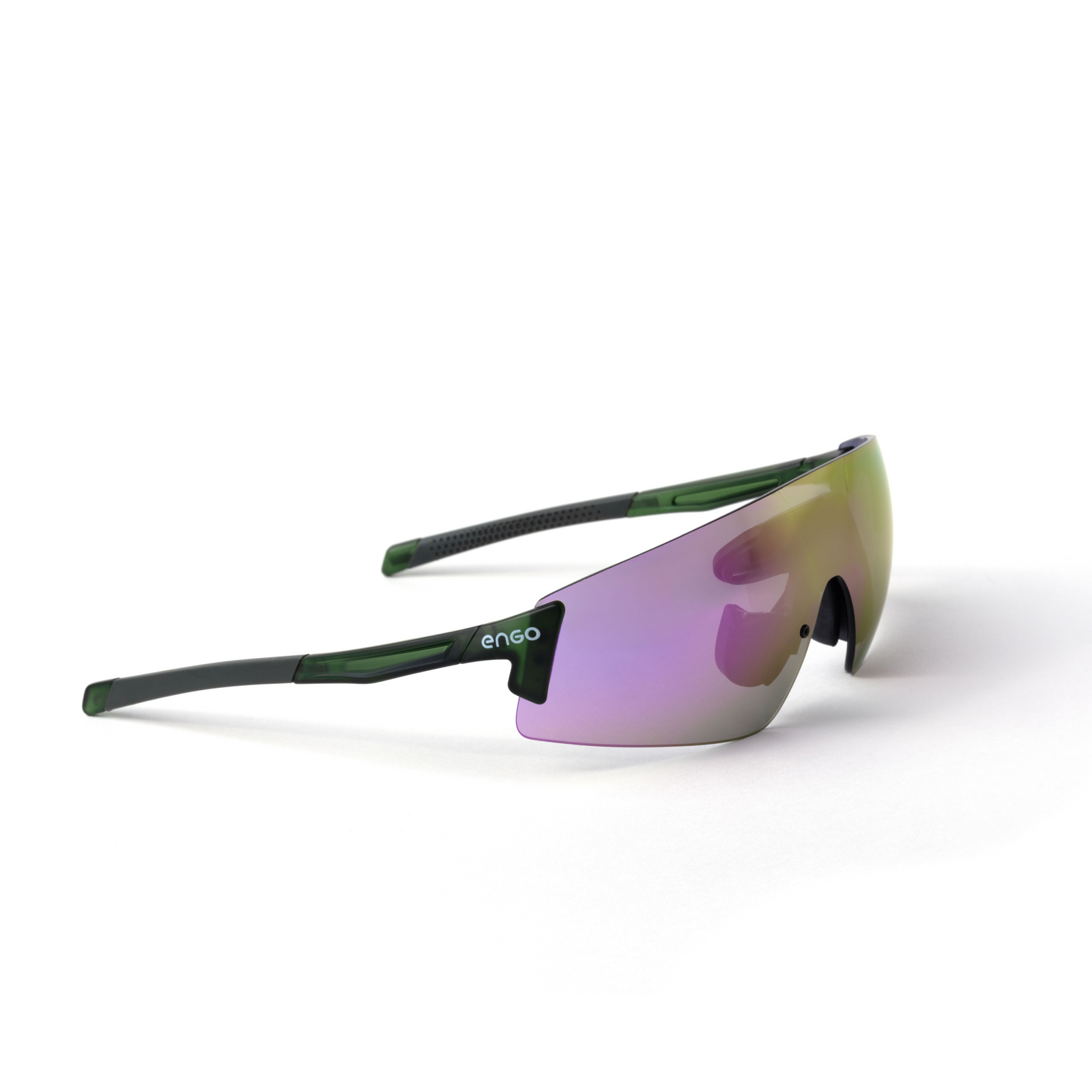

Everything runners ask, answered.
Will I even notice a difference?
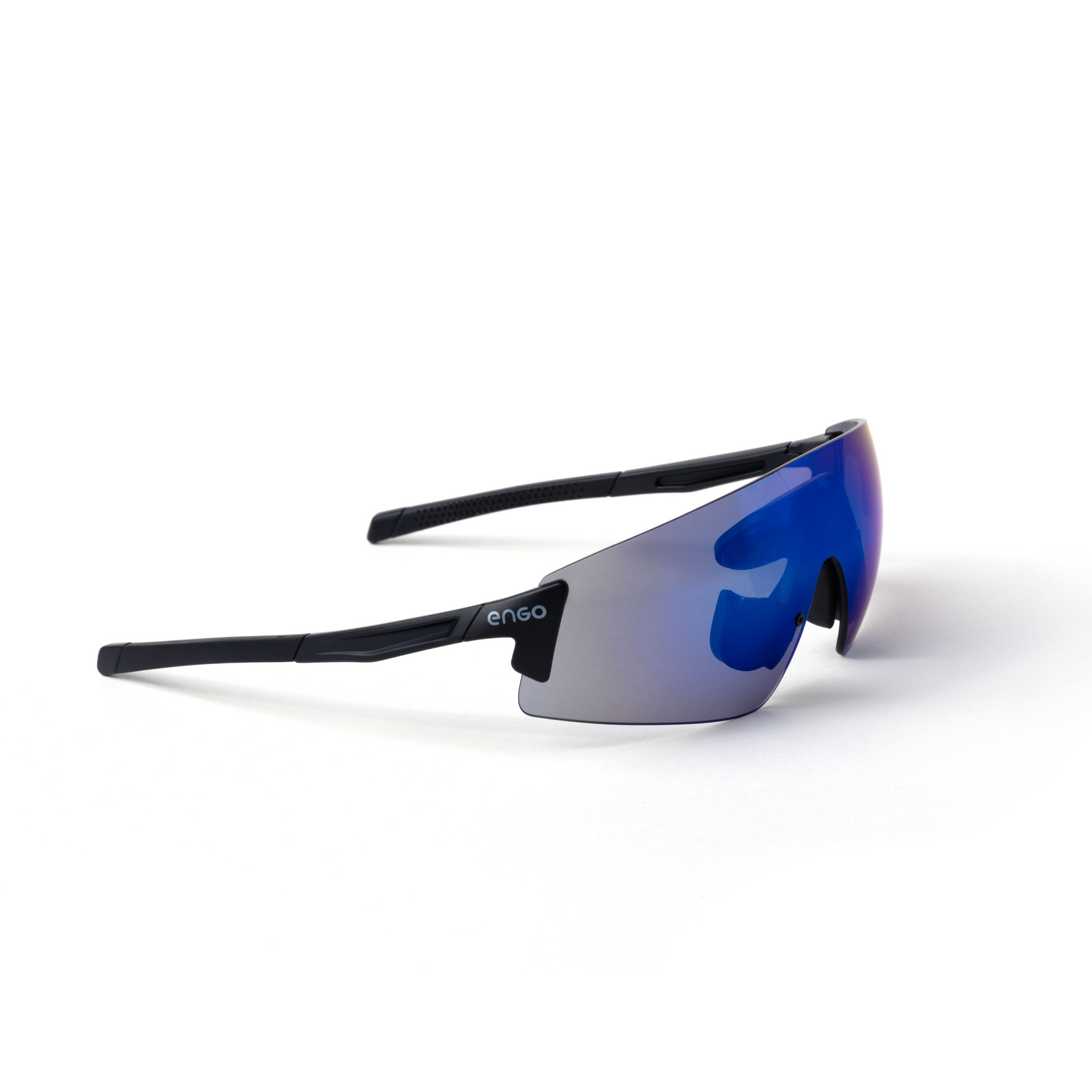
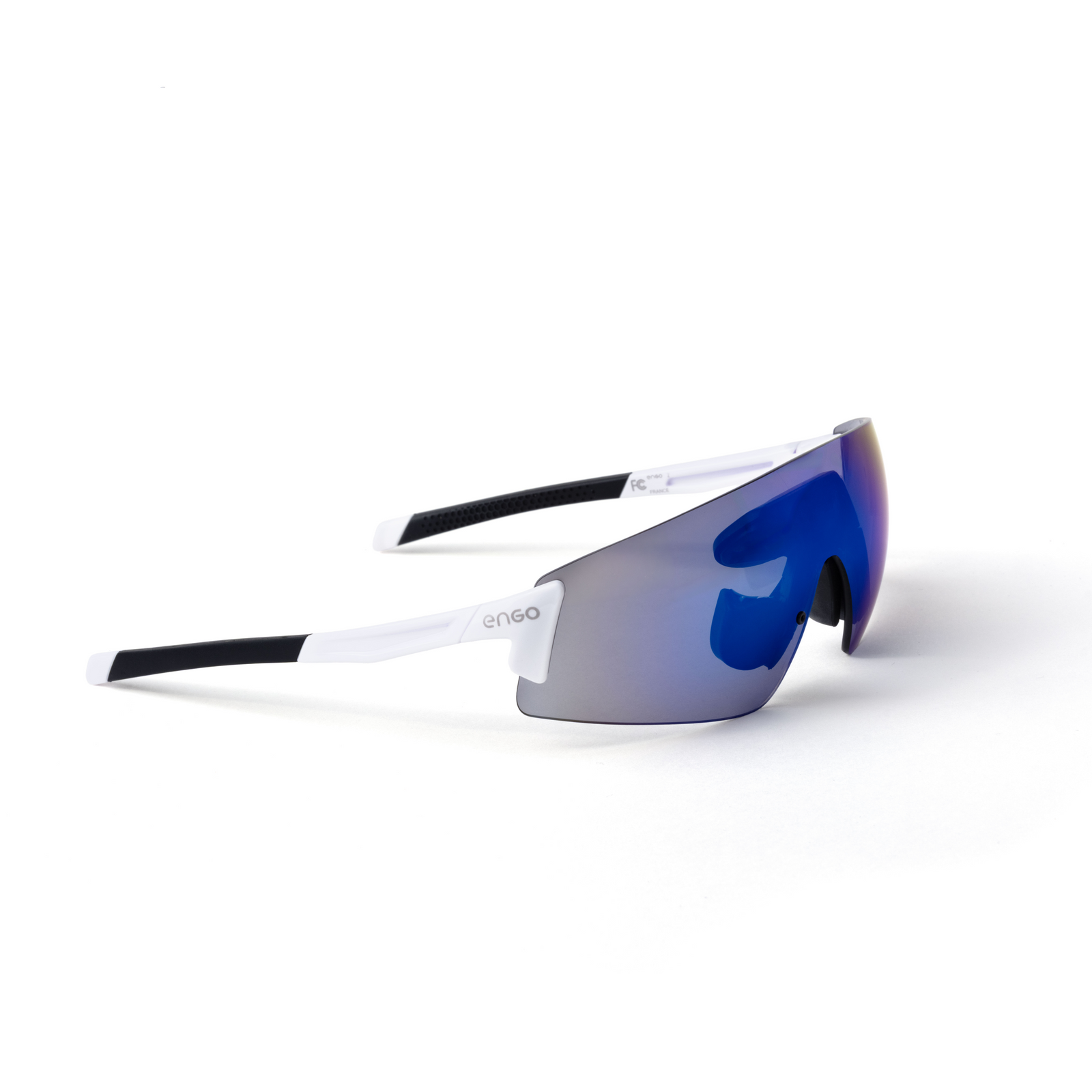
The engo3 uses fixed tinted lenses (category 3), perfect for very sunny conditions. The engo3 Photochromic features photochromic lenses that automatically adapt to light levels (cat. 0 to 3), making it ideal for changing light conditions.
Is engo3 compatible with Garmin?
Yes it is, with over 81+ models of Garmin devices, plus Apple Watch.
How is engo3 different from Meta Oakley Vanguard?
engo3 is a pure performance display built for serious runners and cyclists: a lightweight AR heads-up display (38.5g) that projects your stats (pace, heart rate, cadence, and more) right in your line of sight, with 20+ hours of battery life and no camera, music, or notifications to distract you.
The Oakley Meta Vanguard is a general-purpose smart glasses product with a built-in camera and Meta AI, giving you sport stats through voice commands or audio rather than a visual display, with about 9 hours of battery life. In short: engo3 keeps your eyes on the road and your data always visible, Vanguard is a multitasking device where sport is one feature among many.
How long does the engo3 battery last?
24+hours
Can I use engo3 for trail running or ultras?
Yes!
Does engo3 have a camera?
No, engo3 doesn't have a camera. It's built purely as a data display: no camera, no music, no notifications, just your real-time stats (pace, heart rate, cadence, etc.) projected in your field of view. That's a deliberate choice to keep it light (38.5g) and focused on performance rather than content capture.
What is the weight of engo3?
38.5 gr
Read more articles

The +11°C rule: how to actually dress for cold weather running
The science-backed rule that stops you from overdressing on cold mornings, plus a few field-tested hacks from the engo 6AM Club.
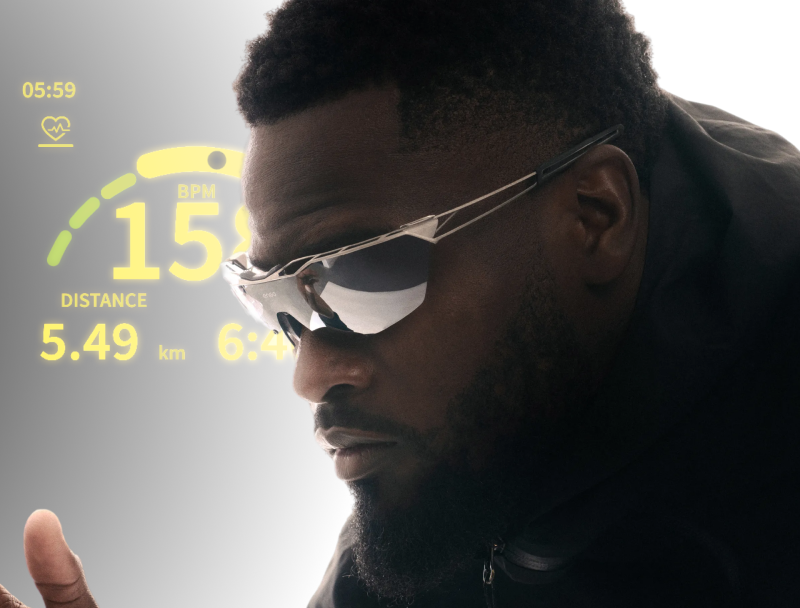
engo3 Titanium: built to disappear
500 frames. Aerospace-grade titanium, grown layer by layer, 28,9 grams total. Discover why we engineered engo3 Titanium, and why some objects are worth owning for a lifetime.

The work behind the display: three months of software updates
A note from engo's software lead on what's changed since launch, for both Garmin and Apple Watch users.
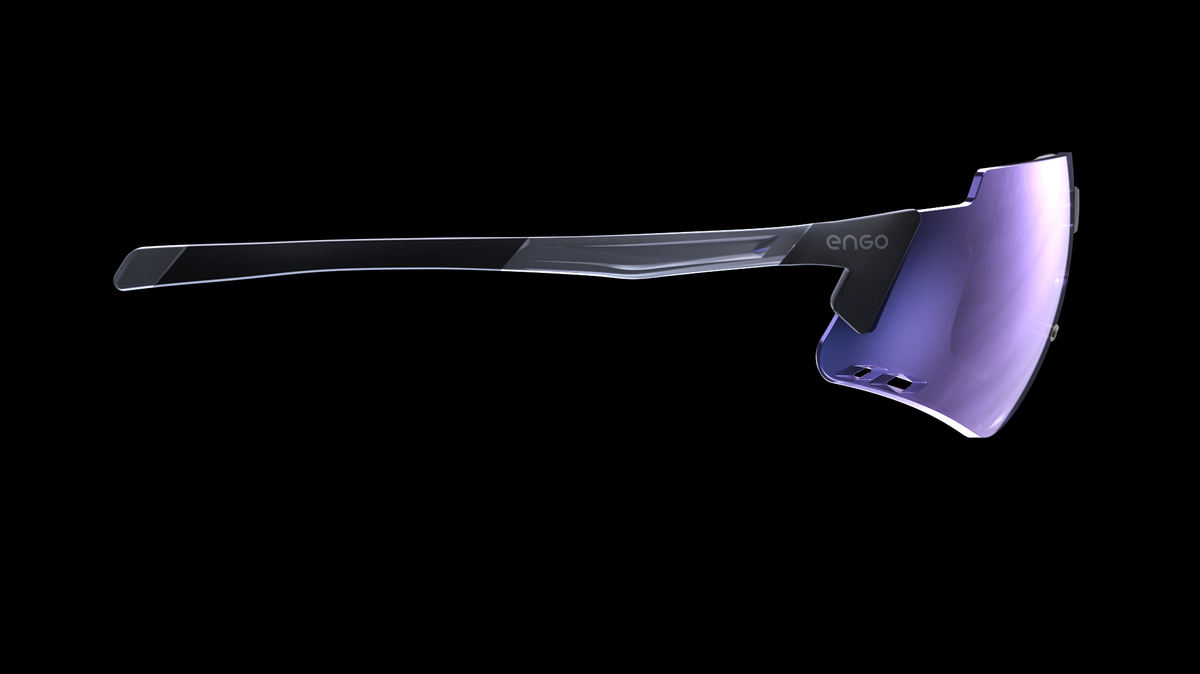

Compatible Devices
Works with most Garmin and Apple Watch. See the complete list of supported devices and third-party apps that work seamlessly with engo.
Check the compatibility of your device
Get Started in Minutes
Step-by-step instructions for pairing ENGO with your specific watch model. Clear, simple guidance to get you from unboxing to your first run in under 5 minutes.
Connect ENGO to your device
Returns
Train with engo for 30 days. If it doesn't transform your running, return it free with our prepaid label. Full refund, no questions asked, no restocking fees.
See Return Process
Questions? We're Here.
Browse our FAQ library, explore detailed setup guides, search our help database, or chat directly with our support team. Real help when you need it.
Visit Support Center