


Amadeus Clements
Sommaire
Amadeus Clements: Greek National Record Holder, on the Road to Athens Marathon Glory
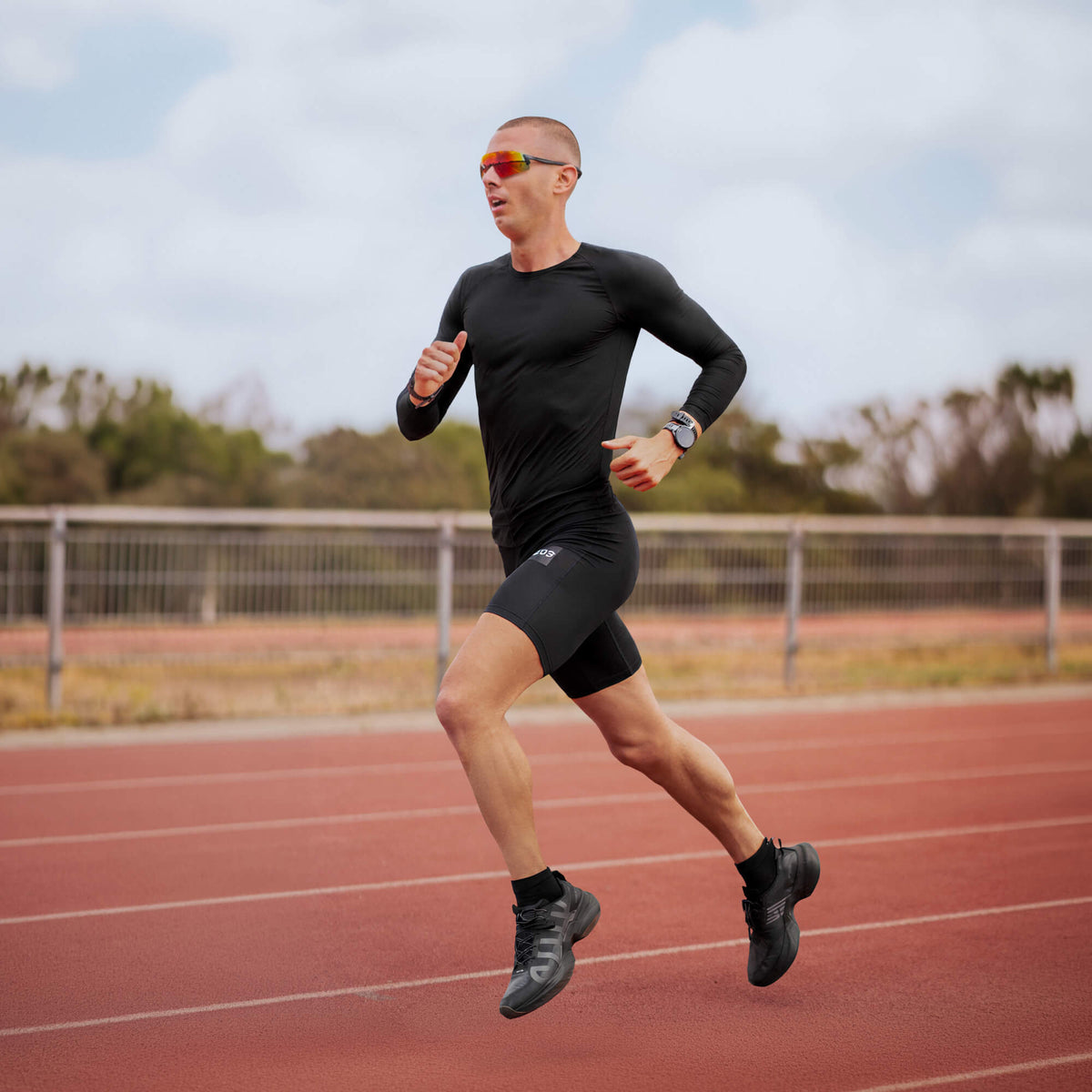
This season marks Amadeus Clements's return to the start line with one target in mind. After a first season marked by personal records and an injury that required months of rehabilitation, the Greek national record holder went back to Iten, Kenya, in May 2026 to rebuild his training around the best marathon runners in the world. His focus now is singular: the Athens Marathon on November 9th, 2026, and the Greek Marathon Championship title.
The target
Amadeus's goal is precise: 2:14:59, the time needed to win the Greek Marathon Championship at Athens. It follows a personal best of 2:28:51 at the Hannover Marathon in 2025, where he finished 36th overall. Closing that gap means racing significantly faster per kilometer, a jump built on altitude training, a detailed pacing strategy, and daily sessions alongside the best distance runners on the planet.
Training in the world capital of marathon running
Amadeus moved to Iten because it is, in his words, the greatest place in the world for anyone who wants to become a champion in distance running. The altitude, around 2,400 meters, forces the body to adapt, work harder, and unlock a new level of aerobic power that translates directly into faster racing at sea level. The weather stays consistent year round, and the soft, endless red dirt roads are gentle enough to support high mileage without breaking the body down.
But for Amadeus, the most powerful factor isn't the environment. It's the people. Training every day alongside the greatest runners on the planet pushes him, challenges him, and raises his standards. Every session becomes a race. Every race makes him stronger. Life in Iten is simple: healthy food, few distractions, and a lifestyle built entirely around what matters, training well, recovering well, and becoming the best version of himself.
Racing the course, kilometer by kilometer
To reach 2:14:59, Amadeus has built a detailed race pace plan mapped to the Athens course, which varies significantly from start to finish. The first half stays locked into a pace just under 3:11 per kilometer on the flat roads out of Tambach Stadium. Then comes the defining stretch: 12 kilometers uphill from Tambach to Iten, where the target pace shifts between 3:11 and 3:24 per kilometer depending on the gradient. The race finishes with a fast downhill section that calls for around 3:03 per kilometer.
Training with engo
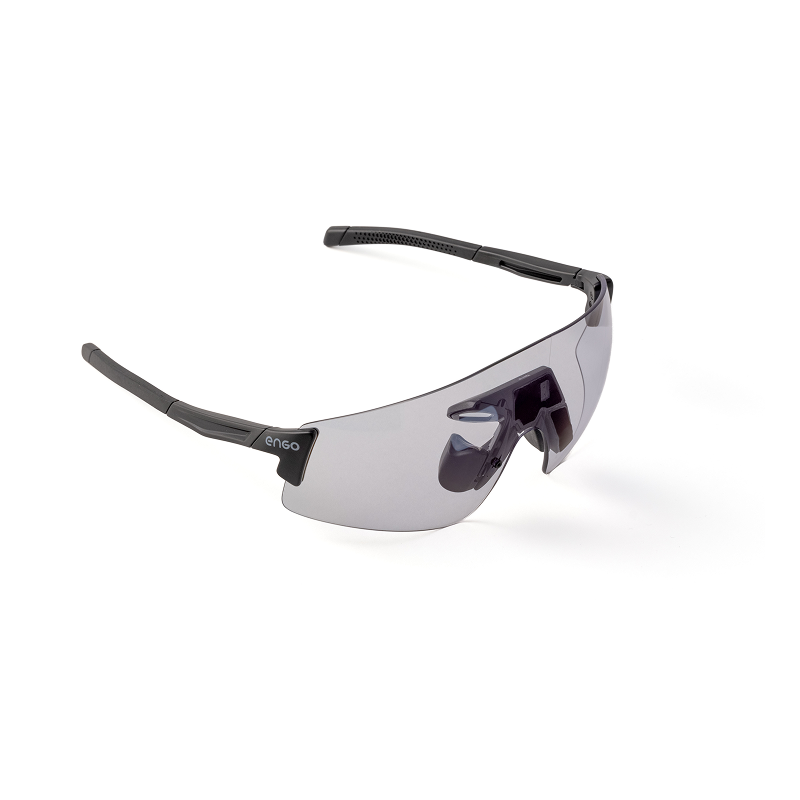
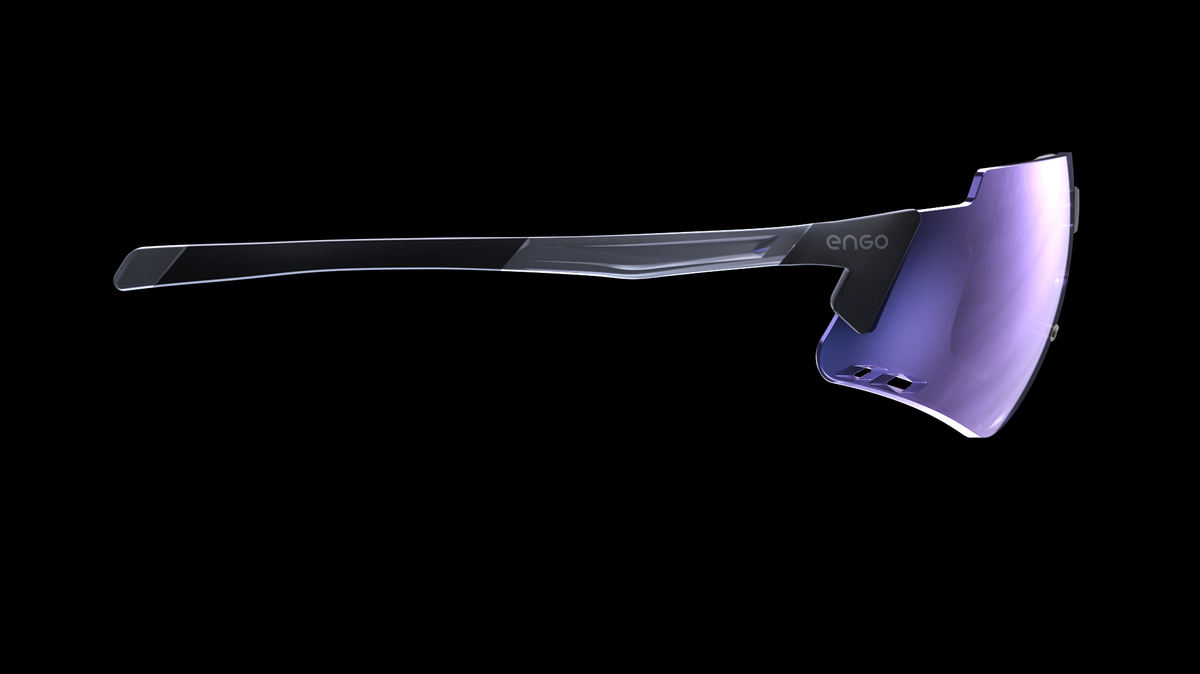
ENGO is central to executing that plan with precision, especially given how much the Athens course profile varies. Amadeus uses it to simulate the race in training, particularly during long runs: holding rhythm on the flat at Tambach Stadium, managing effort on the climb back to Iten, and practicing the fast finish on the descent from Iten to Kessup. It lets him run with his head up, hitting the correct pace at every kilometer without ever losing the rhythm of the runners around him.
In his own words:
"ENGO is essential, both in training and on race day. It lets me run freely without ever losing the rhythm of the runners around me. I have a constant view of my pace, so I stay locked onto my target with every stride."
Amadeus Clements, Greek national record holder, engo athlete
What's changed
The biggest change has been precision. Amadeus no longer loses seconds glancing down at his watch mid-session, and having a constant view of his pace keeps him locked onto his target, kilometer after kilometer, whatever the gradient. For a margin as tight as his, that precision is what turns a race pace plan into a result on the day.
His advice to athletes on the fence
"If you really want to hit the fastest paces your body is capable of, ENGO is a must have. Training in Iten with the best runners in the world, using ENGO to execute a precise pace strategy: this is how I'm preparing to win the Athens Marathon Greek Championship. 2:14:59. November 9th. Watch."
Discover engo3
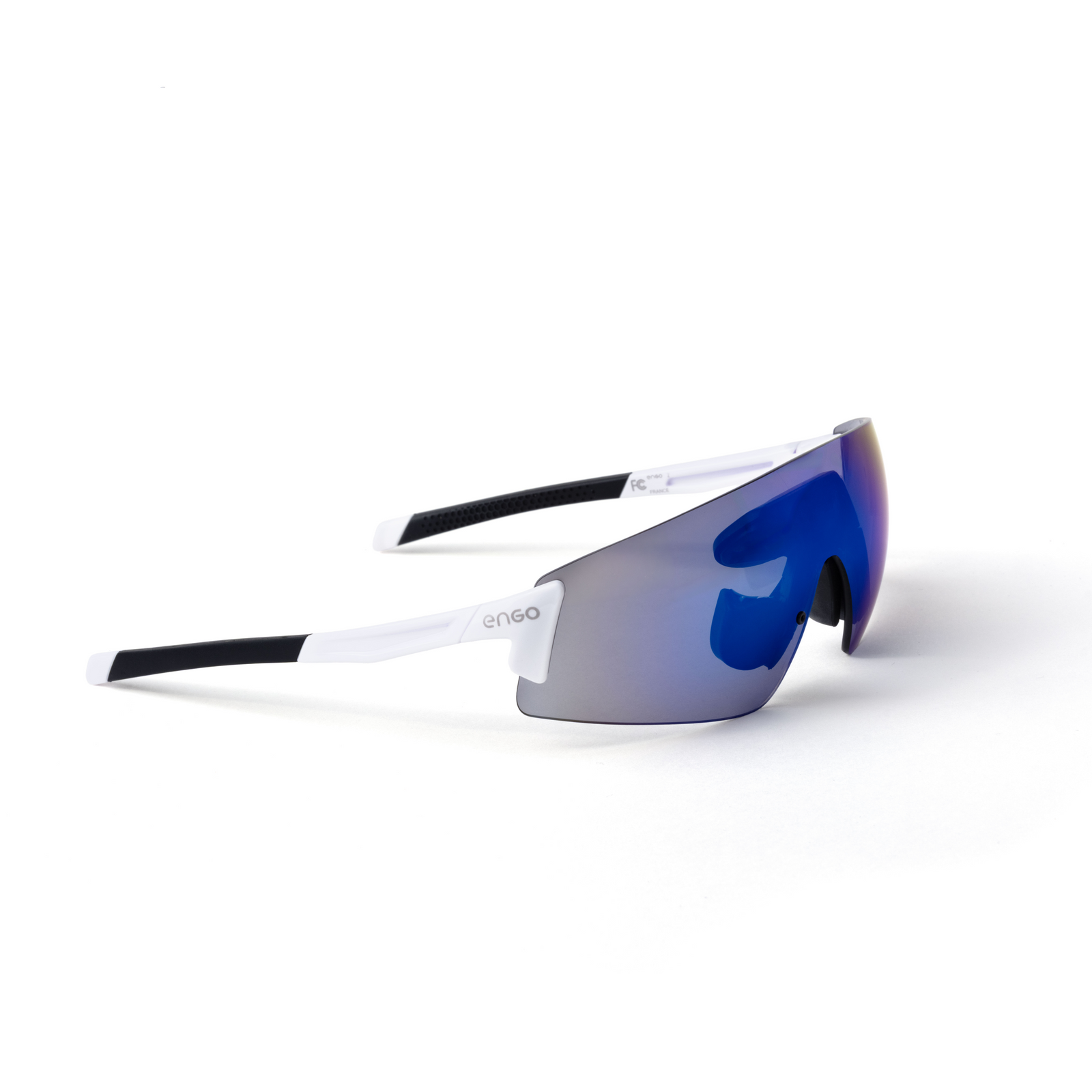
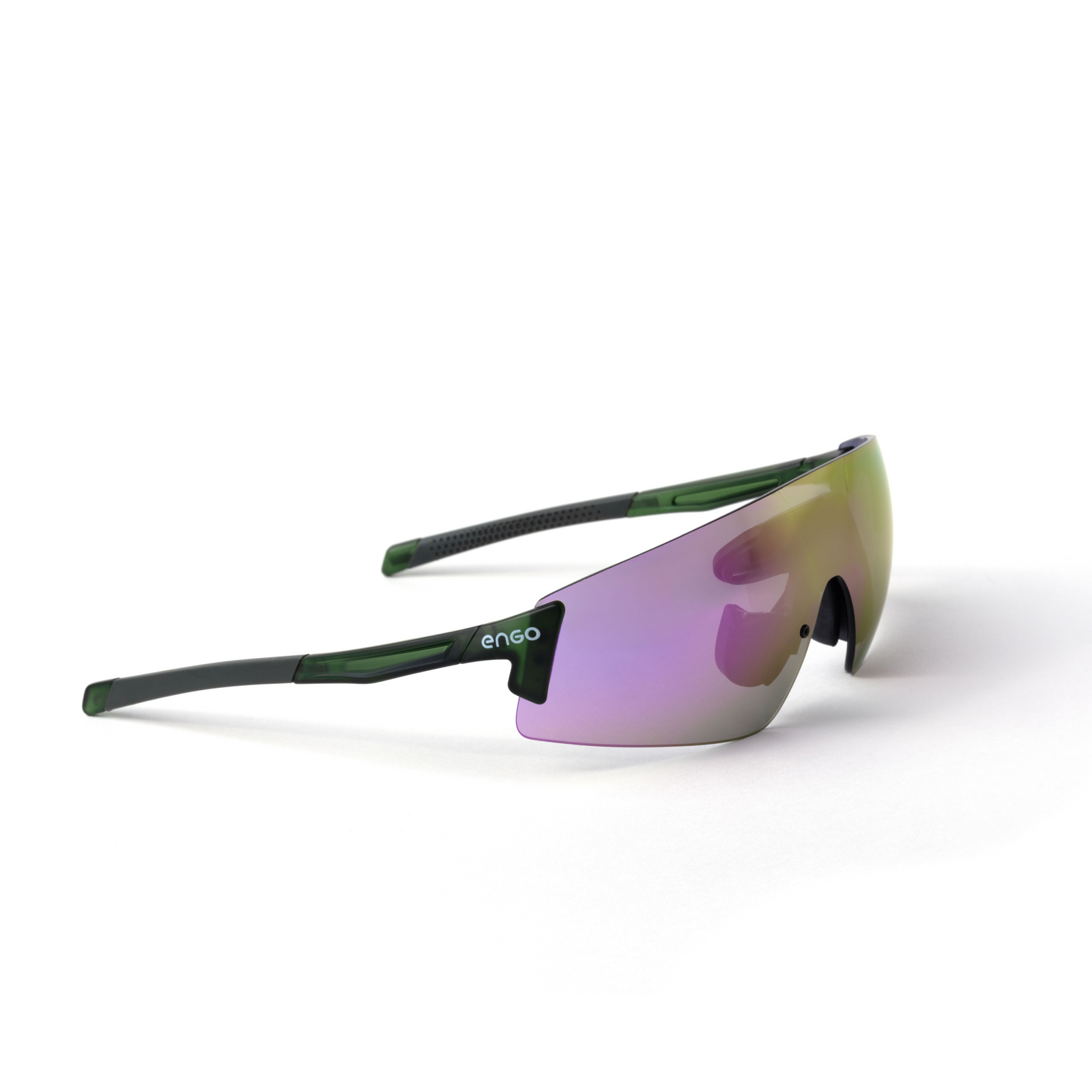
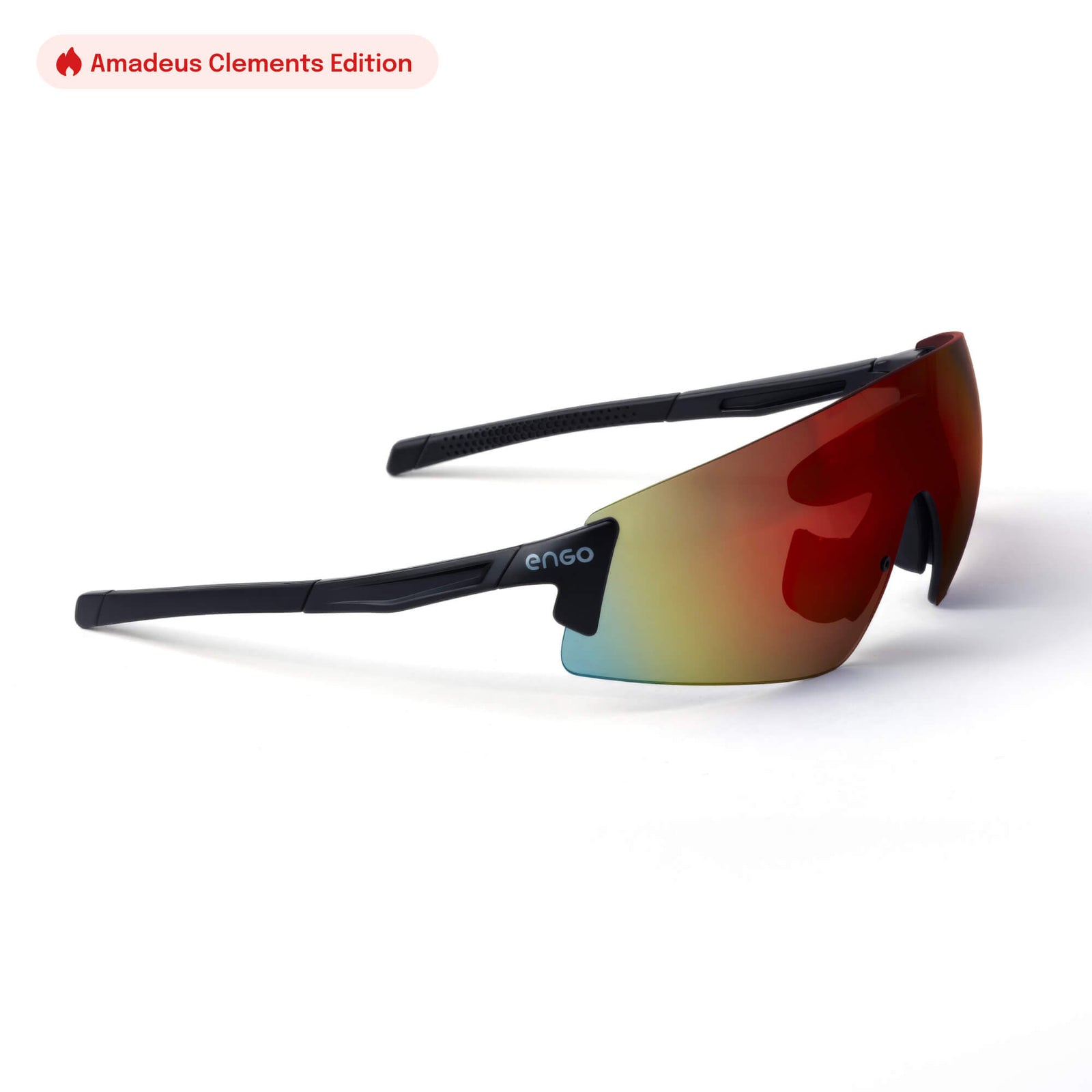
Everything runners ask, answered.
Will I even notice a difference?
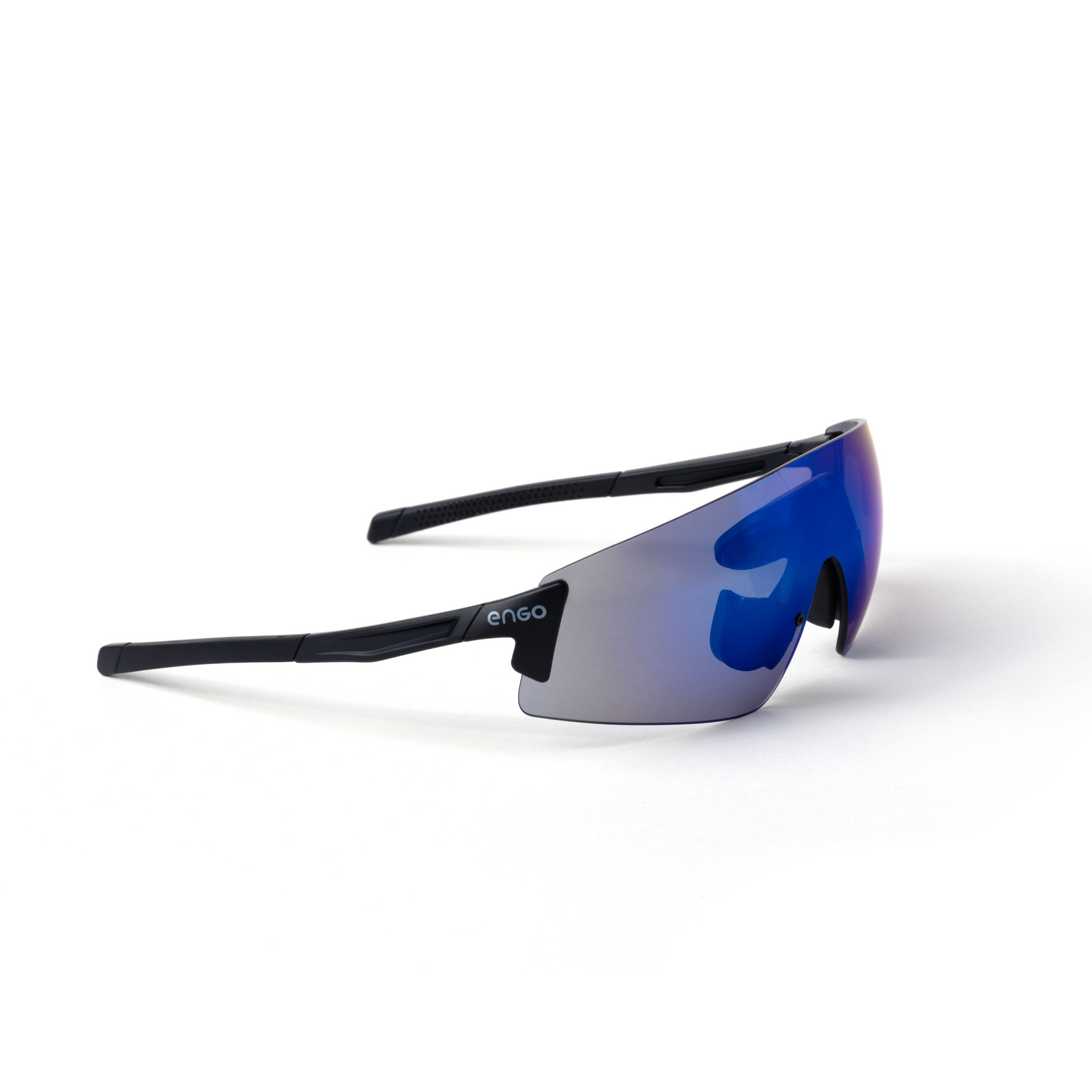
The engo3 uses fixed tinted lenses (category 3), perfect for very sunny conditions. The engo3 Photochromic features photochromic lenses that automatically adapt to light levels (cat. 0 to 3), making it ideal for changing light conditions.
Is engo3 compatible with Garmin?
Yes it is, with over 81+ models of Garmin devices, plus Apple Watch.
How is engo3 different from Meta Oakley Vanguard?
engo3 is a pure performance display built for serious runners and cyclists: a lightweight AR heads-up display (38.5g) that projects your stats (pace, heart rate, cadence, and more) right in your line of sight, with 20+ hours of battery life and no camera, music, or notifications to distract you.
The Oakley Meta Vanguard is a general-purpose smart glasses product with a built-in camera and Meta AI, giving you sport stats through voice commands or audio rather than a visual display, with about 9 hours of battery life. In short: engo3 keeps your eyes on the road and your data always visible, Vanguard is a multitasking device where sport is one feature among many.
How long does the engo3 battery last?
24+hours
Can I use engo3 for trail running or ultras?
Yes!
Does engo3 have a camera?
No, engo3 doesn't have a camera. It's built purely as a data display: no camera, no music, no notifications, just your real-time stats (pace, heart rate, cadence, etc.) projected in your field of view. That's a deliberate choice to keep it light (38.5g) and focused on performance rather than content capture.
What is the weight of engo3?
38.5 gr
Read more articles

The +11°C rule: how to actually dress for cold weather running
The science-backed rule that stops you from overdressing on cold mornings, plus a few field-tested hacks from the engo 6AM Club.
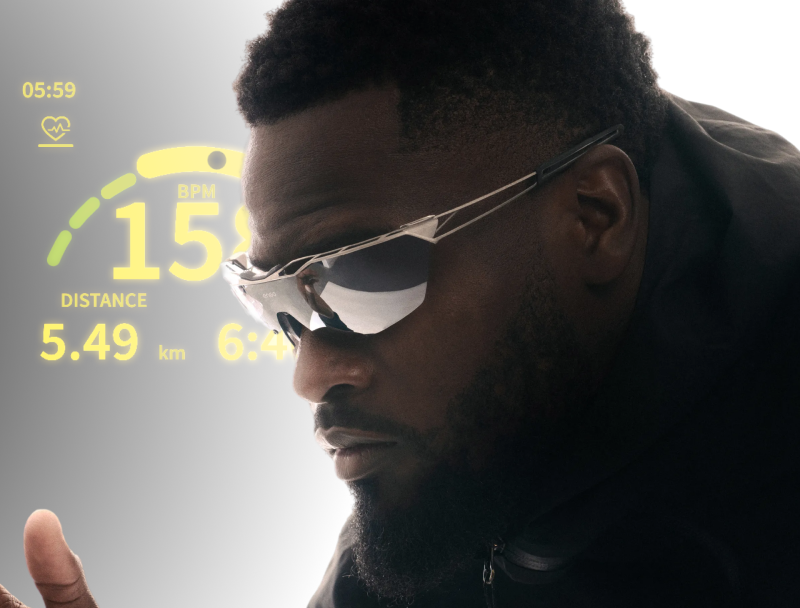
engo3 Titanium: built to disappear
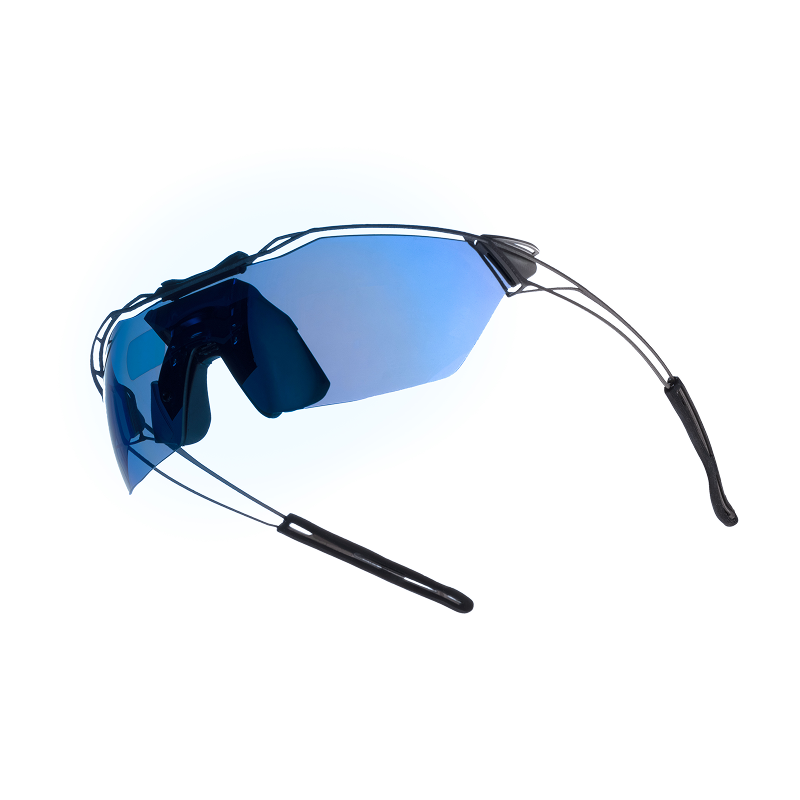
500 frames. Aerospace-grade titanium, grown layer by layer, 28,9 grams total. Discover why we engineered engo3 Titanium, and why some objects are worth owning for a lifetime.

The work behind the display: three months of software updates
A note from engo's software lead on what's changed since launch, for both Garmin and Apple Watch users.

Compatible Devices
Works with most Garmin and Apple Watch. See the complete list of supported devices and third-party apps that work seamlessly with engo.
Check the compatibility of your device
Get Started in Minutes
Step-by-step instructions for pairing ENGO with your specific watch model. Clear, simple guidance to get you from unboxing to your first run in under 5 minutes.
Connect ENGO to your device
Returns
Train with engo for 30 days. If it doesn't transform your running, return it free with our prepaid label. Full refund, no questions asked, no restocking fees.
See Return Process
Questions? We're Here.
Browse our FAQ library, explore detailed setup guides, search our help database, or chat directly with our support team. Real help when you need it.
Visit Support Center