


"I came to Kenya because it's the best place to train if you want to become a champion."
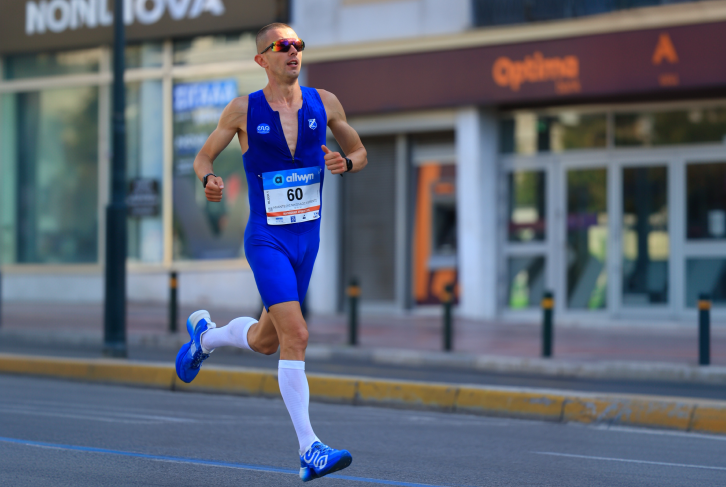
Amadeus Clements has spent months in Iten preparing for the Athens Marathon. Most of what he does there is not spectacular. It is the same simple routine, repeated every day. Here is one of them: an easy day.
Wake up: nine hours of sleep
"Good morning, I've slept for about nine hours."
For Amadeus, sleep is not what happens between sessions. It is part of training. Most of the repair work from hard sessions happens while you sleep, and the higher the training load, the more sleep the body asks for. In Iten, with few distractions and early nights, nine hours is normal.
Morning: an easy run and a bike session
The plan for the day: a 14 km easy run, then 1 hour 15 minutes on the bike.
The Kenyan way is to run hard on most days of the week. That is exactly why easy days stay easy. They let the body absorb the hard sessions instead of piling more fatigue on top.
The bike adds aerobic work without the impact of running. It is a habit Amadeus kept from his months of cross-training during his injury.
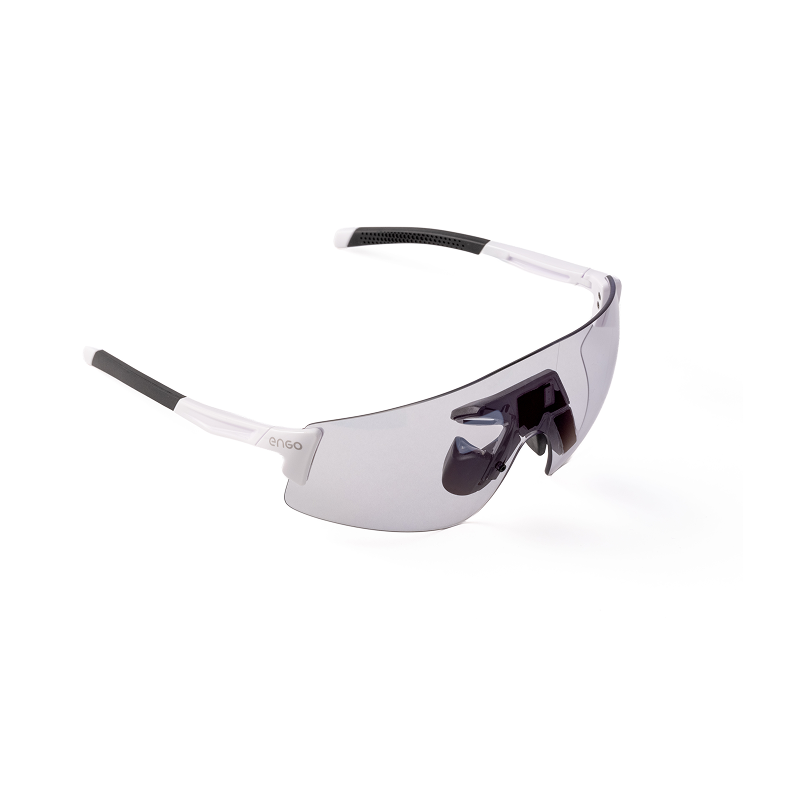
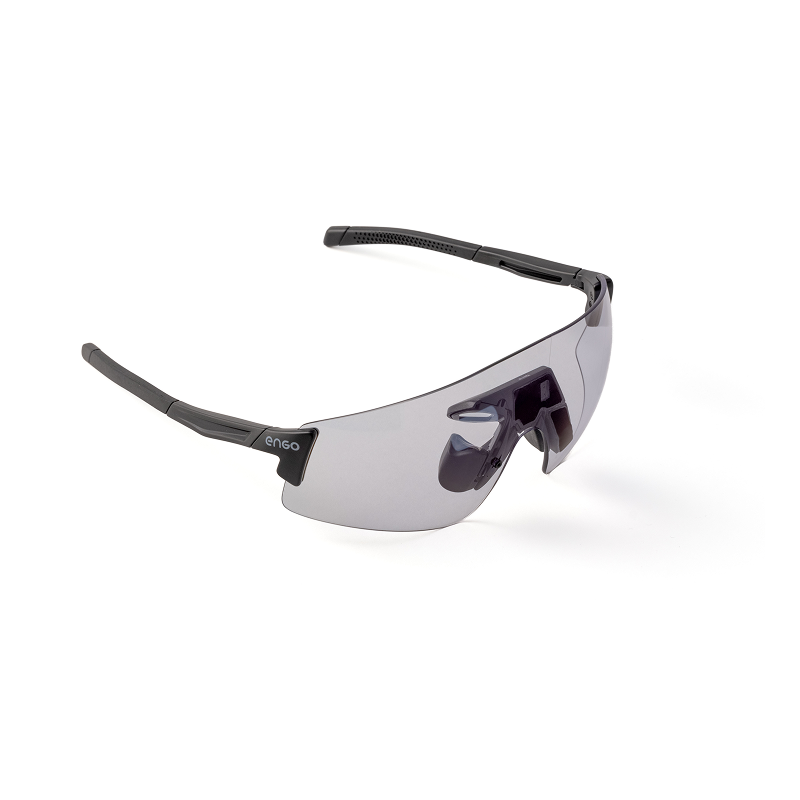
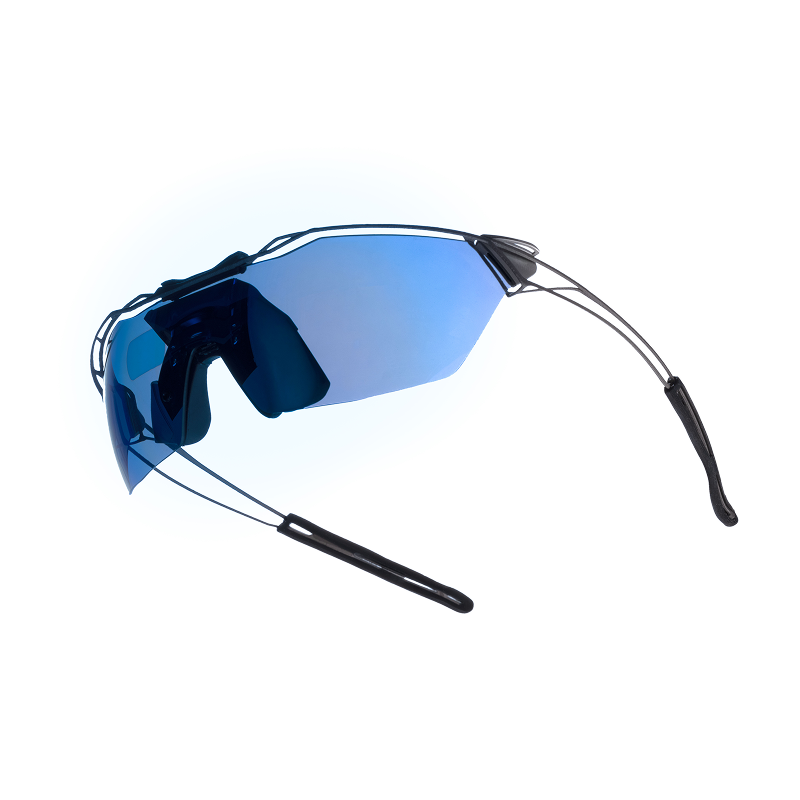
He runs with his engo glasses. On the rocky roads around Iten, he wants his data in his field of view and his eyes on the ground. "Getting better, getting faster, getting stronger."
Lunch: refuel
Lunch is simple and generous:
- Bread with honey, marmalade and peanut butter
- An omelette
- Beetroot
- Kenyan tea
- Chocolate milk
- Electrolytes and supplements
There is a logic to the plate. Bread, honey and marmalade bring the carbohydrates that refill glycogen stores after training. Eggs and milk bring protein to repair muscle. Chocolate milk is a classic recovery drink among endurance athletes for that reason: carbs and protein in one glass. Beetroot is rich in nitrates, which some research links to more efficient muscle work during endurance exercise. And electrolytes replace what he loses in sweat, at altitude, in the sun.
Afternoon: sun, rest and visualization
After lunch, the pace of the day drops. Amadeus sits in the sun, still wearing his engo. "I just love them for style as well."
Then he lies down for an hour. Not just to sleep. "I'm visualizing breaking records, cutting tape, just being Amadeus in races."
Visualization is a tool many athletes use: rehearsing a race in your head, the start, the hard moments, the finish, so that race day feels familiar. For Amadeus, it is part of the routine, like the run and the bike.
Evening: prepare for the next session
Before the weekend, he puts his glasses on charge. "It's actually got a really good battery life, but just in case, because we got a long run on Sunday."
It is a small habit that every marathoner should copy. The night before a long run or a race, check your devices, your fuel and your kit. Nothing should be left to chance on the morning of a key session.
What you can borrow from a day in Iten
You probably cannot sleep nine hours and nap every afternoon. You can still take the principles home.
- Protect your sleep in heavy training weeks. It is where adaptation happens.
- Keep easy days easy, so your hard days can be hard.
- Eat soon after training, with carbohydrates and protein. Chocolate milk works.
- Rest when you can, even 20 minutes with your eyes closed.
- Visualize your race: the start, your hardest section, the finish.
- Prepare the night before a key session: charge, fuel, kit.
Iten does not have a secret. It has a routine, and the discipline to repeat it.
The 2026 Athens Marathon takes place on Sunday, November 8. Follow Amadeus's final steps in the Road to Athens series on YouTube.