


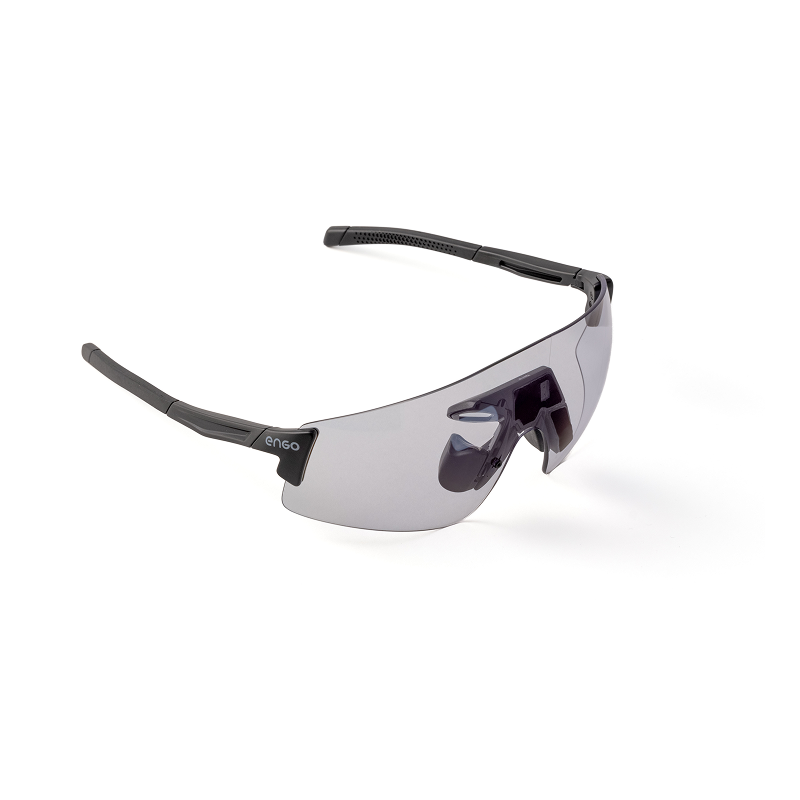
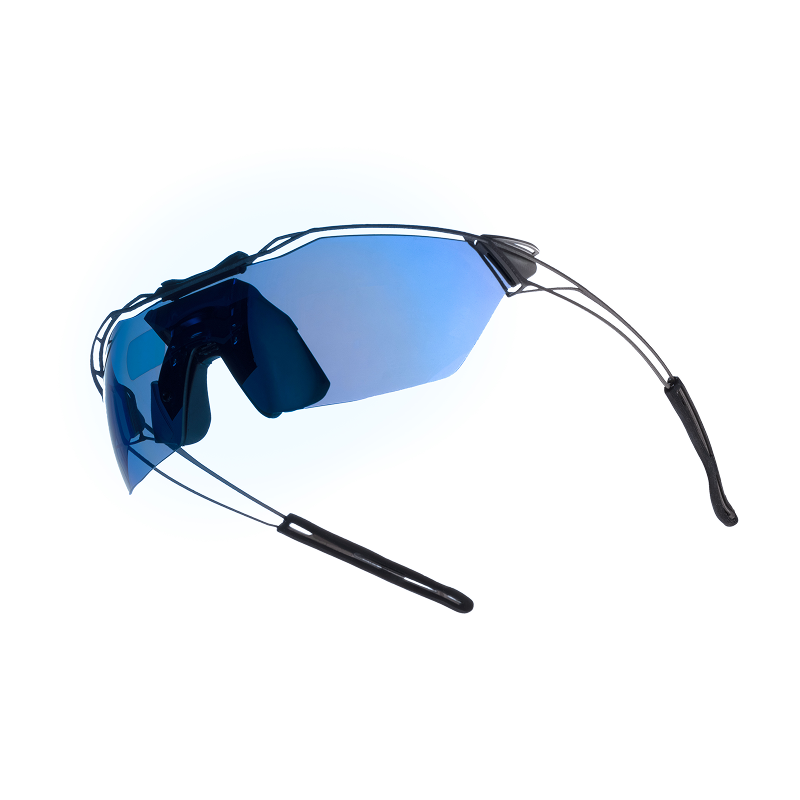
What you see changes how you run
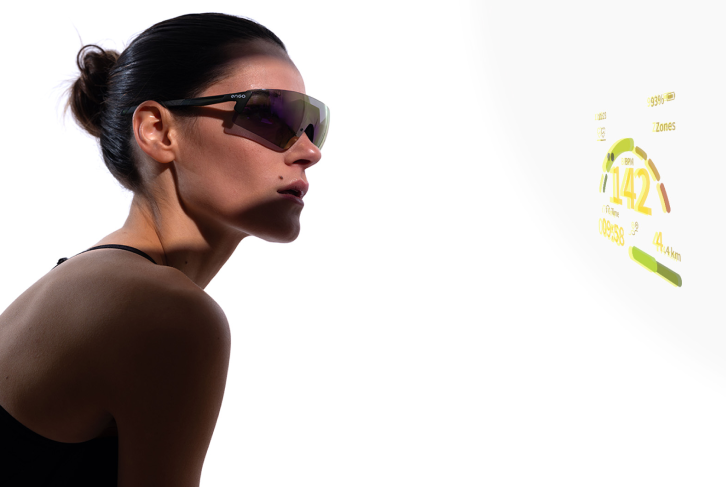
Here's something coaches know that most runners don't.
The athletes who perform best in races aren't the ones tracking the most data. They're the ones who figured out which two or three numbers actually change their behavior, and ignored everything else.
Pace and heart rate for some. Power and cadence for others. There's no universal answer. There's only your answer.
That's why we built the datascreen editor the way we did. Not to give you a default setup and call it done. To give you a blank canvas and let you decide what goes on it. Here's how.
Build your perfect datascreen in six steps

Step 1, open the datascreen editor. In the engo companion app, tap Screen Set to start building your screens.
Step 2, choose a starting point. Not sure which data suits you best? Start with the default screens to get a feel for the glasses. You can always customize later.
Step 3, create or edit a screen. Tap the default screen to edit it, or tap Add Screen to create a new one. Name your screen and select your sport: any sport, running, or cycling.
Step 4, pick your layout. Choose how many widgets you want on your screen, up to six per screen.
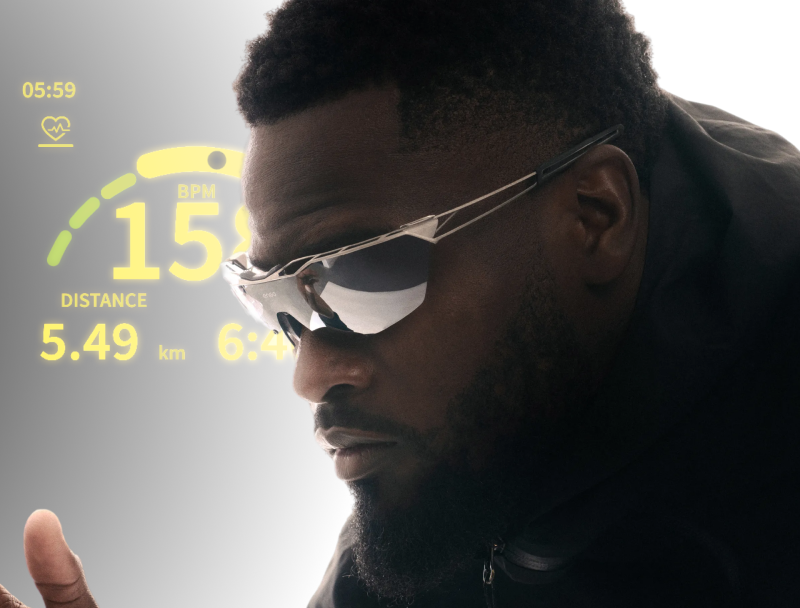
Step 5, add your metrics. Tap the plus sign to add a widget to each space. Choose from core metrics, heart rate, power, and more. Your changes appear on your engo3 in real time. 40+ metrics available.
Step 6, save your screen. Tap Save Screen to lock in your setup for your next session.
Not sure where to start?
A simple setup that works for most runners: pace, heart rate, distance. Add power if you're on the bike. Strip it back to one metric if you're running by feel.
The takeaway
The right screen isn't the one with the most data. It's the one you actually use.
Discover engo3
Everything runners ask, answered.
Will I even notice a difference?
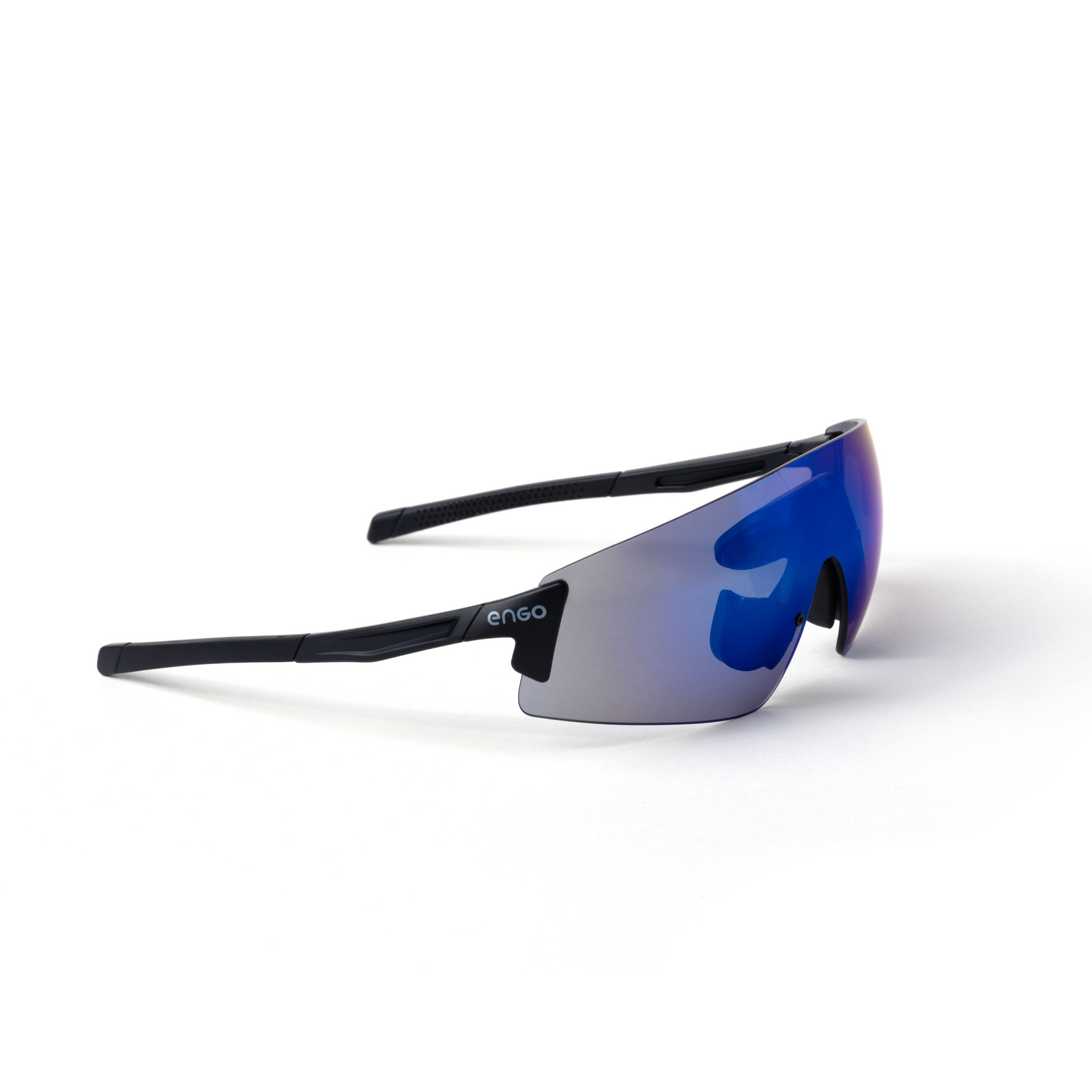
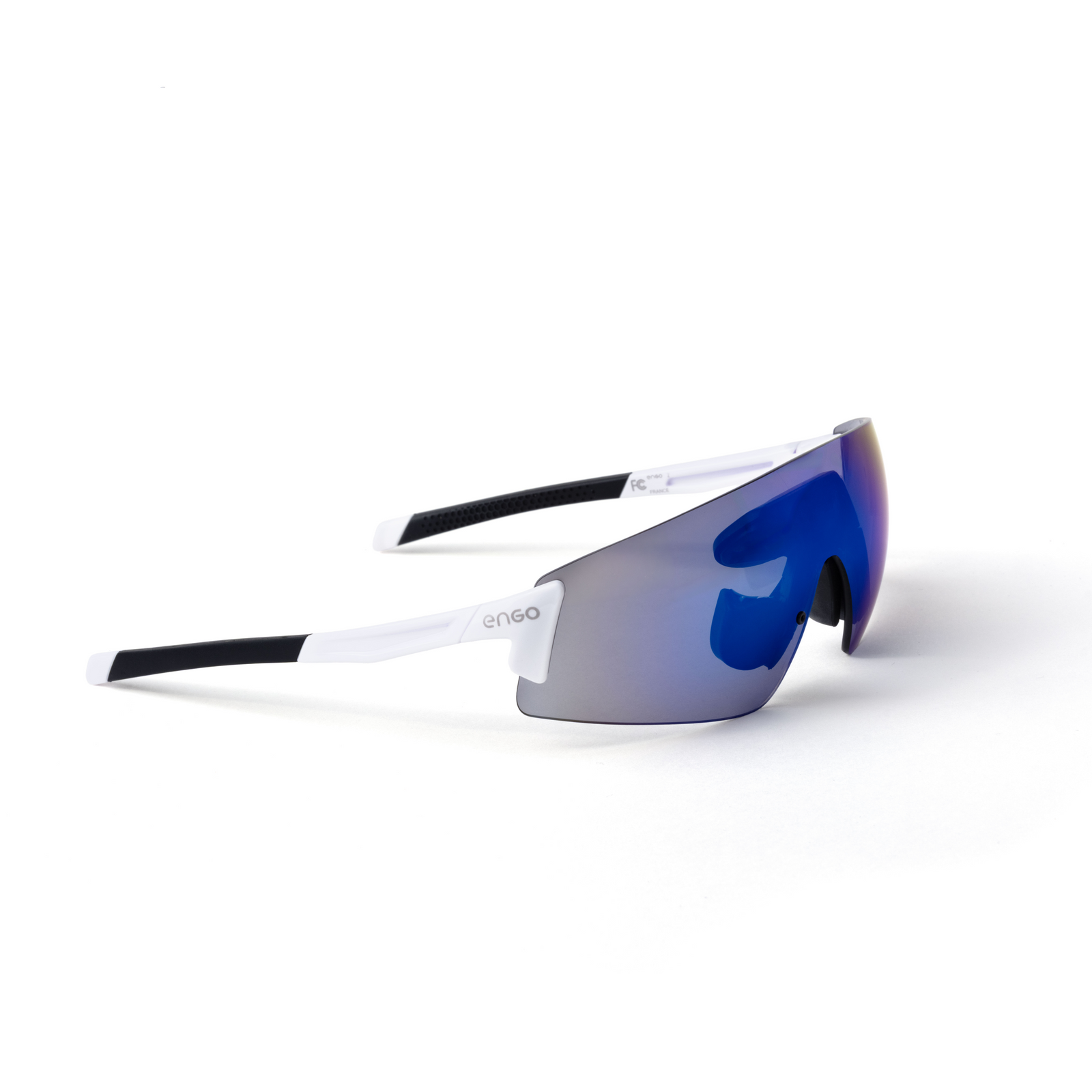
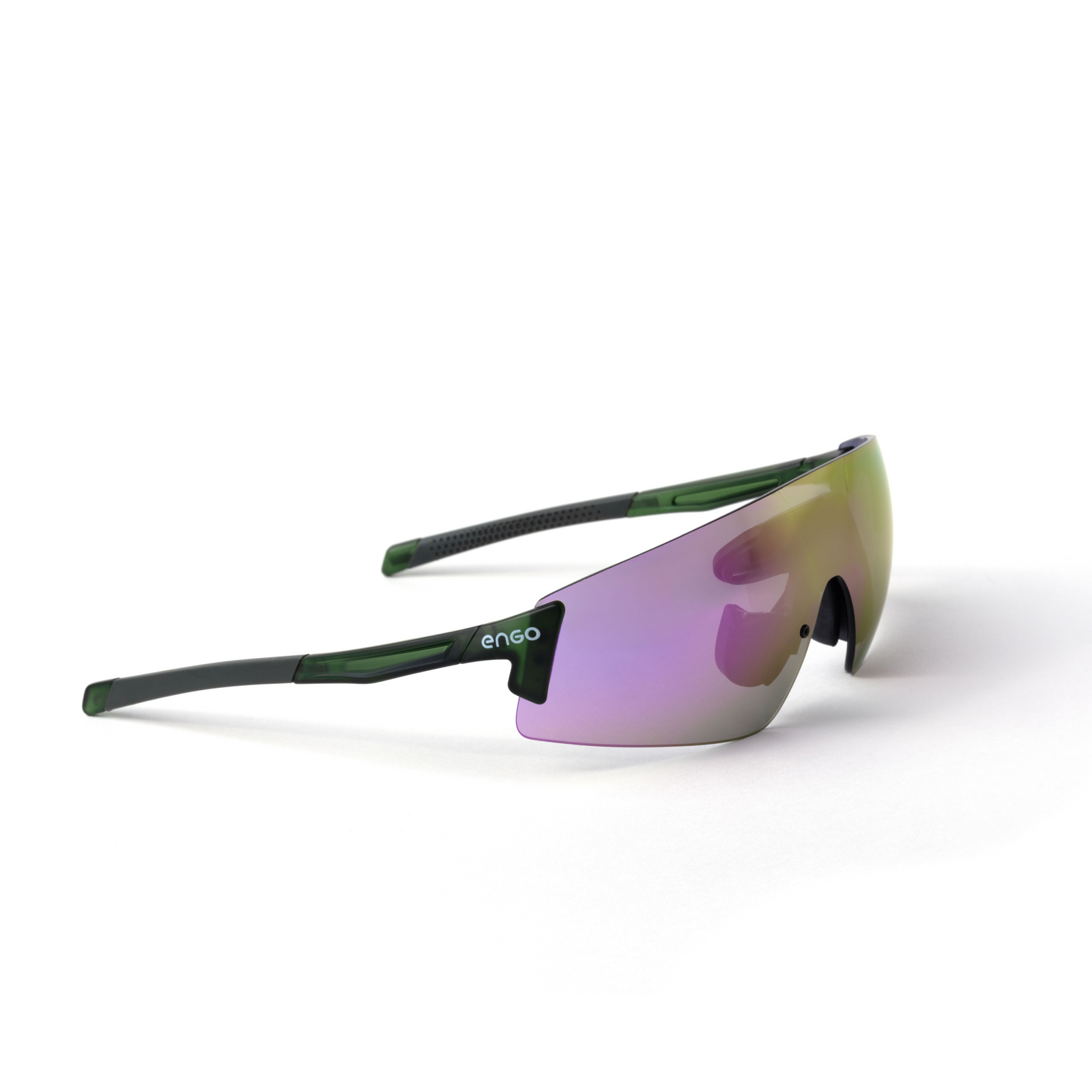
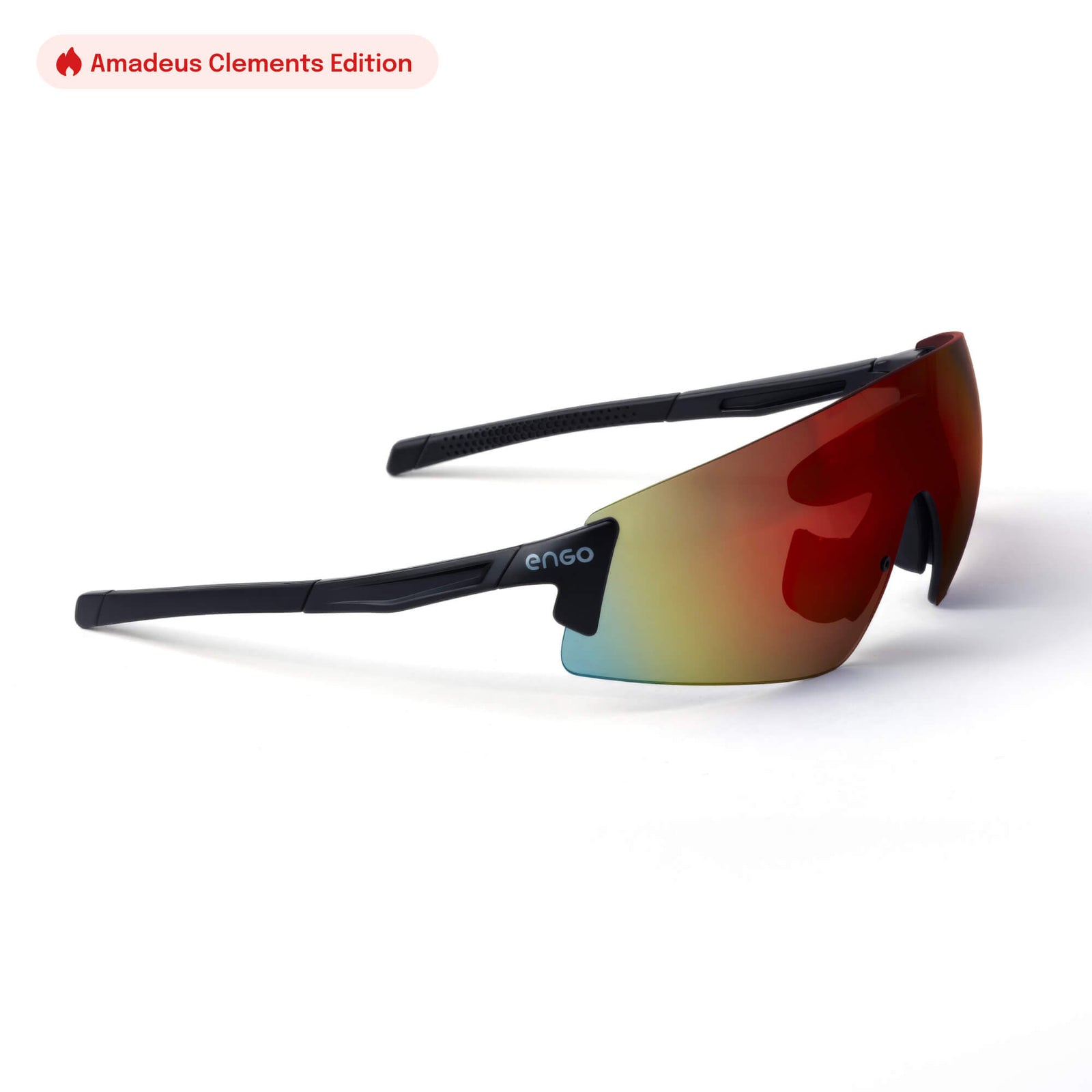
The engo3 uses fixed tinted lenses (category 3), perfect for very sunny conditions. The engo3 Photochromic features photochromic lenses that automatically adapt to light levels (cat. 0 to 3), making it ideal for changing light conditions.
Is engo3 compatible with Garmin?
Yes it is, with over 81+ models of Garmin devices, plus Apple Watch.
How is engo3 different from Meta Oakley Vanguard?
engo3 is a pure performance display built for serious runners and cyclists: a lightweight AR heads-up display (38.5g) that projects your stats (pace, heart rate, cadence, and more) right in your line of sight, with 20+ hours of battery life and no camera, music, or notifications to distract you.
The Oakley Meta Vanguard is a general-purpose smart glasses product with a built-in camera and Meta AI, giving you sport stats through voice commands or audio rather than a visual display, with about 9 hours of battery life. In short: engo3 keeps your eyes on the road and your data always visible, Vanguard is a multitasking device where sport is one feature among many.
How long does the engo3 battery last?
24+hours
Can I use engo3 for trail running or ultras?
Yes!
Does engo3 have a camera?
No, engo3 doesn't have a camera. It's built purely as a data display: no camera, no music, no notifications, just your real-time stats (pace, heart rate, cadence, etc.) projected in your field of view. That's a deliberate choice to keep it light (38.5g) and focused on performance rather than content capture.
What is the weight of engo3?
38.5 gr
Read more articles

Sardines: The Runner's Superfood Hiding in Your Pantry
Cheap, shelf-stable and packed with protein, omega-3s, vitamin D and calcium, sardines deserve a place in every runner's diet. Here is why, and easy ways to eat more of them.

The +11°C rule: how to actually dress for cold weather running
The science-backed rule that stops you from overdressing on cold mornings, plus a few field-tested hacks from the engo 6AM Club.
engo3 Titanium: built to disappear
500 frames. Aerospace-grade titanium, grown layer by layer, 28,9 grams total. Discover why we engineered engo3 Titanium, and why some objects are worth owning for a lifetime.

Compatible Devices
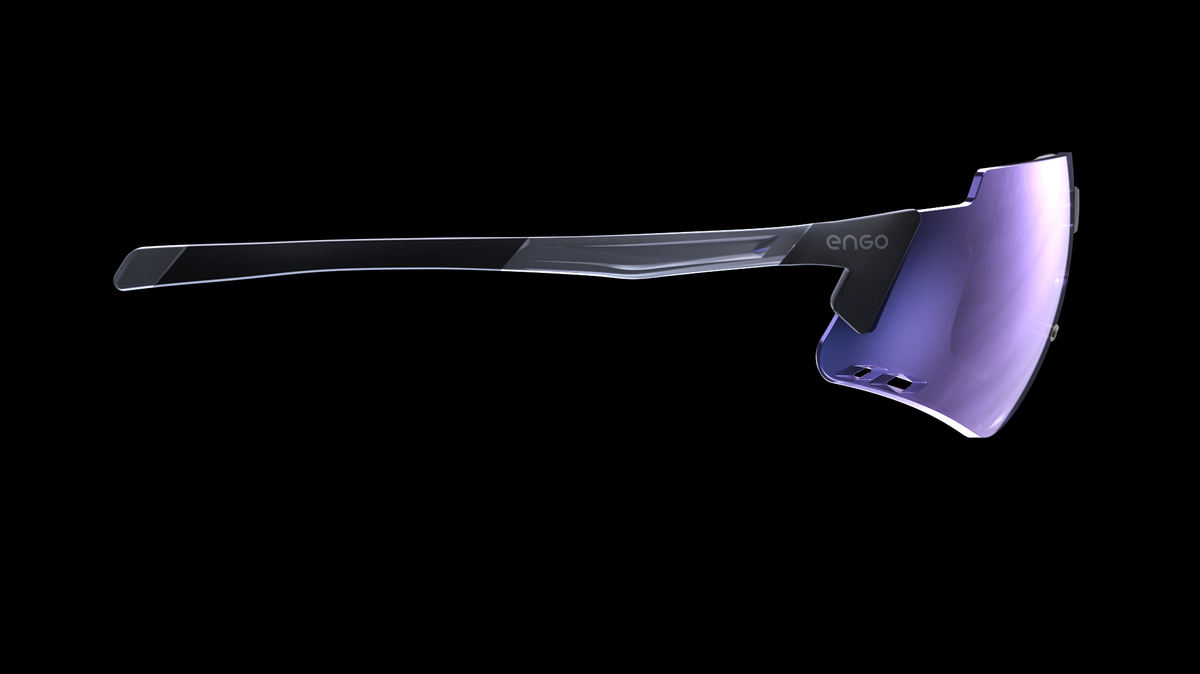
Works with most Garmin and Apple Watch. See the complete list of supported devices and third-party apps that work seamlessly with engo.
Check the compatibility of your device
Get Started in Minutes
Step-by-step instructions for pairing ENGO with your specific watch model. Clear, simple guidance to get you from unboxing to your first run in under 5 minutes.
Connect ENGO to your device
Returns
Train with engo for 30 days. If it doesn't transform your running, return it free with our prepaid label. Full refund, no questions asked, no restocking fees.
See Return Process
Questions? We're Here.
Browse our FAQ library, explore detailed setup guides, search our help database, or chat directly with our support team. Real help when you need it.
Visit Support Center