


Enfoque en TF1: Dentro de nuestra tecnología
Índice
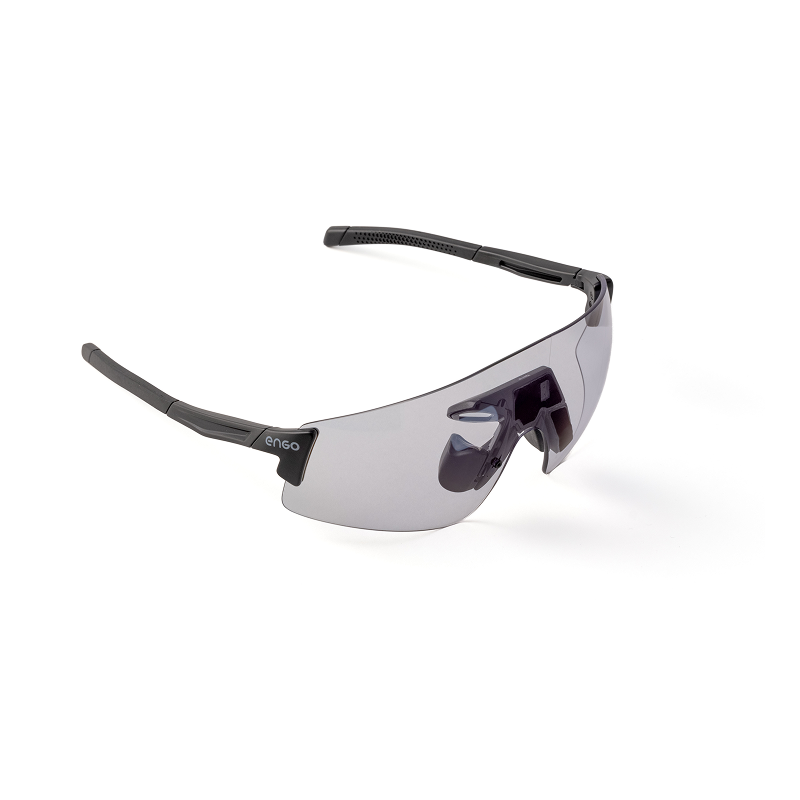
Este domingo por la mañana, TF1 vino a encontrarnos en Grenoble para descubrir el detrás de escena de engo y explorar nuestra tecnología de gafas inteligentes diseñada para atletas.
Como parte de un reportaje dedicado a la innovación francesa, el equipo de TF1 siguió nuestras gafas en acción y observó más de cerca cómo se desarrollan en nuestras instalaciones de Grenoble.

Corre sin apartar la vista de tus datos
El reportaje comienza en el terreno, durante una sesión de running.
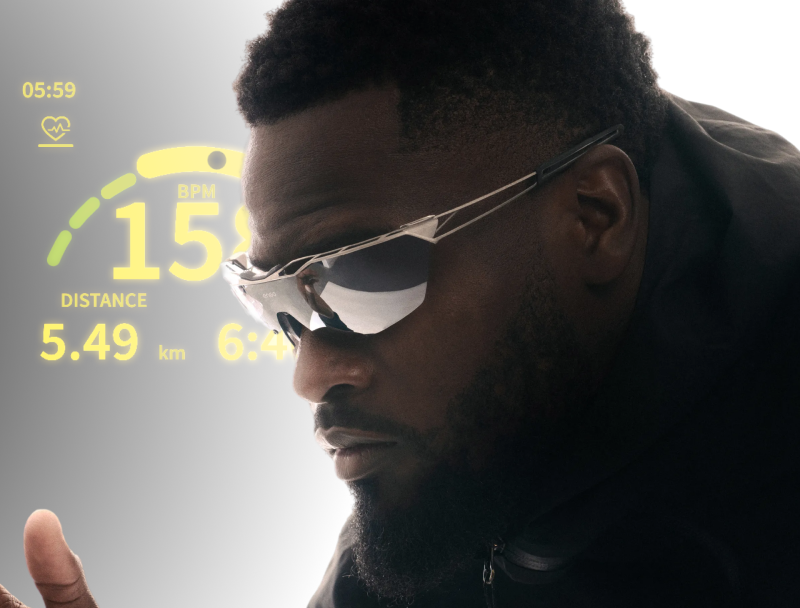
A través de nuestras gafas, Jean-Christophe puede ver su velocidad, frecuencia cardíaca y tiempo de carrera, gracias a los datos transmitidos desde su reloj.
“Todo lo que ves en el reloj se muestra en mis gafas.”
Normalmente, consultar esta información significa levantar la muñeca y mirar el reloj. Con engo, los datos son directamente accesibles en tu campo de visión.
Como señala Jean-Christophe durante su prueba, saber exactamente a qué ritmo estás corriendo también puede ser una gran fuente de motivación.
Tecnología desarrollada en Grenoble
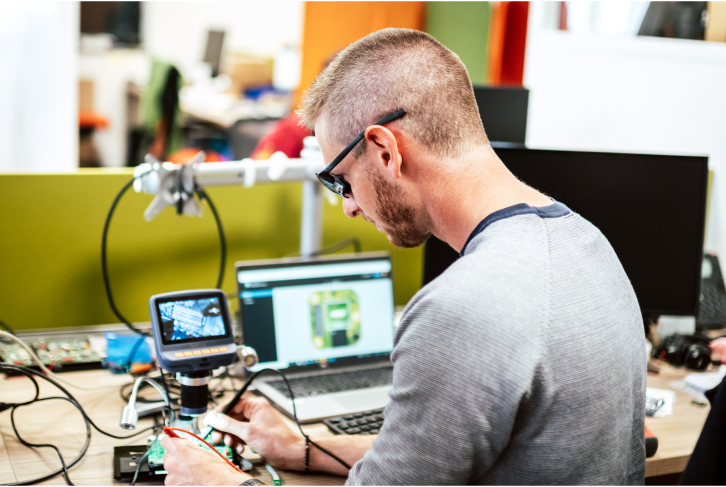
El reportaje se dirige luego a nuestras instalaciones en el corazón de Grenoble, donde nuestra tecnología cobra vida.
TF1 se reúne con uno de nuestros diseñadores, quien también utiliza las gafas durante sus propias sesiones de entrenamiento. Tras retomar el deporte hace un año y medio, ha observado notablemente una mejora en su frecuencia cardíaca.
En engo, el deporte es, por tanto, una parte integral tanto del desarrollo como del uso de nuestros productos.
37 gramos frente a 67: cuando el peso marca la diferencia
Para comprender mejor nuestro enfoque, TF1 se centró en un factor esencial: el peso.
El reportaje compara un par de gafas inteligentes estadounidenses que pesan 67 gramos con nuestras gafas de 37 gramos; una diferencia de 30 gramos.
Ya sea corriendo o en bicicleta, unos pocos gramos adicionales pueden notarse rápidamente. Como se explica en el reportaje, por encima de los 40 gramos, las gafas pueden volverse demasiado pesadas para ciertos deportes.
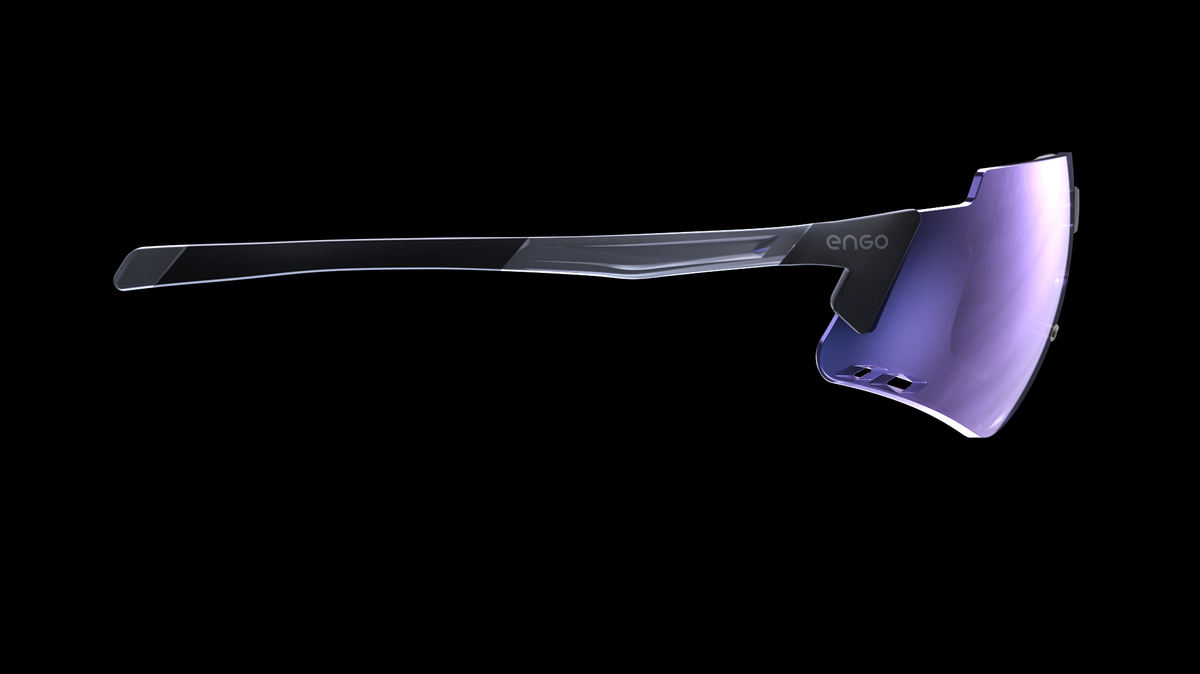
Este peso reducido es también el resultado de una elección deliberada: nuestras gafas no están diseñadas para grabar. Elegimos centrarnos en lo que importa a los atletas: mostrar los datos de rendimiento en tiempo real mientras mantenemos las gafas ligeras.
El reportaje también destaca su precio, de unos 350 € de media, lo que las sitúa por debajo de algunas de las gafas inteligentes de la competencia mostradas.

Detrás de escena de nuestras gafas
TF1 también entró en nuestra área de producción.
En una sala de atmósfera controlada diseñada para proteger los componentes ópticos, una parte esencial de nuestras gafas se ensambla con precisión.
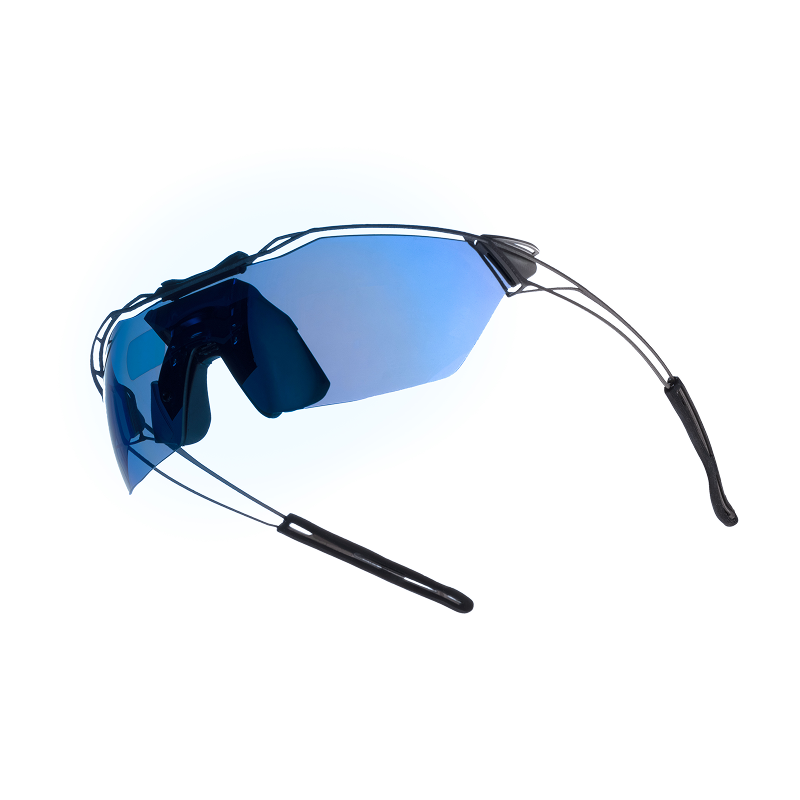
Nuestras lentes provienen de Italia y nuestras patillas de Asia, pero nuestra pantalla y proyector se diseñan y ensamblan aquí en Grenoble.
Esto es un motivo de verdadero orgullo para nuestro equipo, como explica Jérôme en el reportaje:
“¡Viva Francia! Hay un cierto orgullo, un cierto reconocimiento. Somos tan capaces como cualquiera.”
Una vez que el hardware está listo, nuestros equipos de desarrollo toman el relevo para integrar las aplicaciones necesarias para hacer funcionar nuestras gafas.
Del running al ciclismo… e incluso la vela
Nuestra tecnología no se limita al running.
En el reportaje, Eric también presenta una máscara diseñada para la navegación, que permite a los navegantes acceder a sus datos de rendimiento en tiempo real a bordo de barcos de regata.
Correr, ciclismo, vela: el terreno puede cambiar, pero nuestro objetivo sigue siendo el mismo: dar a los atletas acceso a sus datos durante su actividad sin apartar su atención de lo que tienen delante.
Hoy en día, vendemos alrededor de 10.000 gafas al año, con un equipo de solo 25 personas.
Y tenemos una ambición: seguir desarrollando esta tecnología y ayudar a aún más atletas de todo el mundo, independientemente de su deporte o terreno.
Gracias a TF1 por venir a Grenoble a conocer a nuestros equipos y descubrir qué sucede detrás de escena en engo.
Descubre engo3
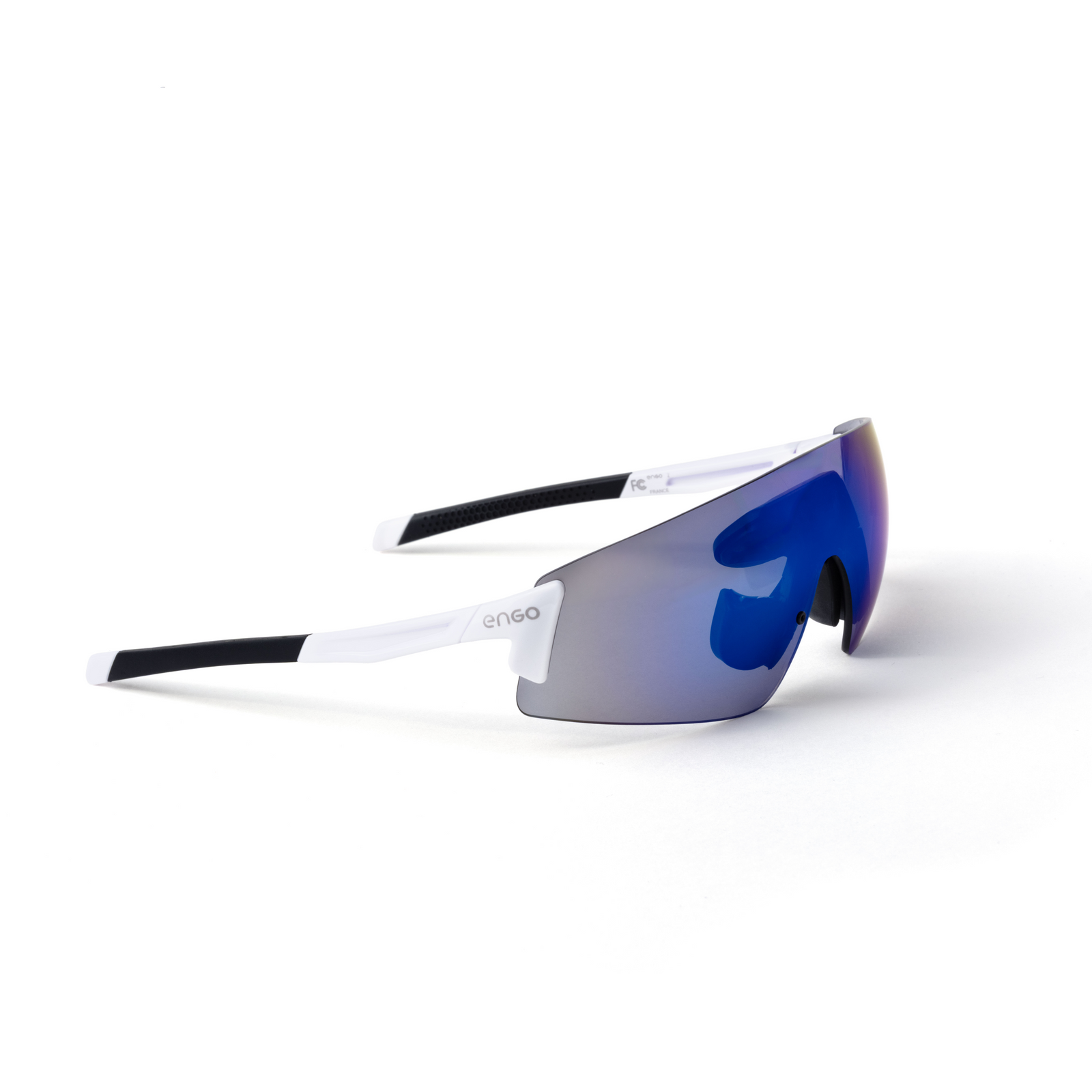
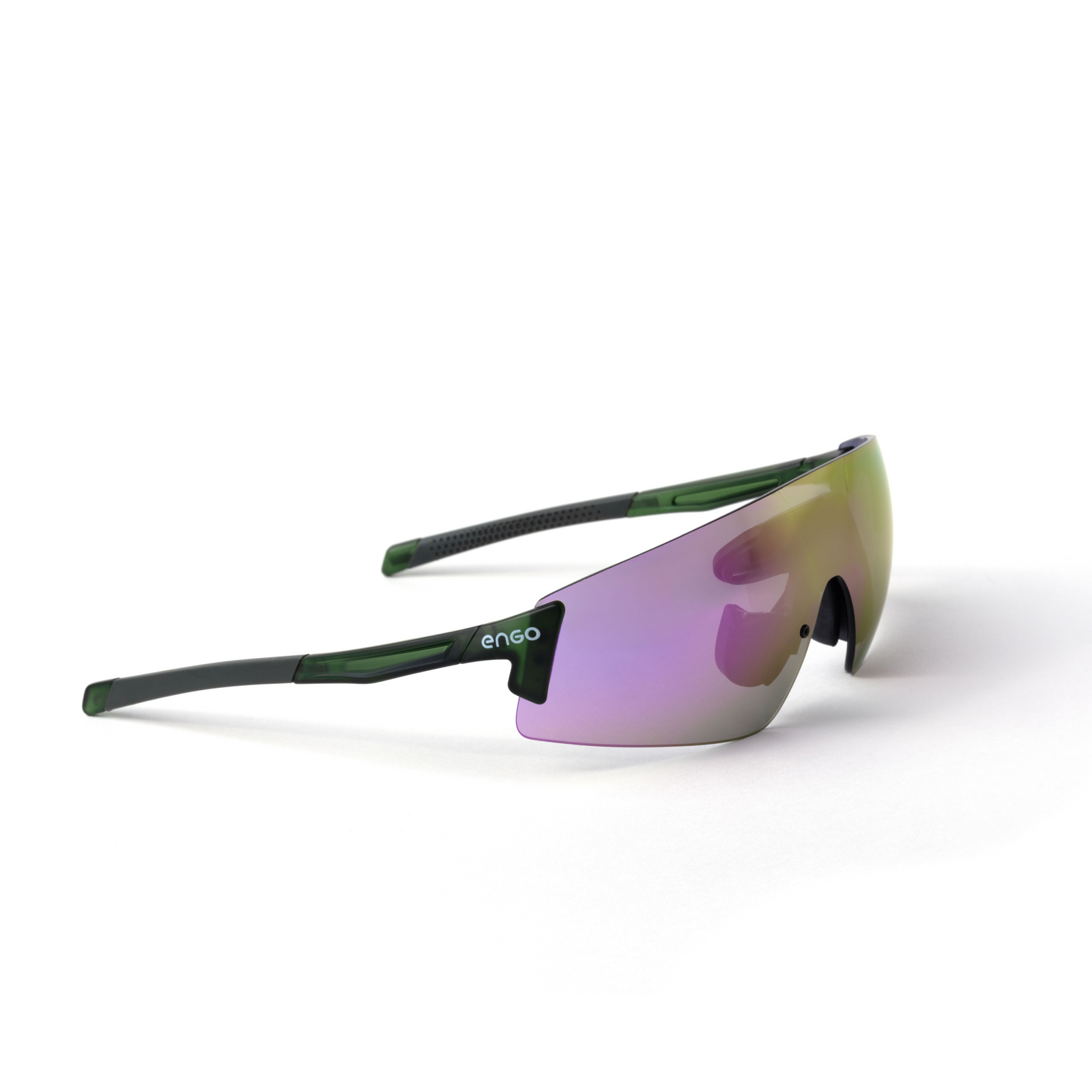
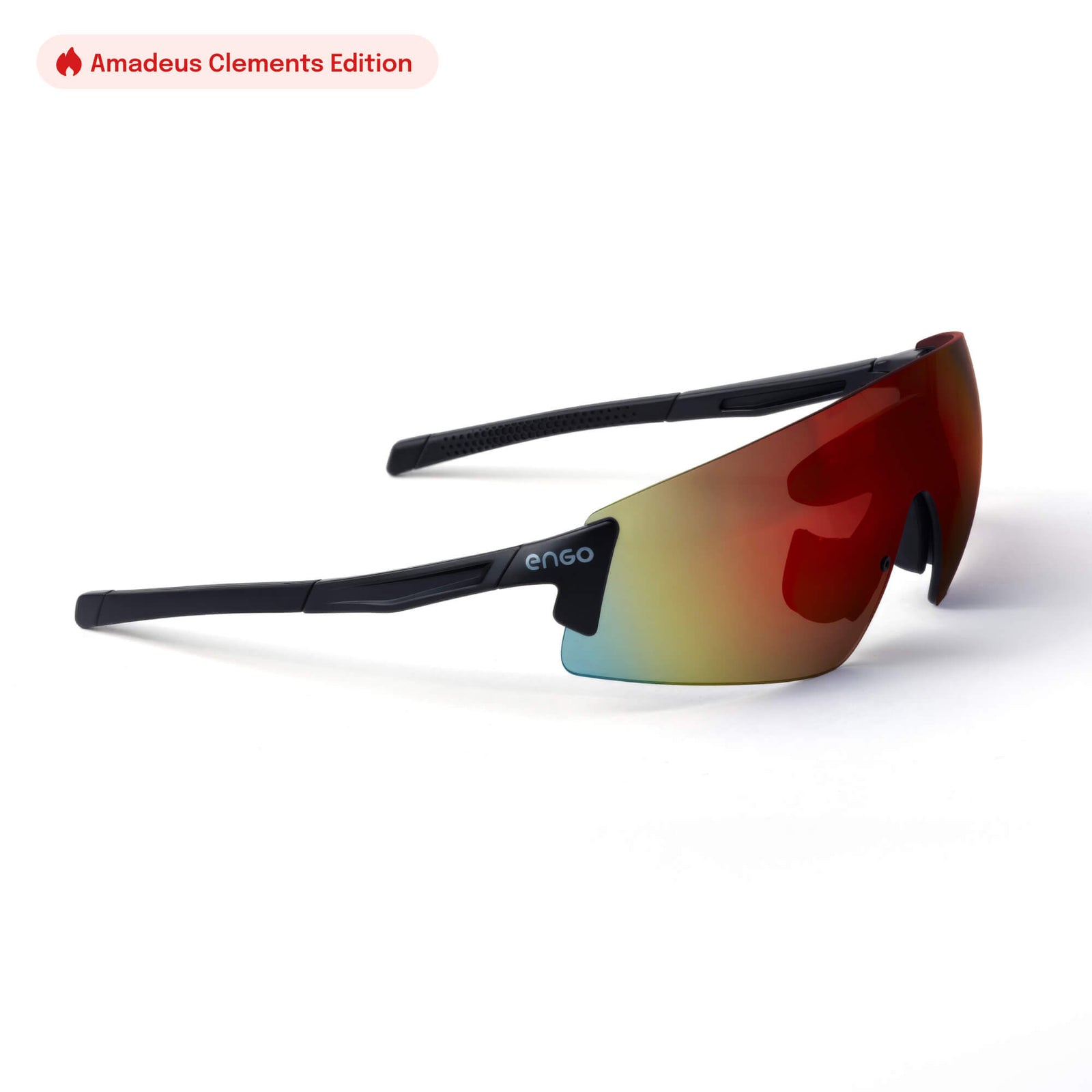
Todo lo que los corredores preguntan, respondido.
¿Realmente notaré la diferencia?
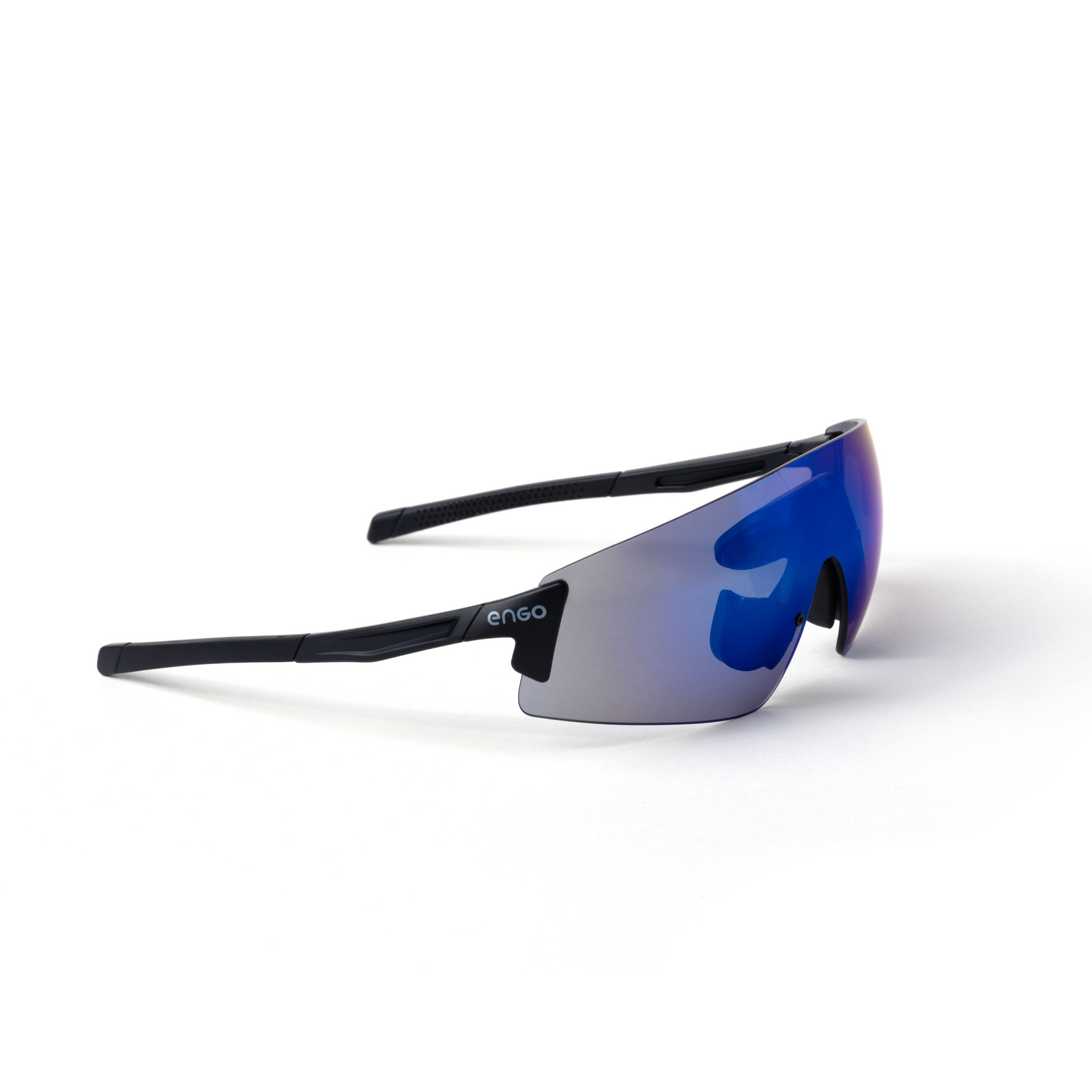
Las engo3 utilizan lentes tintadas fijas (categoría 3), perfectas para condiciones muy soleadas. Las engo3 Photochromic cuentan con lentes fotocromáticas que se adaptan automáticamente a los niveles de luz (cat. 0 a 3), lo que las hace ideales para condiciones de luz cambiantes.
¿Es engo3 compatible con Garmin?
Sí, lo es, con más de 81 modelos de dispositivos Garmin, además del Apple Watch.
¿En qué se diferencia engo3 de Meta Oakley Vanguard?
engo3 es una pantalla de alto rendimiento diseñada para corredores y ciclistas serios: una pantalla de visualización frontal (HUD) de realidad aumentada ligera (38,5 g) que proyecta tus estadísticas (ritmo, frecuencia cardíaca, cadencia y más) directamente en tu campo de visión, con más de 20 horas de duración de batería y sin cámara, música ni notificaciones que te distraigan.
Las Oakley Meta Vanguard son unas gafas inteligentes de uso general con cámara integrada y Meta AI, que te ofrecen estadísticas deportivas a través de comandos de voz o audio en lugar de una pantalla visual, con unas 9 horas de duración de batería. En resumen: engo3 mantiene tus ojos en la carretera y tus datos siempre visibles, mientras que Vanguard es un dispositivo multitarea donde el deporte es una característica más entre muchas.
¿Cuánto dura la batería del engo3?
Más de 24 horas
¿Puedo usar engo3 para trail running o carreras de ultra distancia?
¡Sí!
¿Tiene cámara el engo3?
No, engo3 no tiene cámara. Está diseñado exclusivamente como una pantalla de datos: sin cámara, sin música, sin notificaciones, solo tus estadísticas en tiempo real (ritmo, frecuencia cardíaca, cadencia, etc.) proyectadas en tu campo de visión. Es una elección deliberada para mantenerlo ligero (38,5 g) y centrado en el rendimiento en lugar de en la captura de contenido.
¿Cuál es el peso de engo3?
38,5 g
Leer más artículos

Sardines: The Runner's Superfood Hiding in Your Pantry
Cheap, shelf-stable and packed with protein, omega-3s, vitamin D and calcium, sardines deserve a place in every runner's diet. Here is why, and easy ways to eat more of them.

La regla de los +11 °C: cómo vestirte de verdad para correr con frío
La regla respaldada por la ciencia que evita que te abrigues demasiado en las mañanas frías, además de algunos trucos probados sobre el terreno del engo 6AM Club.
engo3 Titanium: hecho para desaparecer
300 monturas. Titanium de grado aeroespacial, crecido capa a capa, 28,9 gramos en total. Descubre por qué diseñamos engo3 Titanium, y por qué algunos objetos merecen poseerse toda una vida.

Dispositivos compatibles
Funciona con la mayoría de los relojes Garmin y Apple. Consulta la lista completa de dispositivos compatibles y aplicaciones de terceros que funcionan a la perfección con engo.
Comprueba la compatibilidad de tu dispositivo
Comience en minutos
Instrucciones paso a paso para vincular ENGO con su modelo de reloj específico. Una guía clara y sencilla para pasar del desempaquetado a su primera carrera en menos de 5 minutos.
Conecta ENGO a tu dispositivo
Devoluciones
Entrena con engo durante 30 días. Si no transforma tu forma de correr, devuélvelo gratis con nuestra etiqueta prepagada. Reembolso completo, sin preguntas y sin gastos de reposición.
Ver proceso de devolución
¿Tienes preguntas? Estamos aquí para ayudarte.
Explore nuestra biblioteca de preguntas frecuentes, consulte nuestras guías de configuración detalladas, busque en nuestra base de datos de ayuda o chatee directamente con nuestro equipo de soporte. Ayuda real cuando la necesita.
Visitar el Centro de soporte