

New York is not a flat city marathon. It is five boroughs, five bridges and two million people on the sidewalks. The course rewards runners who know where the hard parts are before they get there.
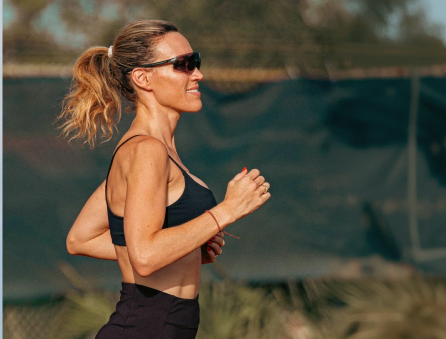
That is one of the lessons our ambassador Vicky took from her first marathon in Paris. She still remembers a quiet section with fewer spectators and a dark tunnel that was hard to get through.
Her advice now: know where the tough parts are, so you can prepare for them.

Here is the course, section by section, and how to run each one.
Miles 0 to 2: the Verrazzano
The race starts on Staten Island and goes straight up the Verrazzano-Narrows Bridge. It is the longest climb of the day, and it comes when your legs feel fresh and the adrenaline is high.
That is the trap. Everyone around you surges. Your heart rate climbs faster than your pace suggests.
How to run it: treat the first two miles as a warm-up. Hold back on the way up, let gravity do the work on the way down, and ignore the runners flying past you. Vicky's rule applies from the first step: "It's a competition with your last version." Not with the person next to you.
Miles 2 to 13: Brooklyn
Brooklyn is long, loud and mostly flat. Fourth Avenue goes on for miles, and the crowd is three deep in places. It feels easy. It is supposed to feel easy.
How to run it: settle into your goal effort and stay there. This is where fueling starts. Take your first gel in the first 30 to 45 minutes, then stick to your schedule. By the time you feel empty, it is too late to catch up.
Miles 13 to 16: the Pulaski and the Queensboro
You cross the halfway mark on the Pulaski Bridge into Queens. A short climb, then a few blocks of noise.
Then comes the Queensboro Bridge, around mile 15. No spectators are allowed on it. After two hours of cheering, the silence is sudden. All you hear is breathing and footsteps on a long, steady climb.
Many runners say this is where the race really begins. It is the New York version of Vicky's dark tunnel in Paris.
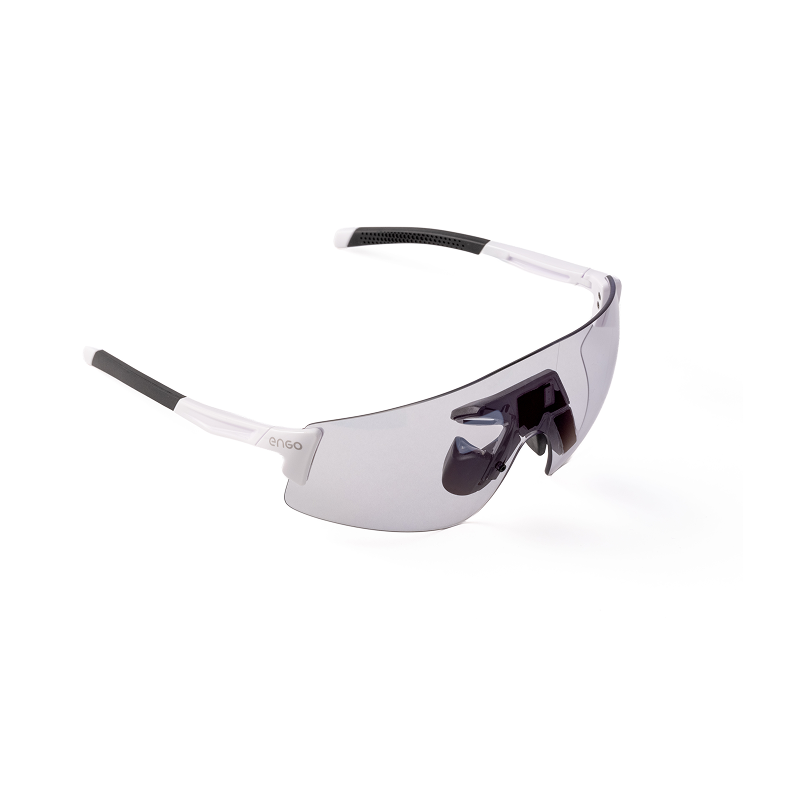
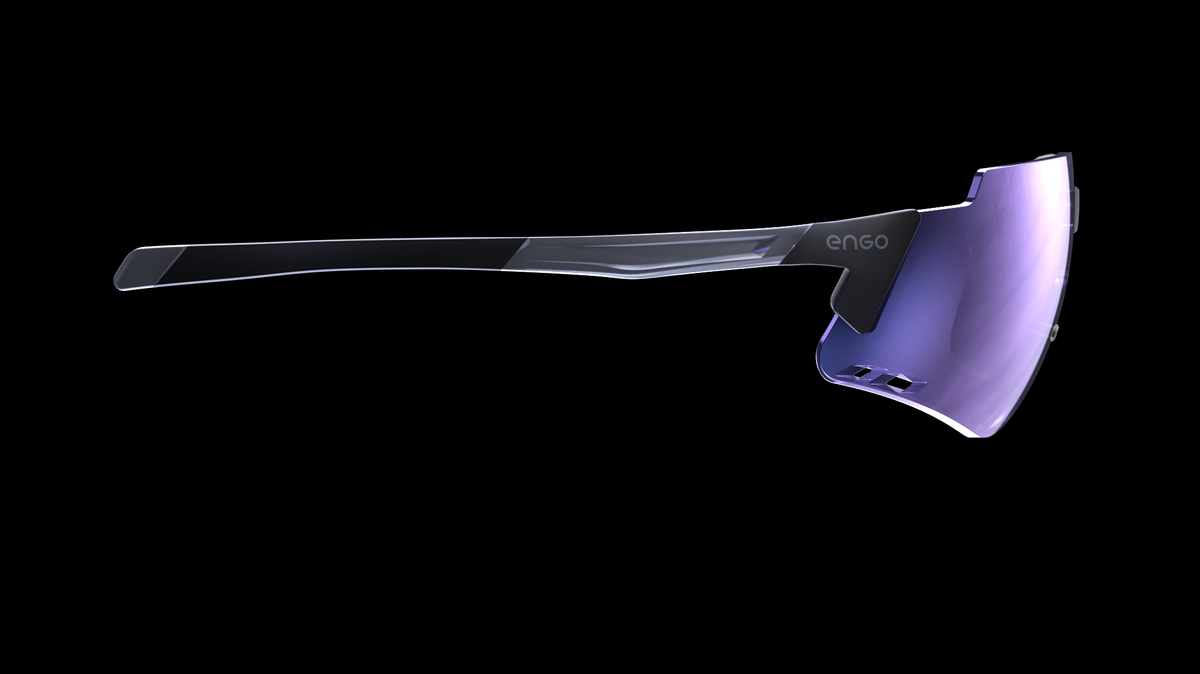
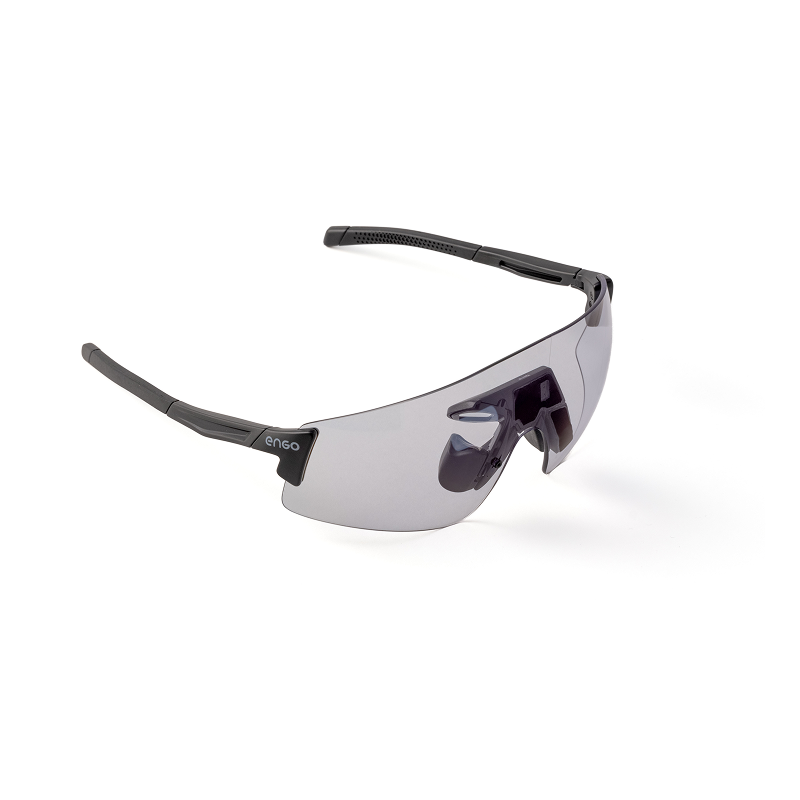
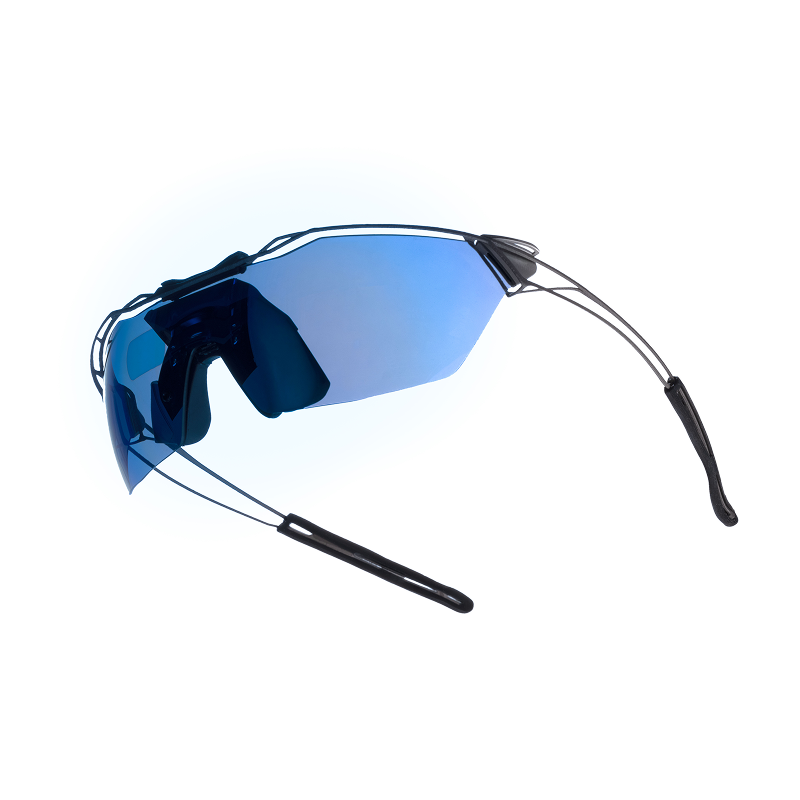
How to run it: run the climb by effort, not by pace. Your pace will drop. That is fine. Watch your heart rate instead and keep it where your plan says. With engo, your heart rate sits in your field of view, so you adjust without breaking posture to check your wrist. Over a climb like this, those small glances add up.
Miles 16 to 20: First Avenue
You come off the Queensboro into Manhattan, and First Avenue hits you like a wall of sound. It is wide, straight and packed with people.
The danger here is the opposite of the bridge. The crowd lifts you, and it is easy to run a mile 30 seconds too fast.
How to run it: enjoy it, and keep your pace honest. Vicky calls spectators "real fuel." Take that energy, but do not spend it all at once. If someone is cheering for you, tell them to stand here.
Miles 20 to 21: the Bronx
The Willis Avenue Bridge takes you into the Bronx around mile 20. Then the Madison Avenue Bridge brings you back into Manhattan a mile later. That is bridges four and five.
Mile 20 is also where most runners meet the wall. Legs get heavy, and your head starts to negotiate: slow down, walk, stop.
How to run it: this is where your emergency plan matters. Before race day, answer three questions. If my pace drops, what is my first adjustment? Will I walk an aid station to regroup? What is my why in five words or fewer? Write that last one somewhere you will see it. On your wrist, on the back of your bib. "Because I said I would" works as well as anything.
Miles 21 to 26.2: Fifth Avenue and Central Park
Here is the part nobody tells first-timers about. Fifth Avenue climbs gently but steadily from around mile 23, just when your legs have the least left. Then you enter Central Park, with its rolling hills, before a short stretch on Central Park South and the final turn back into the park to the finish.
How to run it: break it into pieces. Get to the park. Get to the next mile marker. Get to Columbus Circle. Tracking distance in small chunks makes the final stretch manageable. Keep taking your fuel, even when you do not want it.

Three things to take into race day
- Don't try to bank time. A patient first half is the best protection against the wall. Vicky did not hit it in her first marathon, and she thinks it is because she started very easy and enjoyed herself.
- Run the bridges by heart rate. Pace lies on climbs. Effort does not.
- Know your quiet sections. The Queensboro and the Bronx are where your own head gets loud. Have one phrase ready for each.
Study the map this week
Print the course map. Mark the five bridges, the Fifth Avenue climb and the hills in Central Park. Next to each, write one action: slow down, check heart rate, take a gel, repeat your phrase.
When you get there on race day, you will not be discovering the course. You will be running a plan.
This article is part of Road to New York, our series following Vicky's preparation for the NYC Marathon.